Nissan is strategically redefining its approach to transmission technology, opting to retain Continuously Variable Transmissions (CVTs) for its compact and lighter-duty vehicles while transitioning larger and performance-focused models to conventional automatic transmissions. This refined strategy comes after the company addressed past performance issues associated with CVTs in certain vehicle segments. CEO Ivan Espinosa emphasized that this move aims to optimize efficiency and driving dynamics across Nissan's diverse product range, ensuring that each vehicle is equipped with the most suitable transmission system for its specific application.
For years, Nissan's use of Continuously Variable Transmissions (CVTs) has been a subject of extensive discussion, leading to a class-action settlement in 2025 that provided compensation and extended warranties to owners of Maxima and Murano models. Despite these challenges, the automaker is not entirely abandoning CVTs. Ivan Espinosa, Nissan's Chief Executive Officer, articulated the company's position from its headquarters in Yokohama, Japan, stating that CVTs still hold significant value, particularly for smaller, less demanding vehicles. He highlighted the continuous advancements made in CVT technology, asserting its suitability for light-duty cars, specifically those up to the C-segment, where its efficiency benefits are most pronounced.
However, Espinosa also candidly acknowledged the inherent limitations of CVTs, particularly when applied to heavier vehicles. He indicated that for these larger platforms, CVTs are 'probably not ideal,' which has prompted Nissan to adopt conventional automatic transmissions for its E-segment vehicles. This strategic shift is already evident in newer iterations of models like the Murano and Pathfinder, which have been upgraded from CVTs to more sophisticated nine-speed automatic transmissions. This trend is anticipated to extend to future models, including the forthcoming Xterra, reflecting a broader commitment to enhancing the driving experience and reliability in Nissan's heavier vehicle lineup.
Regarding high-performance vehicles, Nissan's stance is unequivocal: CVTs will not be integrated into models designed for sporty driving. Espinosa firmly declared, 'I'm not gonna put a CVT in a Skyline.' He further elaborated on this philosophy, suggesting that if the goal is to produce an accessible sports car, the company would rather develop a dedicated model like a 'real affordable sports car' such as a Silvia, rather than attempting to imbue a standard sedan with performance characteristics through a CVT, humorously referencing a 'Spicy Sentra.' This statement underscores Nissan's commitment to delivering authentic driving experiences for its performance segment, prioritizing traditional transmission systems that align with the expectations of enthusiasts.
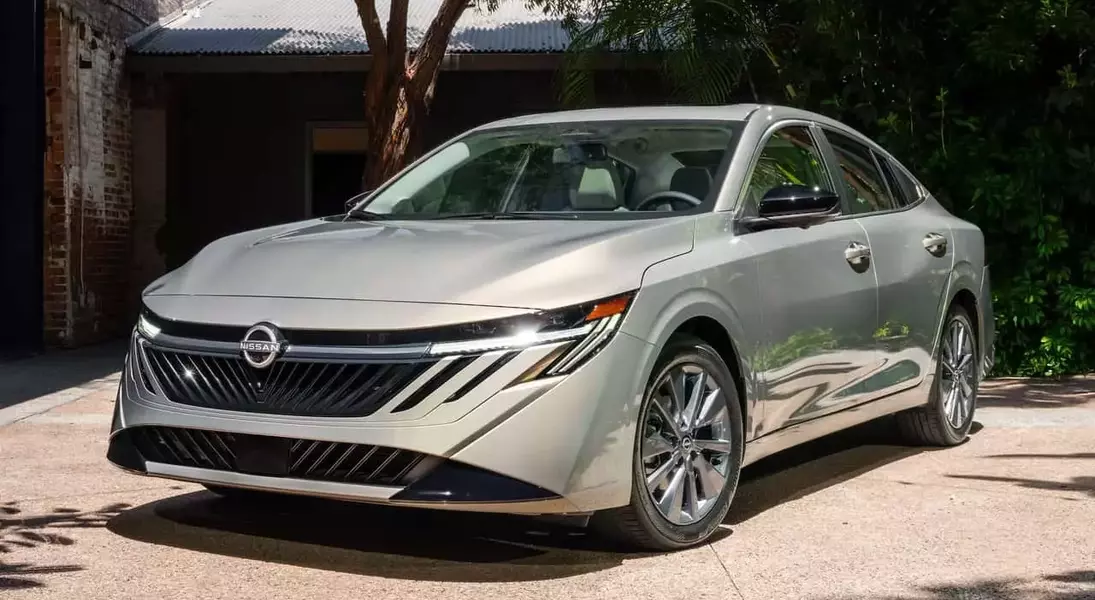
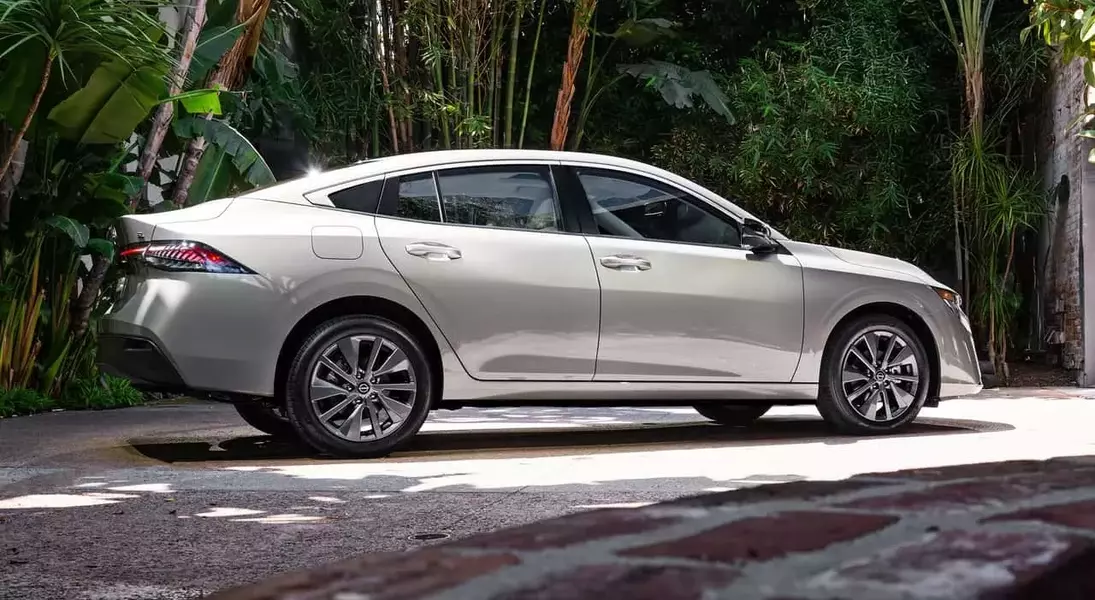
This strategic redirection by Nissan represents a significant evolution in its powertrain philosophy. While CVTs will continue to play a role in optimizing fuel efficiency and cost-effectiveness for smaller, entry-level models like the Kicks and Sentra, the company is clearly moving towards conventional automatic transmissions for its larger SUVs and performance vehicles. This dual-pronged approach reflects a nuanced understanding of consumer needs and engineering demands, aiming to leverage the strengths of each transmission type where they are most effective. This decision will likely be well-received by those who have historically criticized CVTs in more demanding applications, signaling a responsive and adaptive strategy from the automotive giant.
