Jaguar Land Rover has announced a significant recall impacting over 170,000 vehicles worldwide. This action is necessitated by a critical defect within the 48-volt hybrid system's DC-DC converter, which poses a serious safety risk by potentially causing a sudden loss of motive power and exterior illumination. The extensive recall encompasses numerous popular models from both the Jaguar and Land Rover brands, underscoring the broad scope of the problem. While no accidents or injuries have been reported, the potential for dangerous situations on the road is clear, prompting the manufacturer to take immediate steps to address the issue. The company is actively working on a solution to rectify the faulty components and ensure the safety and reliability of its vehicles.
The affected vehicles span several model years and include a diverse range of SUVs, all equipped with the mild-hybrid system at the heart of the problem. This recall highlights the complexities inherent in modern vehicle technologies and the importance of robust quality control. The malfunction can manifest as a dashboard warning and, if left unaddressed, could compromise the vehicle's operational capabilities, leading to a complete cessation of power. Jaguar Land Rover's proactive communication with regulatory bodies and affected owners is crucial in managing this large-scale safety campaign. The development of an effective and timely remedy remains a top priority to mitigate risks and restore customer confidence.
Extensive Recall for Power and Lighting Issues
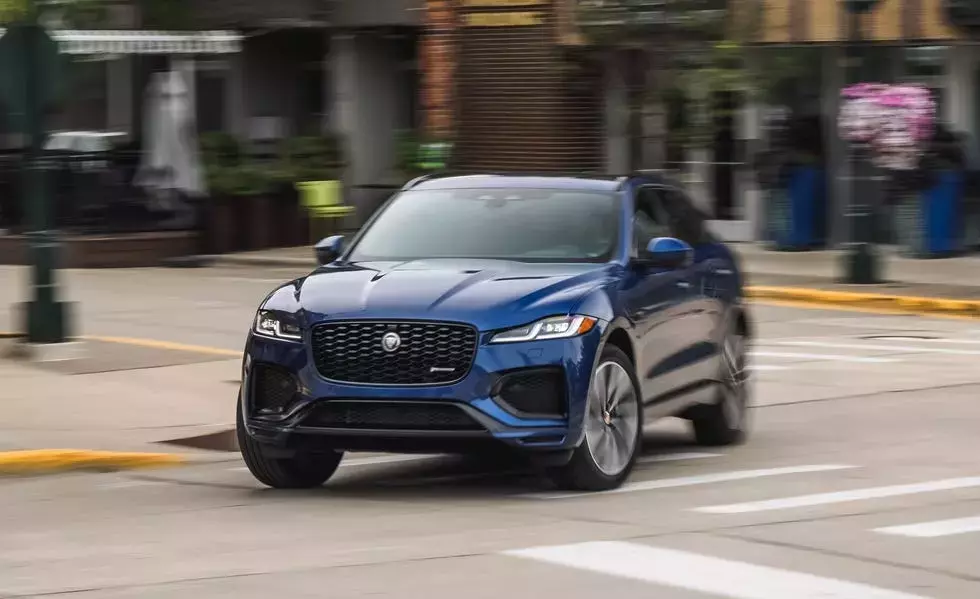
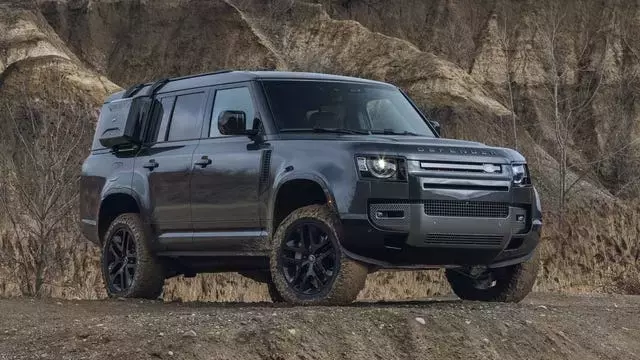
Jaguar Land Rover has initiated a recall for 170,169 vehicles globally due to a defect in the 48-volt hybrid system's DC-DC converter. This critical issue could lead to a loss of drive power and exterior lighting, significantly increasing the risk of a crash. The affected models include a broad spectrum of vehicles from both brands, specifically the 2021–2022 Jaguar E-Pace, 2021–2024 F-Pace, 2020–2024 Land Rover Defender, 2021–2024 Discovery, 2020 Discovery Sport, 2020–2024 Range Rover, 2020–2023 Range Rover Evoque, 2019–2024 Range Rover Sport, and 2021–2024 Range Rover Velar. All recalled vehicles share the commonality of being equipped with a mild-hybrid system, pointing to a systemic fault within this particular technology.
The root cause of the recall lies in the hybrid system's DC-DC converter, which, according to National Highway Traffic Safety Administration (NHTSA) documents, can fail due to an internal flaw in its boost control microchip. This malfunction disrupts the charging of the 12-volt system, leading to a "Stop Safely, Electrical Fault Detected" warning on the dashboard. Should the vehicle continue to be operated after this warning appears, it could result in a complete loss of drive power and a failure of all exterior lights. Such a scenario presents a substantial safety hazard, particularly at night or in adverse weather conditions. JLR reported nearly 6,000 claims related to converter replacements between 2019 and 2026, though thankfully, no accidents or injuries have been reported in connection with this specific defect.
Manufacturer's Response and Future Actions
In response to the identified fault, Jaguar Land Rover is diligently working to develop a permanent solution for the defective DC-DC converters. The company is committed to ensuring the safety of its customers and is prioritizing the creation of an effective repair. While a definitive timeline for the remedy is not yet available, JLR has outlined its communication plan for affected parties. Interim notification letters are scheduled to be dispatched to dealerships by May 1, followed by notifications to vehicle owners on June 12. These initial communications will inform owners of the recall and advise them on what to expect as the company progresses towards a resolution. The absence of reported accidents or injuries related to this issue provides a small measure of relief, but the potential for serious consequences underscores the urgency of the situation.
The ongoing development of a fix for the faulty converters is a complex process, requiring thorough engineering and testing to ensure its efficacy and long-term reliability. JLR's commitment to addressing this issue underscores the automotive industry's dedication to safety and consumer protection. Owners of the affected Jaguar and Land Rover models are encouraged to pay close attention to future communications from the manufacturer and their dealerships. Prompt action upon receiving remedy notification letters will be crucial in mitigating any potential risks associated with the DC-DC converter defect. The company's transparency in reporting the issue to NHTSA and its structured approach to the recall process aim to reassure customers and maintain confidence in their brands.
