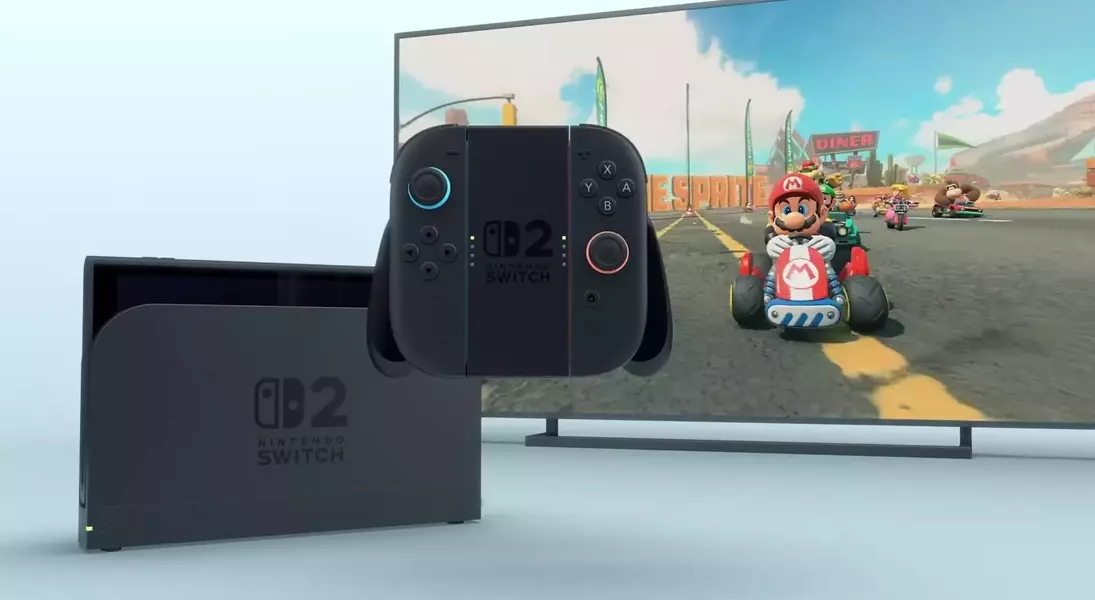

Nintendo is gearing up to introduce a modified version of its Switch 2 console in the European Union, which will empower users to independently replace the device's battery. This development, confirmed by reports from Nikkei, is a direct response to the EU's evolving 'right to repair' legislation. The initiative is poised to set a precedent for other handheld gaming manufacturers, nudging them towards greater consumer-friendly repair options.
Nintendo's Strategic Move Towards Enhanced Repairability in the EU
In a significant shift, Nintendo will launch a new iteration of its Switch 2 console within the European Union, featuring easily replaceable batteries for both the main unit and its Joy-Con controllers. This decision directly addresses the EU's forthcoming regulations, which aim to bolster consumers' ability to repair their electronic devices. Unlike the initial launch model, which drew criticism from iFixIt for its glued-in battery, this updated design will enable users to perform battery replacements without specialized tools or professional assistance. While the original, less repairable version will continue to be sold in regions like Japan, Nintendo's move signals a proactive approach to compliance with EU directives. These regulations, effective from February 2027, mandate that portable batteries be designed for easy removal, replacement, and recycling. Furthermore, the EU's 'right to repair' legislation, strengthened in 2024, seeks to curtail premature disposal of functional goods by facilitating affordable repair services from a wider array of providers. This aligns with a broader industry trend, exemplified by Apple's recent improvements in iPhone repairability, suggesting a growing global emphasis on consumer repair rights and sustainability.
This initiative by Nintendo to integrate user-replaceable batteries into the Switch 2 for the EU market represents a pivotal moment in the electronics industry. It not only demonstrates a commitment to complying with evolving consumer protection and environmental regulations but also highlights the potential for these legislative changes to drive innovation in product design. As other regions consider similar 'right to repair' laws, Nintendo's adaptation could serve as a blueprint, fostering a more sustainable and consumer-empowering future for handheld gaming and electronics at large.
