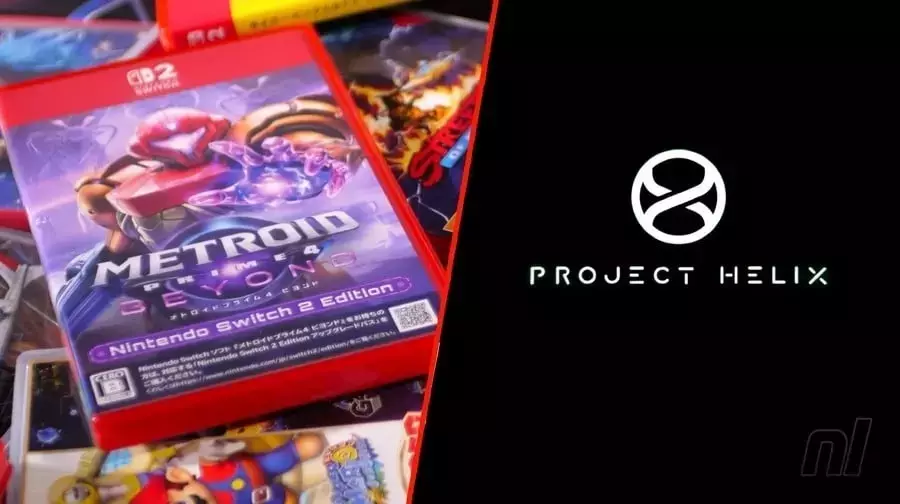
The video game industry is currently undergoing a significant transformation regarding physical game distribution. Following Sony's recent announcement to cease physical disc offerings for the PlayStation 5 by January 2028, and reports suggesting Xbox's upcoming 'Project Helix' console will forgo a disc drive entirely, the landscape for traditional game ownership is rapidly changing. Microsoft is also reportedly exploring options to convert existing physical Xbox One and Xbox Series games into digital formats, further signaling a widespread move towards digital-only ecosystems.
In this evolving environment, Nintendo emerges as a critical player, potentially becoming the last major console manufacturer to champion physical game releases. While some third-party publishers on Nintendo platforms have adopted 'Game-Key Cards'—essentially digital download codes sold in physical packaging—many others, along with Nintendo's first-party titles (excluding a specific instance like Pokémon Pokopia), continue to embrace proper cartridges. This dedication to physical media presents Nintendo with a unique opportunity to distinguish itself and cater to a segment of the market that values tangible game ownership, differentiating it from its competitors. Furthermore, the cost savings realized by other publishers by abandoning physical media could, hypothetically, be redirected towards supporting physical cartridge production for Nintendo's future systems like the Switch 2, though this remains speculative.
Despite the industry's digital trend, Nintendo's latest financial figures indicate that digital sales accounted for 67.2% of its game sales in Q4 FY2026. While substantial, this percentage suggests that a significant portion of its consumer base still prefers physical copies. This ongoing demand for physical games could reinforce Nintendo's strategy, demonstrating that the market for tangible game media is far from obsolete. The future of physical games may appear uncertain, but Nintendo's potential to uphold this tradition offers a glimmer of hope for enthusiasts and collectors alike.
As the gaming landscape continues to evolve, Nintendo's steadfast commitment to physical media not only distinguishes it from competitors but also reinforces the importance of preserving diverse consumption choices for players. This dedication ensures that the joy of collecting, owning, and interacting with physical game cartridges remains a vibrant part of the gaming experience, fostering a more inclusive and resilient industry for all.
