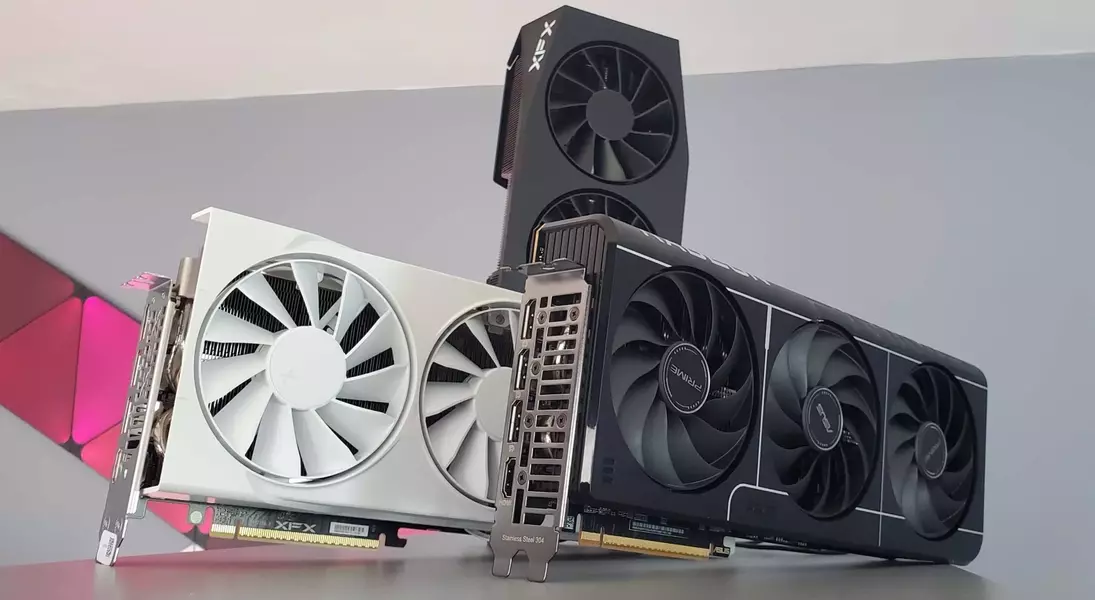
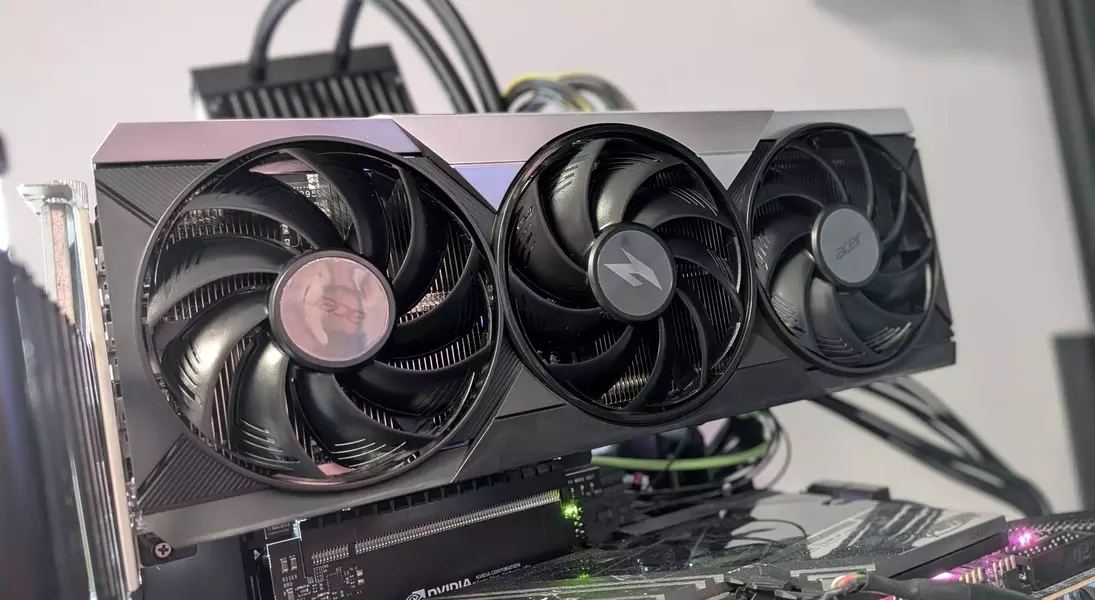
Reports indicate that AMD plans to raise the cost of its graphics processing unit (GPU) and video random access memory (VRAM) bundles by approximately 10% for its manufacturing partners, including companies like Sapphire, Asus, and XFX. This anticipated increase, slated for July, suggests that consumers might soon face higher prices for graphics cards, even though many of AMD's recent GPU releases already surpassed their suggested retail prices upon launch. The information, originating from Board Channels, a prominent forum for industry communication, is considered credible despite the absence of an official confirmation from AMD. This development is attributed to the ongoing global memory chip shortage, which has significantly impacted the PC hardware market, making components more expensive.
Historically, both AMD and Nvidia have supplied their manufacturing partners with GPUs and VRAM as bundled packages. This approach allowed the GPU manufacturers to leverage economies of scale, securing VRAM in large quantities at more favorable prices. However, the current global memory crisis has disrupted this model, leading to escalating costs for VRAM. As a result, the pricing of these bundles is increasing, and it is highly probable that a portion, if not all, of these additional costs will be passed on to the end-users.
While the exact impact on retail prices remains to be seen, it's generally expected that graphics card manufacturers will adjust their pricing strategies to offset the increased acquisition costs. Products already in retail channels or those currently in the manufacturing pipeline are unlikely to be immediately affected by this July price adjustment. Nevertheless, the broader market will eventually feel the effects of this increase. This situation echoes earlier rumors regarding Nvidia's potential shift away from bundling VRAM with its GPUs, possibly allowing larger manufacturers with stronger supplier relationships to procure VRAM independently. Such a change could disadvantage smaller GPU vendors, who might struggle to compete without the benefits of bundled purchasing.
Consequently, while AMD's continued bundling of GPU and VRAM might offer some support to its smaller partners by ensuring access to memory, the overall trend points towards a more expensive market for graphics cards. Given the persistent memory crisis, which is expected to continue for some time, a reduction in these prices is not anticipated in the near future. This outlook suggests that both hardware manufacturers and PC gaming enthusiasts should prepare for a period of elevated costs before any potential market stabilization.
