Nintendo is actively working to safeguard its storied past in the gaming world and ensure its accessibility to current audiences. This commitment is primarily demonstrated through ventures like Nintendo Switch Online, which seeks to bridge the gap between classic titles and modern gamers. Despite some fan apprehension regarding the service's current offerings, the company maintains its dedication to exploring diverse avenues for content delivery.
Nintendo's Strategy for Heritage Preservation and Future Engagement
In a recent shareholder briefing, Nintendo's president, Shuntaro Furukawa, emphasized the company's ongoing efforts to create opportunities for players to connect with Nintendo's extensive history, particularly through its Nintendo Switch Online service. This statement came in response to inquiries about how Nintendo plans to document, preserve, and transmit its unique gaming philosophy and cultural legacy for future generations. Furukawa acknowledged the public's interest in archiving classic games and the inherent challenges in maintaining their playable state.
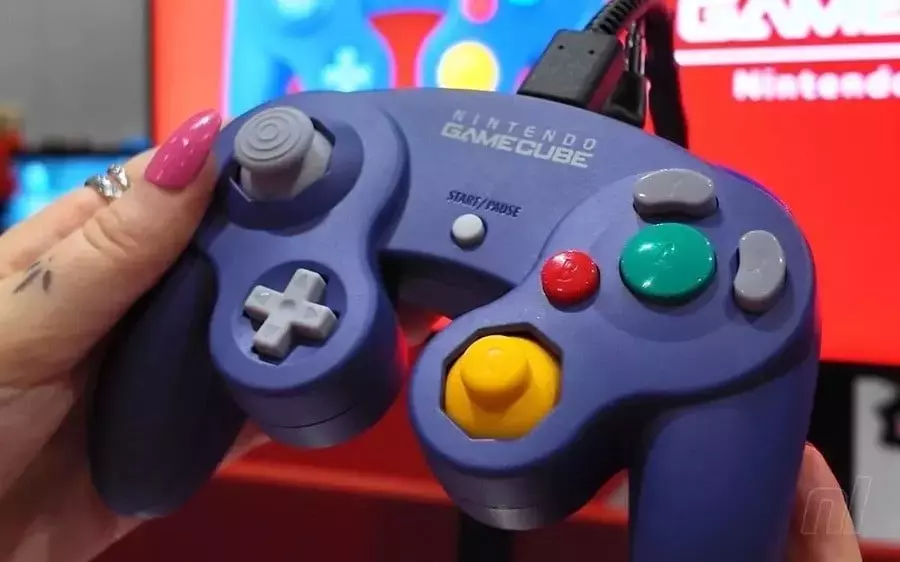
He also highlighted the remarkable success of the Nintendo Museum, which opened its doors in October 2024. Since its inauguration, the museum has welcomed more than 800,000 visitors by the end of April 2026, serving as a crucial physical space for experiencing Nintendo's product evolution. Regarding Switch Online, Furukawa noted that subscribers can currently access titles from various classic systems, including NES, Super NES, Game Boy, Game Boy Advance, Nintendo 64, and even GameCube software on the upcoming Nintendo Switch 2. This strategy aims to evoke nostalgia in long-time fans while introducing new players to iconic Nintendo franchises and characters. Despite technical hurdles, the company remains committed to investigating a wide range of future possibilities for the service.
Over the years, Nintendo has employed various methods to reintroduce its classic releases. Prior to the subscription-based Switch Online, the Virtual Console allowed users to purchase digital versions of retro games, and 'Mini' consoles pre-loaded with classic titles were also popular. While some fans have expressed concerns about the current Switch Online service's game selection, update frequency, and emulation quality, Nintendo appears to favor this model for its heritage titles, potentially ruling out a return to the standalone paid purchases seen with the Virtual Console.
Nintendo's approach to game preservation sparks an interesting debate about balancing historical fidelity with modern accessibility. While the company's efforts to provide a gateway to its past via Switch Online are commendable, the conversation around game archiving extends beyond simply making titles playable. It touches upon the broader responsibility of maintaining cultural artifacts in a rapidly evolving technological landscape. As players, we are left to ponder how the industry can best honor its origins while continually innovating for the future, ensuring that the magic of past gaming experiences remains vibrant and engaging for generations to come.
