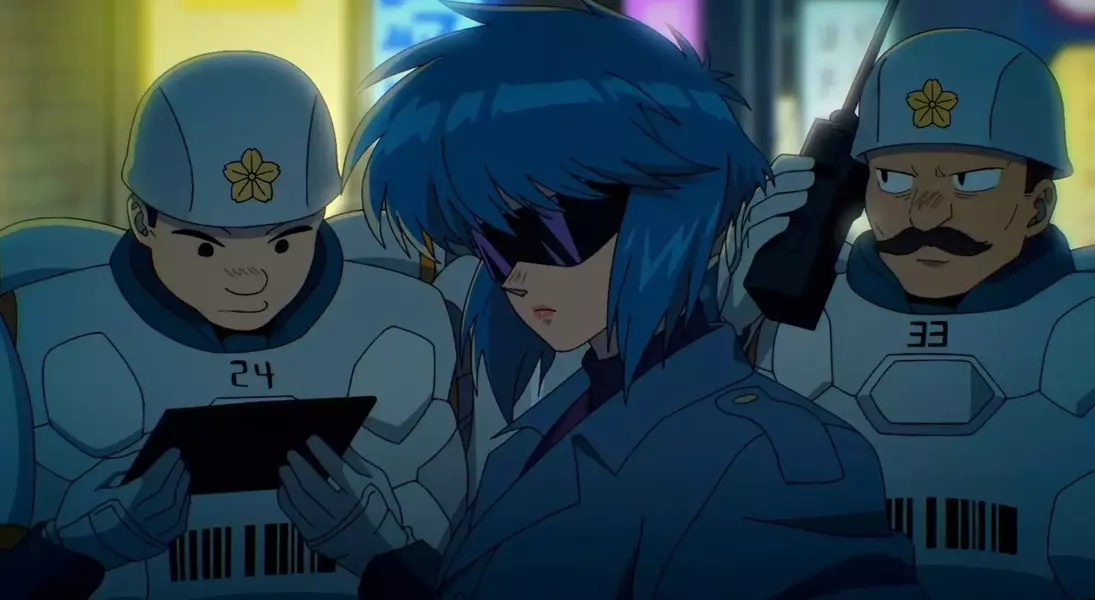
Science Saru's new anime series, 'The Ghost in the Shell,' redefines the iconic franchise by offering a fresh and relatable take on its core themes. Departing from the darker, more introspective tone of previous adaptations, this new iteration introduces a more spirited and humorous Motoko Kusanagi, making her instantly more engaging. The series showcases a vibrant world, enhanced by a jazzy, electronic soundtrack and innovative visual direction, including dynamic overhead shots and colorful sequences. This approach cultivates a sense of fun and accessibility while retaining the intricate explorations of identity, technology, and consciousness that are central to the 'Ghost in the Shell' universe. It's a bold reimagining that honors the manga's legacy while pushing the narrative and aesthetic boundaries forward.
This adaptation stands out for its ability to contemporize a beloved cyberpunk property, making it resonate with modern audiences without sacrificing its philosophical depth. By blending familiar narrative elements with fresh artistic choices, 'The Ghost in the Shell' provides a compelling experience that is both a homage to its roots and a vision for its future. The series effectively balances its rich thematic content with a more accessible and dynamic presentation, appealing to both long-standing devotees and newcomers alike. Its success lies in transforming complex ideas into an enjoyable and visually stunning narrative, proving that nearly four decades after its inception, the world of 'Ghost in the Shell' remains fertile ground for innovative storytelling.
A Refreshing Vision: Motoko Kusanagi Reimagined
Science Saru's 'The Ghost in the Shell' introduces a Motoko Kusanagi who is more accessible and charismatic than ever before. This portrayal offers a stark contrast to the introspective and often stoic leader seen in previous adaptations, imbuing her with a vibrant personality that includes humor and candid emotional expression. This fresh perspective makes Kusanagi incredibly relatable, detaching her from the rigid constraints of Public Security and establishing her as a self-assured leader with a strong sense of loyalty to her team. The series successfully updates her character while preserving the essence of her intelligence and capability, creating a protagonist who is both fiercely independent and deeply human.
This new approach to Motoko Kusanagi’s character development is complemented by a narrative that prioritizes grounded storytelling over overt psychological drama. By making Kusanagi more expressive and allowing her to engage in witty banter, the series offers a more dynamic and less brooding experience. She is depicted as a boss-lady who inspires trust and camaraderie, all while exuding a fierce elegance in her '80s-inspired apparel. This nuanced depiction not only enhances her relatability but also allows for a wider range of emotional engagement from the audience, fostering a deeper connection with the central figure of the 'Ghost in the Shell' universe. Her ability to navigate complex situations with both humor and skill underscores the series' commitment to a more vibrant and engaging narrative.
Cyberpunk Reinvigorated: Visuals and Themes for a New Era
'The Ghost in the Shell' by Science Saru masterfully rejuvenates the cyberpunk genre, presenting a visually distinct and modern aesthetic while preserving the dense atmosphere that defines the property. The series features exceptional direction by Mokochan, utilizing creative overhead shots, bursts of color, and unique perspectives through Fuchikomas and brain dives, which immerse viewers in every facet of its world. This innovative visual storytelling, combined with spectral lighting effects, creates a mesmerizing and highly rewatchable experience that makes every frame feel significant. The series reinterprets familiar scenes from earlier adaptations in fresh ways, ensuring it serves as both a nostalgic tribute and an inventive new chapter for 'Ghost in the Shell' enthusiasts.
The adaptation's enduring strength lies in its ability to address themes of identity, technology, and the human-machine interface with renewed relevance in 2026. Rather than merely relying on nostalgia, the series uses a cleaner, more contemporary visual style to explore these intricate concepts, making them feel current and vibrant. It delves into surveillance, consciousness, and the societal impact of advanced networks, infusing these discussions with a realism and dynamism that avoids the darker tones of previous iterations. This results in a world that feels both vibrant and authentic, making the complex philosophical underpinnings of 'Ghost in the Shell' more engaging and accessible. The series succeeds in making a familiar property feel innovative and exciting, proving that its core ideas are as pertinent as ever.
