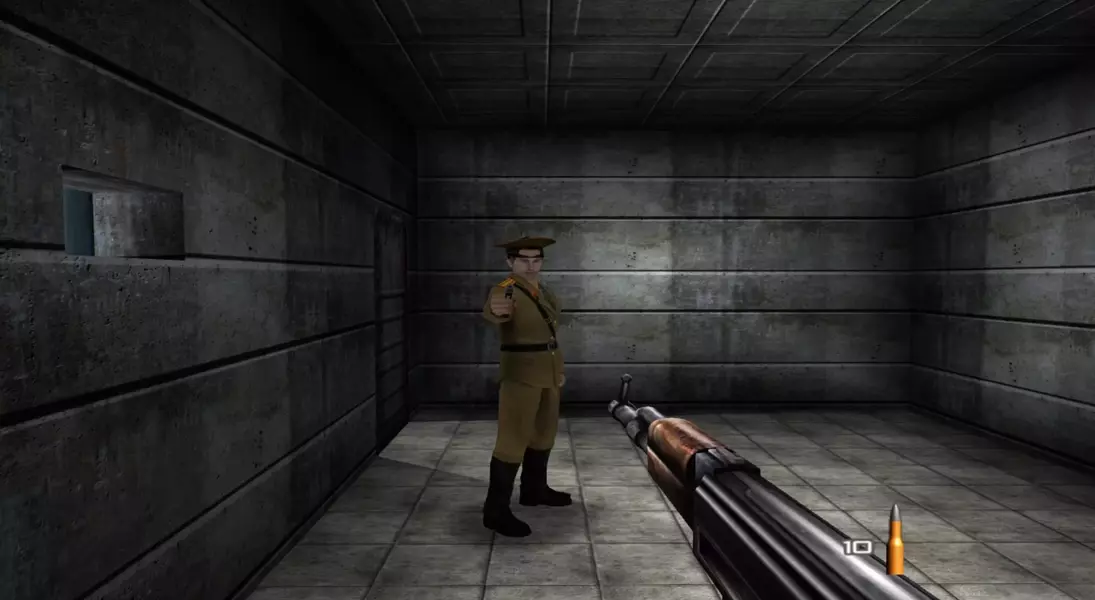
A recent development in the emulation community has brought a significant upgrade to playing classic Nintendo 64 games online. RMG-K, a specialized version of the RMG emulator, has successfully integrated rollback netcode across its entire game library. This innovative addition marks a substantial improvement for online multiplayer, addressing long-standing issues of latency and desynchronization that have plagued retro gaming enthusiasts.
This technical leap allows for a smoother, more responsive online experience, particularly beneficial for games demanding quick reflexes such as Super Smash Bros. and GoldenEye. According to one user, the enhanced netcode dramatically reduced input delay and desyncs, enabling seamless gameplay between continents with minimal lag. The core of this advancement lies in the utilization of the GekkoNet framework, a robust tool that facilitates predictive input handling and rapid corrections, thereby mimicking the feel of local multiplayer even over vast distances.
Despite the technical achievement and the positive reception from players, the project has sparked some debate regarding its development methods. The original creator of the RMG emulator reportedly expressed concerns over RMG-K's use of AI in coding, suggesting it deviates from traditional development practices. However, the developers behind RMG-K maintain that AI tools were used as assistants to streamline the integration process, a common practice in modern software development.
The successful implementation of rollback netcode into a full N64 emulator signifies a promising future for retro gaming, making beloved classics accessible and enjoyable for a global audience. This innovation not only preserves gaming history but also revitalizes it, fostering a more connected and interactive community.
