In the dynamic world of indie game development, genres rise and fall in popularity. While Metroidvania games once commanded significant attention and dominated Steam's weekly charts, recent trends suggest a shift in player interest. Despite the release of several high-quality titles in this genre, their ability to generate widespread buzz and climb the top-seller rankings appears to be diminishing. This raises questions about genre fatigue and the unpredictable nature of success in the indie gaming landscape.
Metroidvania's Current Standing and Promising New Titles
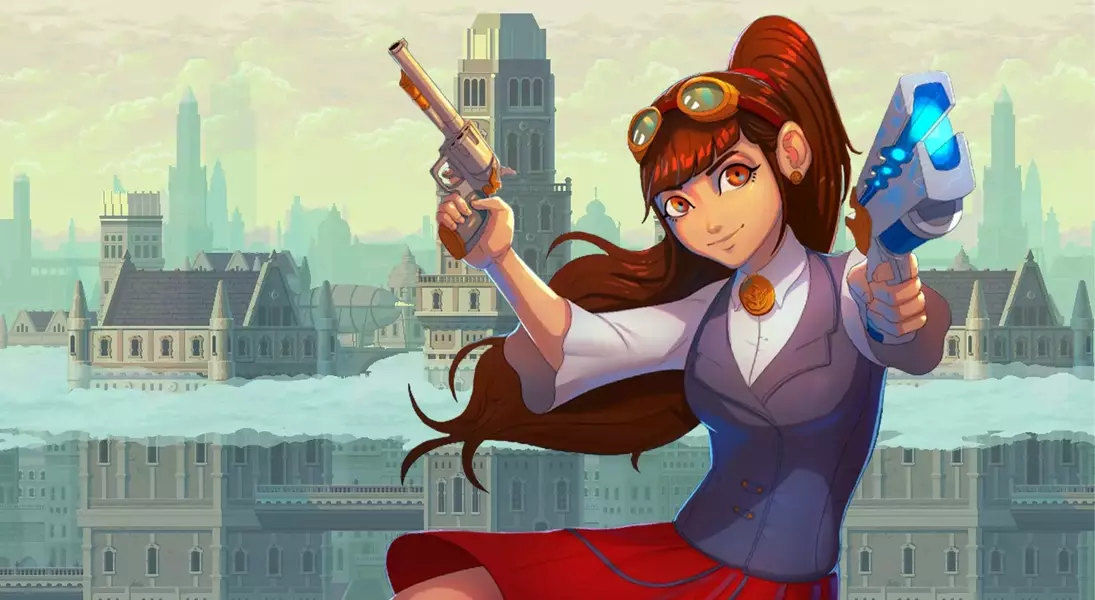
In the past week, two notable Metroidvania-style platformers, "Shattered Divinities" and "Clockwork Ambrosia," made their debut on Steam. "Shattered Divinities," developed in China, offers a compelling fantasy experience. Meanwhile, "Clockwork Ambrosia," which I have personally invested about five hours into, stands out with its visually stunning pixel art, reminiscent of classics like "Iconoclasts" and "Owl Boy." Its captivating blend of chrome-infused sci-fi and cheerful steampunk aesthetics provides a delightful gameplay experience. This game draws inspiration from "Mega Man" with its gun-focused combat while incorporating a robust modding system. Players can extensively customize four main weapons with various add-ons discovered throughout the game world. Loot is plentiful, and every chest yields significant items, such as mods that alter projectile trajectories or split bullets. This level of customization, particularly evident before boss encounters, evokes a feeling similar to "Armored Core."
However, despite the evident quality of these games, they struggled to capture the same level of attention as titles like "Subnautica 2" or "Mixtape." This trend is not new; other excellent Metroidvanias, such as "MIO: Memories in Orbit" and a recent sequel to "Grime," have also gone largely unnoticed by the wider gaming community. This phenomenon is particularly striking given that these games often boast art styles and mechanics that would have propelled them to success during the genre's peak in the late 2010s, a period that saw hits like "Axiom Verge," "Hollow Knight," and "Guacamelee."
Examining Steam's top 50 charts for Metroidvanias reveals a stark reality. Aside from the highly anticipated "Hollow Knight: Silksong" in January and "Animal Well," which debuted at a respectable tenth place but quickly fell to 29th, the genre has largely failed to make a significant impact. Other entries like "Blasphemous 2" and "Nine Sols," released in August 2023 and May 2024 respectively, had even lower chart debuts and struggled to maintain their positions.
The broader Steam charts from May 5-12 further underscore this shift in player preference. Games like "Counter-Strike 2," "Forza Horizon 6," and "Apex Legends" dominated the revenue rankings. Notably, "Forza Horizon 6" saw impressive pre-sales, likely driven by its deluxe edition offering early access. This indicates that incentives and established franchises continue to draw significant player investment. Even "Subnautica 2," one of the most wishlisted games, charted lower than expected, falling behind less-hyped titles from previous weeks like "Far Far West" and "Windrose."
The current landscape highlights a potential genre fatigue among players, where even innovative and well-crafted Metroidvanias struggle to compete for attention. This poses a significant challenge for indie developers who embark on long development cycles, often launching projects in a market vastly different from when they began. The journey of "Clockwork Ambrosia," which started its Kickstarter in 2018 when the Metroidvania genre was flourishing, exemplifies this risk. It serves as a reminder that the indie game market is inherently unpredictable and sensitive to evolving player tastes.
While the Metroidvania genre may no longer command the same mainstream buzz, the underlying quality of many recent releases remains undeniable. "Clockwork Ambrosia," with its deep customization and charming art style, is a prime example of a game that deserves attention, regardless of prevailing trends. For enthusiasts of the genre and those seeking genuinely innovative gameplay, exploring these "deep cuts" can lead to rewarding discoveries. The lesson here for both players and developers is perhaps to look beyond the immediate hype cycles and appreciate the enduring artistry and creativity that continue to thrive within niche communities.
