
"Escape from Ever After" emerges as a significant contender in the realm of turn-based role-playing games, drawing direct comparisons to the esteemed "Paper Mario: The Thousand-Year Door." This new release endeavors to satisfy a long-standing desire among fans for a game that rekindles the original series' cherished RPG mechanics, which Nintendo has moved away from in recent entries. The game distinguishes itself through its engaging story, witty dialogue, and innovative gameplay, successfully delivering a blend of humor, insightful social commentary, and heartfelt moments. While other titles have attempted to emulate the classic, "Escape from Ever After" stands out by offering a genuinely compelling and distinct experience that pays homage to its inspiration while forging its own path.
The journey through "Escape from Ever After" is not just a gaming experience; it's a testament to the enduring power of narrative and well-crafted gameplay. It invites players into a vibrant world where traditional fairy tale elements collide with corporate satire, offering both lighthearted fun and deeper reflections on authorship and the value of stories. The developers have meticulously balanced combat, puzzles, and character development, ensuring that each aspect contributes to a cohesive and memorable adventure. This game not only honors the legacy of its spiritual predecessor but also adds a rich, new chapter to the genre, proving that creativity and care can indeed produce exceptional titles that resonate with a broad audience.
The Initial Chapters: Establishing Worlds and Characters
The early stages of "Escape from Ever After" skillfully introduce players to its distinct universe, focusing on Flynt Buckler, a knight pulled from a children's story into a corporate-controlled reality. His disorientation upon encountering Ever After Incorporated sets a unique tone, blending fantasy with satire. The game's dialogue, particularly between Flynt and his unlikely companion Tinder, is crafted with a balance of sharp wit and effective tutorials, guiding players through the initial challenges. Their first major adventure into the Three Little Pigs storybook cleverly marries humor with a subtle critique of capitalism's influence on art, establishing the game's thematic depth from the outset. This strong opening ensures players are immediately immersed in a world that is both whimsical and thought-provoking, showcasing clever puzzles and competent boss encounters.
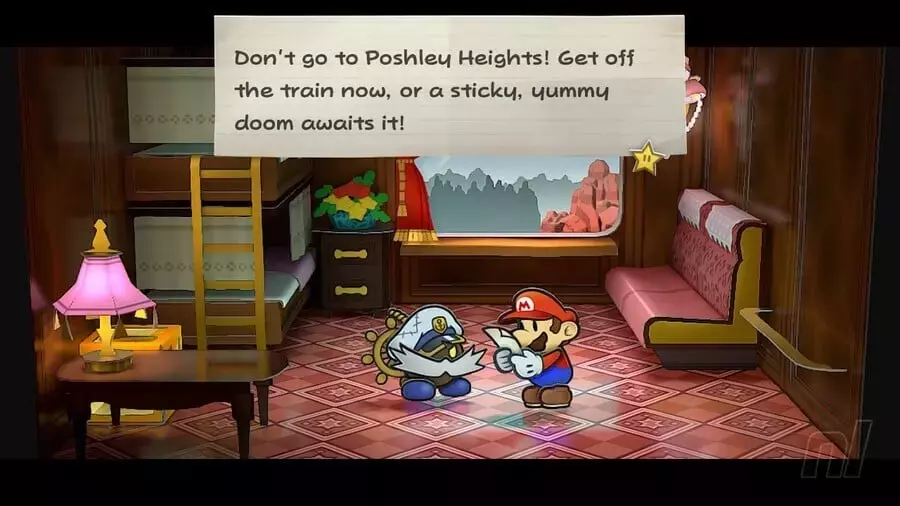
Conversely, "Paper Mario: The Thousand-Year Door" captivates from its opening moments with Mario's arrival in Rogueport, a town brimming with colorful characters and intricate lore. The game's distinct humor and graphical charm are immediately apparent, drawing players into its quirky world. Mario's early quests, including a battle with a dragon, cleverly mirror classic fairy tale narratives, setting a foundation for the adventures to come. While its second chapter, featuring the mystical Great Boggly Tree, presents intriguing puzzles, some elements might slightly disrupt the game's pace. However, the introduction of memorable companions like Madame Flurrie ensures that "The Thousand-Year Door" maintains its momentum, solidifying its status as a benchmark for narrative and character development in RPGs. The contrast highlights how both games establish their unique identities through distinct narrative and gameplay approaches.
Mid-Game Adventures: Narrative Depth and Genre Blending
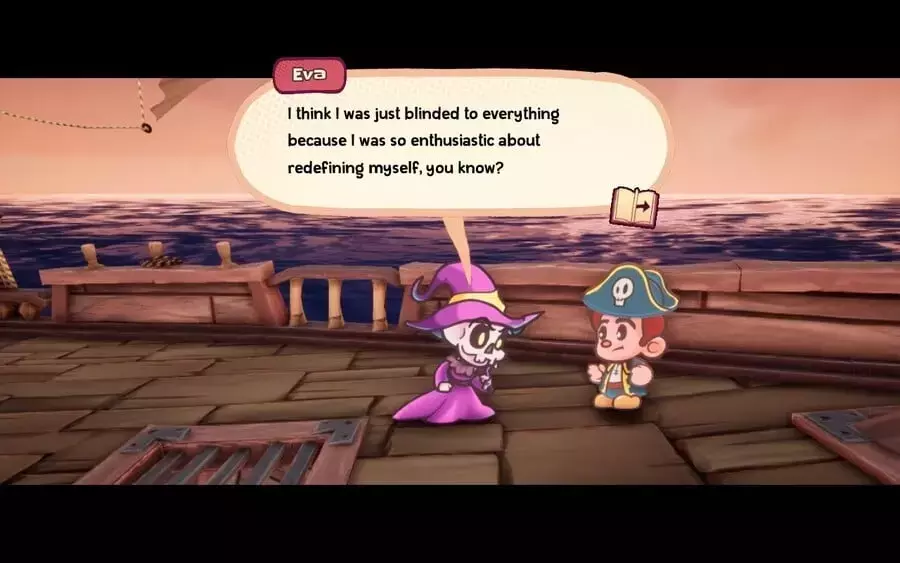
As players delve deeper into "Escape from Ever After," the game reaches a peak in tonal excellence, venturing into a horror-themed narrative that masterfully blends diverse genres. Flynt and his companions infiltrate a forbidden library, discovering "The Shadow Over Innsbeak," a storybook that uniquely combines Lovecraftian monsters with Sherlock Holmes mysteries and unexpected avian elements. This unconventional mix leads to a delightful array of bizarre, imaginative, and truly humorous scenarios, including the absurd romance between Sherlock Holmes and Cthulhu. Following this inventive episode, the game transitions into a robust pirate-themed arc, demonstrating its versatility and ability to maintain narrative excitement. This section showcases "Escape from Ever After's" strength in weaving intricate plots and character interactions, positioning it as a formidable contender in narrative innovation.
"The Thousand-Year Door" also shines in its middle segments, particularly with the iconic Glitzville, a Mario-fied take on the WWE. This section transforms the gameplay into a roguelite experience, featuring escalating battles interspersed with strategic rest periods. The story and humor here are exemplary, perfectly illustrating why this particular "Paper Mario" title is so cherished among fans. Subsequently, Mario's journey to Twilight Town introduces a spooky yet comical mystery involving a Crystal Star and a bell that transforms townsfolk into pigs. Despite the intriguing premise, this chapter's combat might feel somewhat repetitive, and its environmental puzzles don't always stand out. However, the game regains its stride with a compelling pirate quest that follows, enhanced by Lord Crump's disguised presence, adding layers of dramatic irony and excitement. Both games, in their middle acts, demonstrate a commitment to expanding their worlds and experimenting with gameplay and thematic elements.
