Today's 'Box Art Brawl' segment shines a spotlight on the unique visual presentations of the classic Game Boy Color title, Rayman. With the upcoming release of the Rayman: 30th Anniversary Edition for Switch, it's fitting to revisit the various regional interpretations of its cover art. The original Game Boy Color version, though distinct from its PlayStation counterpart, holds a special place in the hearts of many platformer enthusiasts, prompting a nostalgic look at how it was marketed across different territories.
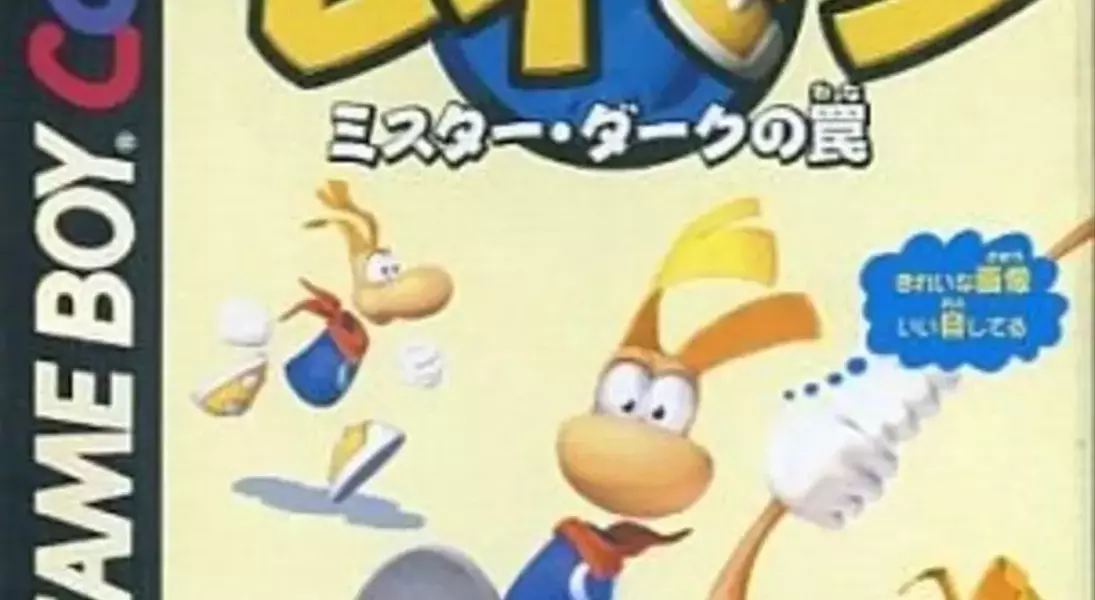
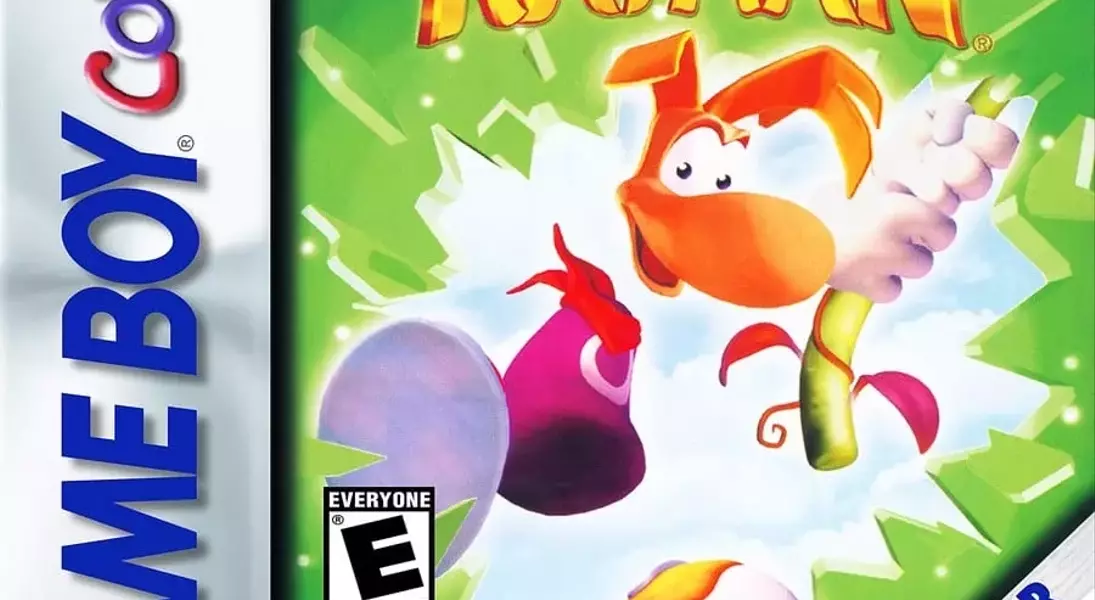
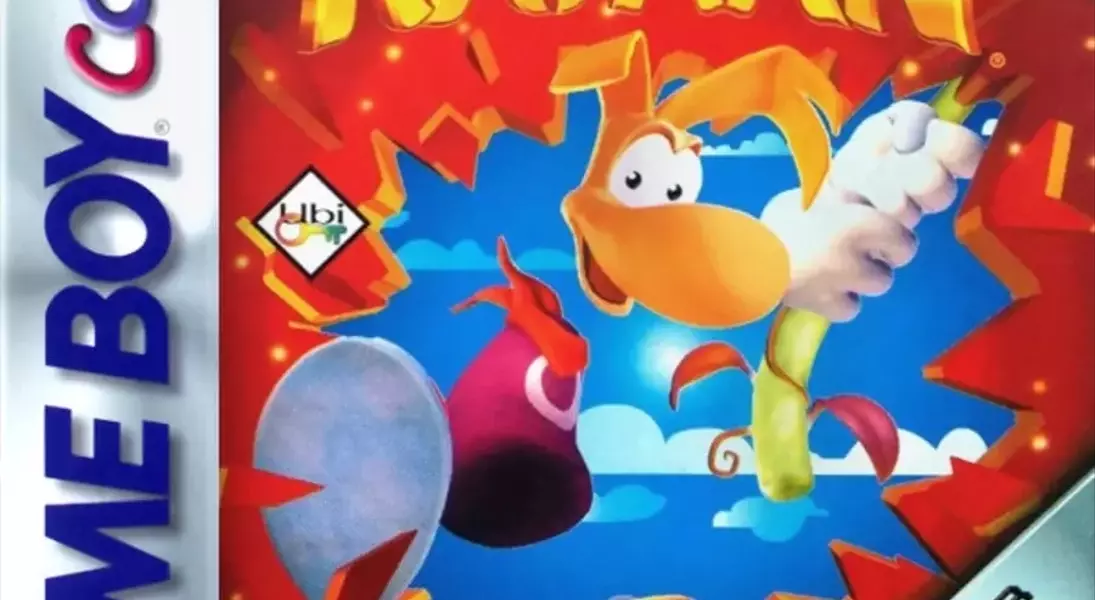
We examine three distinct cover designs for Rayman on the Game Boy Color, each offering a unique artistic take. The North American version features the titular hero prominently, swinging on a vine against a verdant background—a straightforward yet effective depiction. The European rendition mirrors this composition but opts for a striking red backdrop, offering a bolder aesthetic. In contrast, the Japanese cover diverges significantly, showcasing multiple dynamic poses of Rayman against a simpler background, emphasizing his versatile abilities, although some might find its overall design less cohesive than its Western counterparts.
This comparative analysis of the box arts reveals fascinating insights into regional marketing strategies and artistic preferences. While the North American and European covers share a similar visual theme with a color variation, the Japanese artwork attempts a more comprehensive portrayal of the character's diverse movements. Ultimately, each design played a role in introducing Rayman to different audiences, contributing to the game's enduring legacy as it approaches its milestone anniversary, reminding us how diverse visual storytelling can be.
