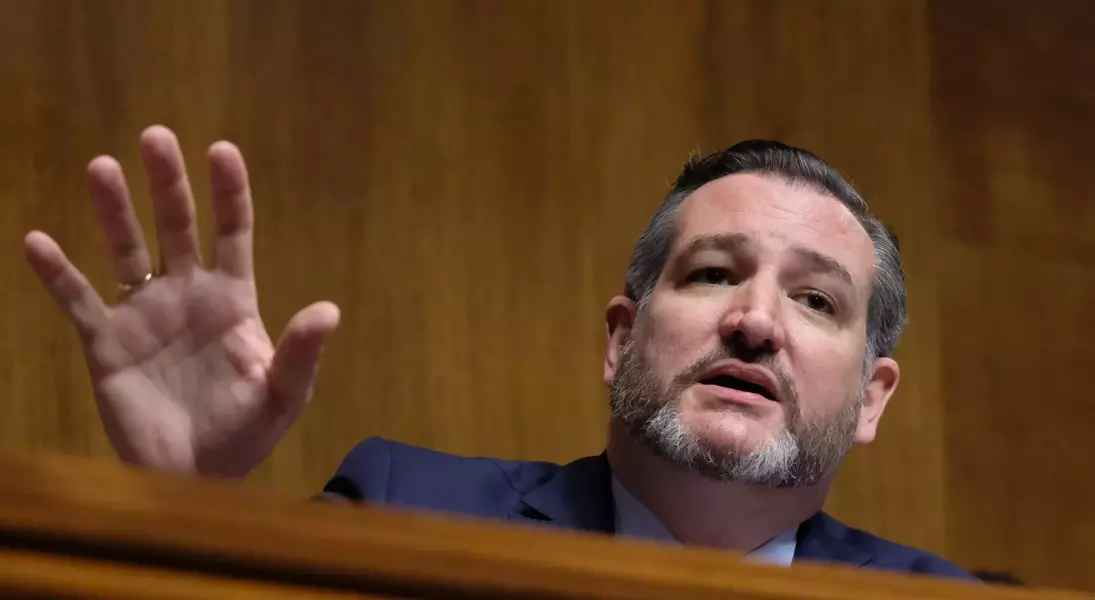
A recent legislative initiative introduced by Senator Ted Cruz seeks to establish a novel framework for artificial intelligence regulation, proposing a significant period during which AI developers could operate with reduced federal oversight. This measure, known as the SANDBOX Act, is designed to foster innovation by allowing companies to request exemptions from existing rules for up to a decade. This approach has drawn both support, for its potential to accelerate technological progress, and criticism, for concerns about consumer protection and regulatory authority. The bill's provisions, including automatic waiver grants and White House override powers, suggest a shift towards a more industry-driven regulatory landscape for AI.
Details of the Proposed AI Regulation Framework
On a recent Wednesday, Senator Ted Cruz unveiled the SANDBOX Act, a pivotal piece of legislation intended to reshape the regulatory environment for artificial intelligence in the United States. This proposed law would enable companies developing AI products and services to apply for waivers or modifications from federal regulations that might impede their innovation. These waivers could remain in effect for two years at a time, with a potential cumulative duration of up to 10 years. Such a long-term regulatory holiday recalls previous, unsuccessful attempts to pause state-level AI regulations.
The authority to grant these regulatory exceptions would primarily reside with the federal agencies responsible for the relevant regulations, such as the Federal Trade Commission, which currently oversees children's online privacy. A key provision of the bill states that if an agency fails to respond to a waiver request within 90 days, the waiver would be automatically approved. Furthermore, if a request is denied, companies would have the right to appeal to the White House Office of Science and Technology Policy (OSTP). The OSTP, which would also manage the overall sandbox program, would possess the ultimate power to overturn an agency's denial. An annual report detailing the number of waived or modified federal rules would be submitted to Congress.
This legislative move has not been without controversy. Public interest groups, including The Tech Oversight Project and Public Citizen, have voiced strong objections. They argue that the bill could provide an unfair advantage to large technology corporations, particularly those with political influence, by allowing them to bypass crucial consumer safety and financial safeguards. Concerns have also been raised regarding the OSTP's unprecedented authority to override established federal agencies, especially given the prior dismantling of certain government oversight initiatives. This proposed framework aligns with elements of President Trump's AI Action Plan, which, announced in July, also advocated for regulatory sandboxes and hinted at withholding federal funding from states that impose their own AI regulations. Notably, Senator Cruz's home state of Texas already enacted a similar, though more limited (36-month), AI regulatory sandbox in June.
This legislative proposal marks a significant moment in the ongoing debate over how best to regulate rapidly evolving AI technologies. The tension between fostering innovation and ensuring public safety and fairness will undoubtedly continue to be a central theme as this bill progresses.
