The internet is awash with fabricated videos of the iPhone 17 Pro, creating a misleading perception of its capabilities. Despite Apple's recent unveiling of the actual device, these digitally altered clips, particularly those demonstrating non-existent features, have garnered immense traction online. This phenomenon underscores a growing challenge in distinguishing authentic product information from creatively manipulated content, emphasizing the critical importance of media literacy in navigating the digital landscape.
These viral deceptions are not merely harmless entertainment; they represent a broader issue of misinformation in the digital age. While some viewers possess the discernment to identify these fakes, the sheer volume and compelling nature of such content can easily mislead the less discerning. It highlights the responsibility of platforms and content creators to uphold accuracy and transparency, ensuring that consumers are not led astray by imaginative but ultimately false representations of technology.
The Proliferation of Fictitious iPhone Features Online
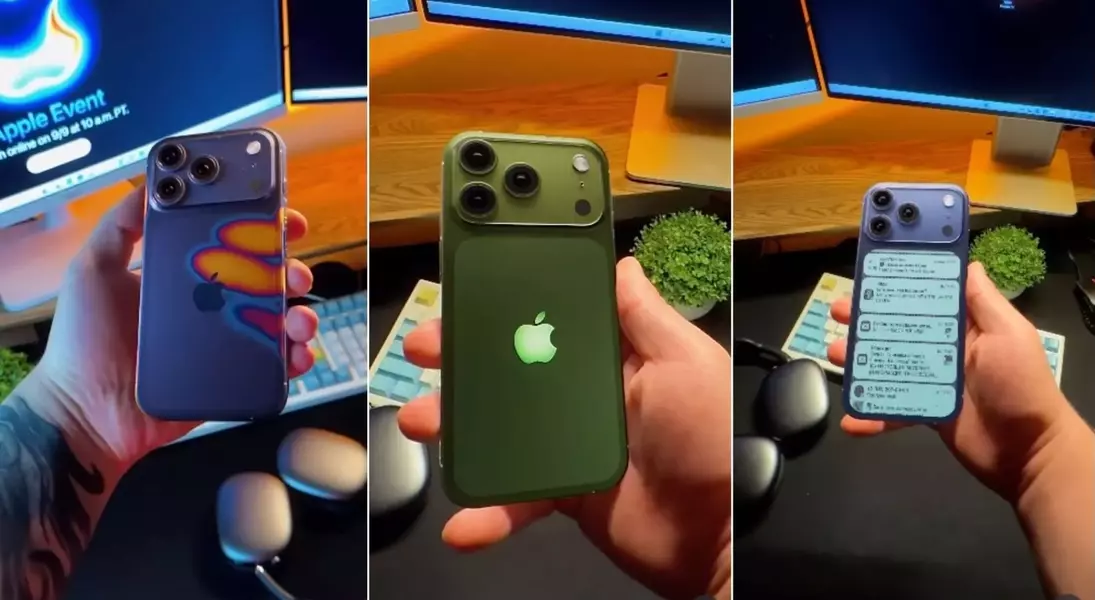
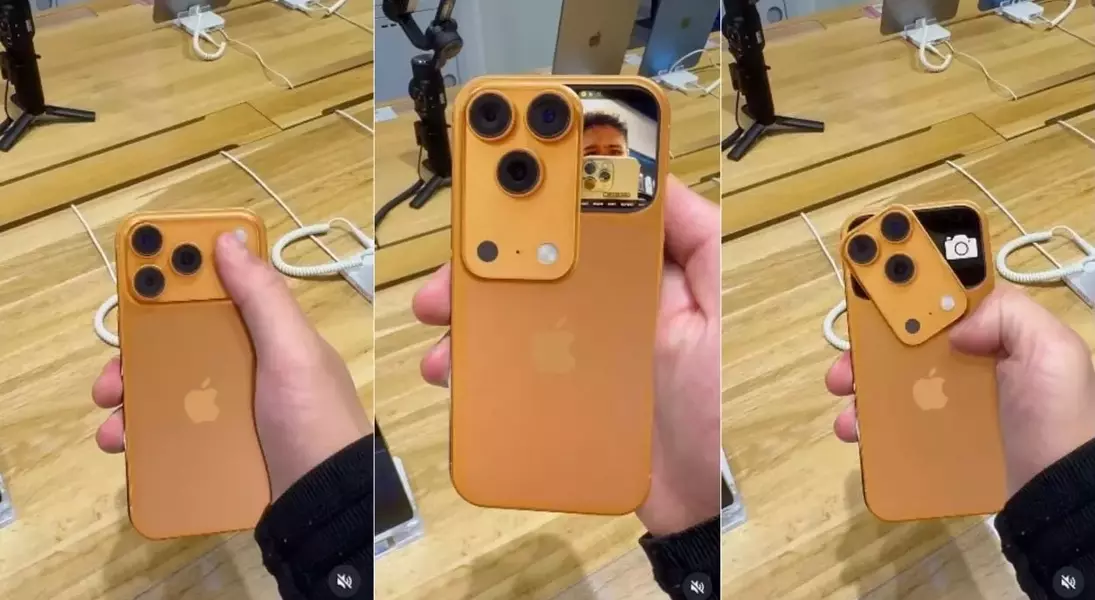
In the wake of the iPhone 17 Pro's official launch, a multitude of deceptive videos purporting to showcase revolutionary, yet entirely fictional, features have saturated social media platforms. One such prominent example is a viral Instagram Reel depicting the device with a dynamic, rotating camera module that unveils a hidden selfie display, accumulating over 130 million views. Other widespread videos feature the phone undergoing heat-sensitive color changes or boasting a secondary display on its rear for scrolling through messages. These visually compelling but fabricated demonstrations often dominate search results for the iPhone 17 on various social media platforms, leading to widespread confusion among the public. Despite the obvious nature of these alterations to some, the sheer volume and persuasive presentation of such content raise concerns about digital literacy and the spread of misinformation regarding technological advancements.
These imaginative portrayals of the iPhone 17 Pro's capabilities are primarily the work of visual effects artists, who leverage their skills to create hyper-realistic but entirely fictitious device functionalities. For instance, VFX artist Roman Bykov is responsible for several of these viral videos, showcasing conceptual features that far exceed the current technological limitations of smartphones. While many social media users, as evidenced by comments, recognize these videos as fabrications, their widespread dissemination highlights a gap in critical consumption of online media. The ease with which such altered content can be created and shared underscores the imperative for users to verify information from credible sources and to remain vigilant against misleading visuals, particularly concerning highly anticipated tech products.
Distinguishing Authenticity from Digital Fabrication
The authentic iPhone 17 Pro, despite lacking the fantastical features seen in viral videos, presents genuine advancements, particularly in its camera system. The device boasts an enhanced 18MP selfie camera, a significant upgrade from previous 12MP models, and is equipped with innovative auto-orientation capabilities for group selfies. Its rear camera array features triple 48MP fusion cameras alongside an ultrawide lens, delivering substantial photographic improvements. These real technological leaps stand in stark contrast to the exaggerated functionalities presented in fabricated content, underscoring the importance of discerning between actual product specifications and imaginative digital renderings. This distinction is crucial for consumers seeking accurate information and highlights the genuine innovations that often get overshadowed by sensationalized, fake content.
Identifying and debunking these digitally manipulated videos is essential in an era where sophisticated visual effects are readily accessible. Several indicators can help users determine the authenticity of a video. For content suspected of being AI-generated, specific guides and tools exist to analyze visual inconsistencies or unnatural movements. When dealing with purported new phone models, examining the camera bumps or overall design can often reveal if a factory fake or dummy unit is being used. Crucially, verifying the source of the video is paramount; reputable tech news outlets and official company announcements are reliable sources of information, unlike individual visual effects artists whose primary goal might be creative expression rather than factual reporting. By adopting these critical viewing habits, consumers can navigate the digital landscape more effectively and avoid falling prey to tech hoaxes.
