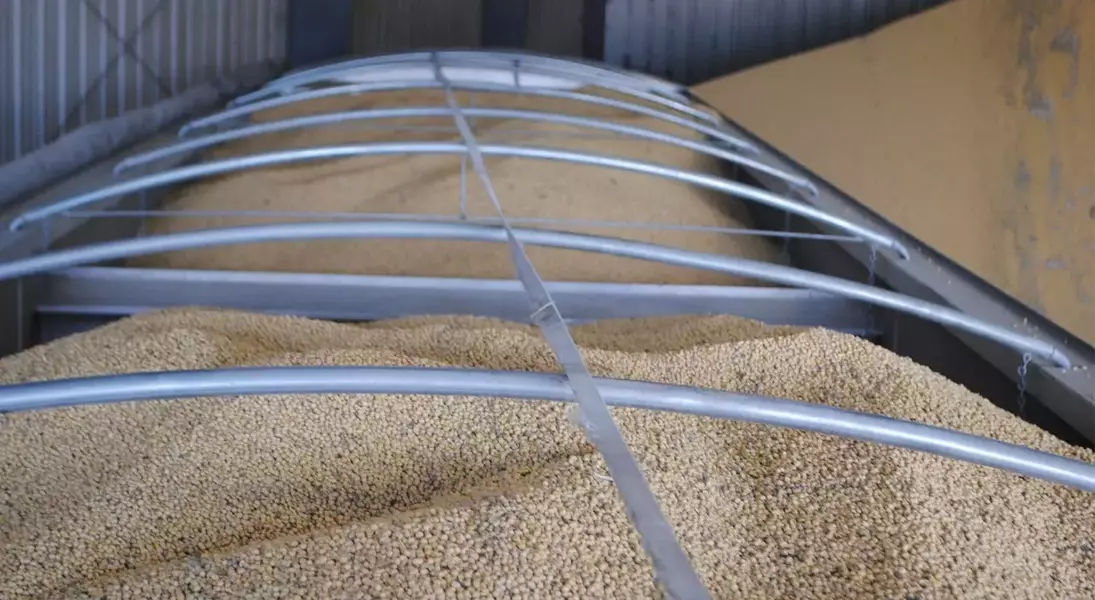
Nebraska's agricultural prowess shines brightly on the international stage, with its steadfast commitment to fostering robust trade relationships. This strategic focus, championed by the Governor's office and various farm organizations, has propelled the state's farm product exports to remarkable heights. In 2022, Nebraska's agricultural exports soared to an impressive $9.97 billion, igniting an additional $10.68 billion in statewide economic activity. This represents an impressive 8% growth from the prior year and a staggering 60% increase, or $3.7 billion, since 2019, according to a comprehensive report by the Nebraska Farm Bureau on agriculture and international commerce. Amidst a volatile global market and geopolitical shifts, Governor Jim Pillen emphasizes the state's unwavering dedication to reinforcing current trade alliances while actively forging new ones.
Nebraska's Distinctive Trade Philosophy: Forging Bonds Across Continents
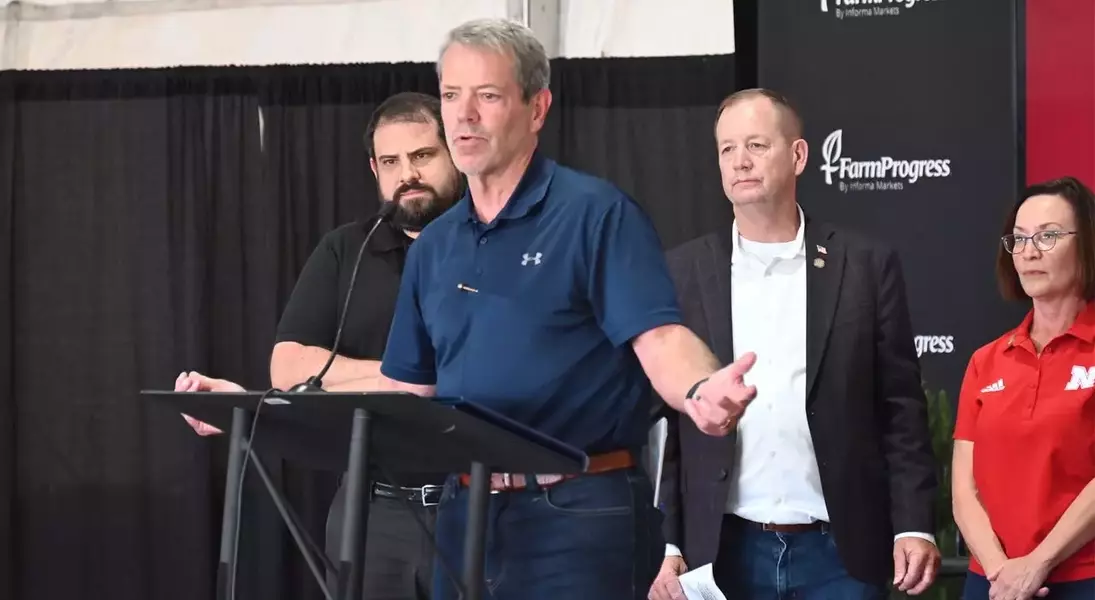
Nebraska's unique approach to international trade is deeply rooted in its characteristic friendliness, a quality that transcends borders. Governor Pillen proudly states that this 'relationship-first' methodology is a cornerstone of the 'Nebraska way,' setting it apart from other states. This personal touch has proven especially valuable in cultivating strong connections with partners across Southeast Asia.
For decades, Japan and South Korea have been pivotal trading allies for Nebraska, making the preservation of these long-standing bonds a primary objective. However, Governor Pillen also highlights the immense untapped potential within the broader Southeast Asian market, signaling a fertile ground for expanded trade endeavors. In pursuit of these opportunities, Governor Pillen recently engaged in discussions with Japan's ambassador to explore further trade avenues. His dedication to international engagement is further evidenced by his numerous trade missions, including journeys to Vietnam, South Korea, and Japan in 2023, and a strategic visit to the Czech Republic and Germany in November 2024. These diplomatic and economic expeditions are poised to significantly bolster future trade negotiations, aligning with broader federal trade strategies.
Despite the successes, challenges persist. Mark McHargue, a fourth-generation farmer and president of the Nebraska Farm Bureau, voiced his concerns regarding the financial stability of farming operations. While the livestock sector, particularly beef, has enjoyed record prices, corn and soybean producers in Nebraska are grappling with prices below their breakeven points. Nevertheless, McHargue, who diversifies his farm with both livestock and row crops, and employs both organic and conventional practices to reach a wider consumer base, remains a staunch advocate for international trade. He underscores the importance of expanding access to global markets, especially in densely populated Asian regions, as a crucial pathway for producers to meet burgeoning global demand.
A Forward-Looking Perspective: Nurturing Agricultural Prosperity
As the global market landscape remains fluid, Governor Pillen and his dedicated team are firmly committed to sustained international engagement, focusing on enhancing efficiency and minimizing costs. This entails collaborative efforts between Nebraska's state agencies and the Governor's office, alongside direct coordination with federal leaders such as Secretary of Agriculture Brooke Rollins, to unlock new opportunities through strategic trade missions. Governor Pillen reiterates the administration's recognition of the heartland's vital role in trade, praising Nebraskans as innovative and passionate leaders poised to advance the agricultural sector.
The Enduring Power of Relationships in Global Trade
This report from Nebraska serves as a compelling reminder that in the intricate dance of international trade, the human element remains paramount. Beyond statistics and policy, the foundation of lasting economic partnerships lies in cultivating genuine relationships. Governor Pillen's 'relationship-first' strategy not only enhances trade volumes but also builds bridges of understanding and trust, proving that a personal touch can yield substantial dividends in the global marketplace. For agricultural producers navigating fluctuating commodity prices and uncertain global conditions, this approach offers a beacon of stability and growth. It's a testament to the idea that successful trade is less about transactions and more about enduring connections, fostering a resilient and prosperous future for all involved.
