This report highlights the multifaceted responsibilities of a modern farmer as summer draws to a close, illustrating the meticulous planning and adaptive strategies required to maintain agricultural productivity. From precision spraying to tackling persistent weed issues and undertaking crucial farm tidying, the daily life on the farm is a testament to resilience and foresight. The narrative underscores the perpetual influence of weather on farming decisions and the collaborative spirit, even involving younger family members, in ensuring the farm's smooth operation.
Detailed Report on Seasonal Farm Management
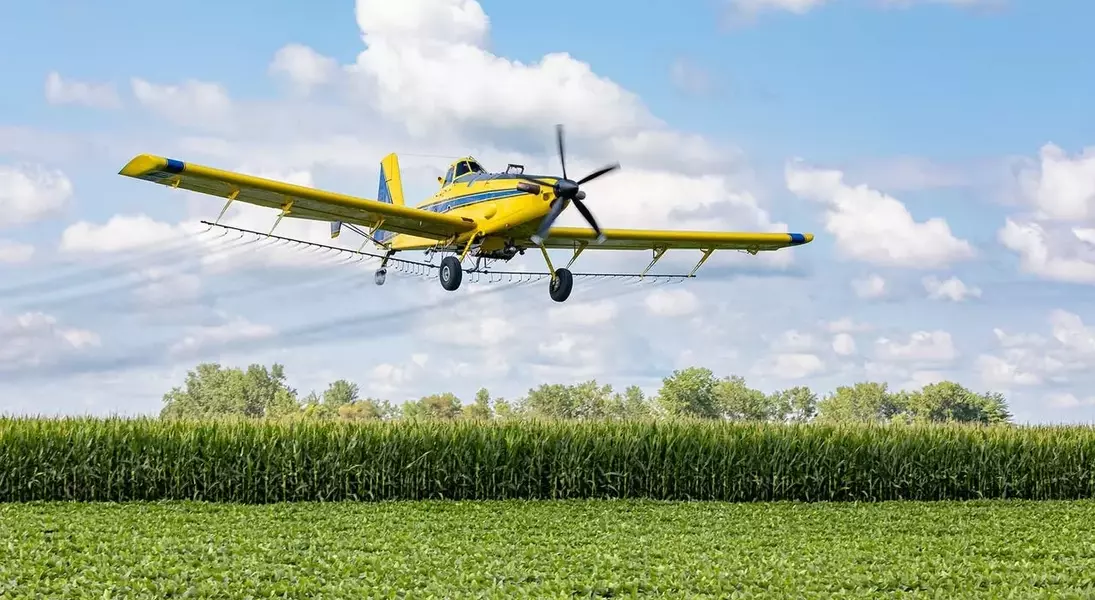
As the vibrant hues of summer began to subtly shift towards autumn, a dedicated farmer meticulously navigated a demanding period of agricultural activity, demonstrating exceptional adaptability in response to environmental conditions. This past week, the focus remained sharply on crucial crop interventions, particularly the application of plant health treatments and post-harvest herbicide spraying on double-cropped soybeans. Given the recent, intermittent downpours, which occurred prominently on Wednesday and Thursday evenings, rendering some fields too waterlogged for conventional equipment, the farmer made a pragmatic decision. While personally overseeing spraying operations across a significant portion of the acreage, specialized aerial services were engaged to manage the more saturated areas, ensuring timely coverage without risking soil compaction or equipment damage.
This strategic dual approach has successfully ensured adequate soil moisture levels, ideally sustaining the crops for another seven to ten days. Farmers are optimistically anticipating further rainfall within this window to safeguard the promising yield potential. Despite the careful calculations for optimal economic returns, there's a lingering thought about whether the corn received sufficient nitrogen, a constant balancing act in agricultural economics. Beyond the broadacre crops, attention also turned to more specialized cultivation. The Christmas tree cultivation area, which had regrettably become somewhat overgrown, underwent a much-needed mowing last Wednesday. The challenge of effective weed control in this particular crop remains, prompting considerations for innovative, environmentally conscious solutions such as biodegradable ground covers for the upcoming year, acknowledging the limited availability of suitable herbicide products for Christmas trees.
Moreover, the tail end of summer ushered in a significant farm-wide cleanup initiative. With the pressing spraying tasks now complete, allowing for the removal of the sprayer tank from the flatbed truck, the focus has shifted to accumulating and preparing scrap metal for sale. The stability of scrap metal prices has made this an opportune moment to declutter and repurpose disused items. In a display of true family collaboration, the younger generations enthusiastically contributed to various farm chores. Their efforts included cleaning grain bins, pressure washing equipment, and general waste disposal. Capitalizing on a period of lower humidity during the preceding weekend, propane and fuel tanks, freshly cleaned, received a new coat of paint, a task last undertaken over two decades ago, highlighting the enduring quality of past maintenance.
The return to academic pursuits for the children, slated for this Thursday, marks a transition, relieving them of their temporary but significant farm responsibilities. While their assistance was invaluable, there's an undeniable sense of anticipation among them for the commencement of the new school year, signaling the natural rhythm of life on a working farm.
The intricate dance between nature's whims and human endeavor is vividly illustrated through the farmer's recent activities. This account reminds us of the relentless challenges and strategic decisions inherent in agricultural production. It emphasizes that successful farming is not merely about planting and harvesting, but about constant adaptation, resourcefulness, and a profound understanding of the ecosystem. The integration of technology, like aerial spraying, alongside traditional practices, such as involving family in farm maintenance, paints a comprehensive picture of resilience and community. Furthermore, the proactive search for sustainable solutions, like biodegradable fabrics for weed control, highlights a forward-thinking approach essential for modern agriculture's future, ensuring both productivity and environmental stewardship.
