
Social Security has long served as an indispensable safety net for millions of retired Americans, providing a vital source of income. Despite its profound importance, the intricacies of the program and its ongoing modifications often present challenges in comprehension. As such, staying informed about these changes is crucial for anyone relying on, or planning to rely on, these benefits.
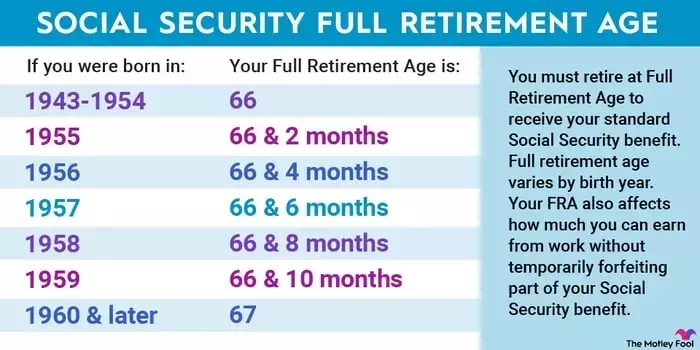
A notable adjustment for those planning their retirement involves the full retirement age (FRA), which dictates when individuals can claim their complete monthly Social Security benefits without reduction. For individuals born in 1959, the FRA has been extended by two months, now standing at 66 years and 10 months. This shift highlights the importance of understanding how claiming benefits at different ages relative to your FRA can impact your monthly payout. Opting to receive benefits before reaching your FRA will result in a decreased monthly sum, with a reduction rate that intensifies the earlier you claim. Conversely, delaying your claim beyond your FRA, up to age 70, can lead to a significant increase in benefits, offering a strategic option for maximizing your retirement income.
Furthermore, changes to the Social Security system extend to how contributions are collected, affecting both current workers and future beneficiaries. The wage base limit, which determines the maximum amount of earnings subject to Social Security payroll taxes, has seen an increase to $176,100 for the current year. This adjustment means that individuals earning above the previous limit may now find a larger portion of their income subject to these taxes, directly impacting their take-home pay. Alongside this, the income thresholds for the retirement earnings test have also been raised. This is particularly relevant for those who choose to claim benefits before their FRA while continuing to work, as exceeding these limits can lead to a temporary reduction in benefits. It's important to remember that any benefits withheld due to the earnings test are not permanently lost but are gradually restored once the individual reaches their full retirement age.
These evolving Social Security guidelines underscore the dynamic nature of retirement planning and the need for individuals to actively monitor such updates. By understanding how changes to the full retirement age, wage base limits, and earnings test thresholds impact personal finances, individuals can make more informed decisions about when and how to claim their benefits. Such proactive engagement ensures that one's financial future is built on a solid foundation, reflecting an optimistic and responsible approach to long-term well-being.
