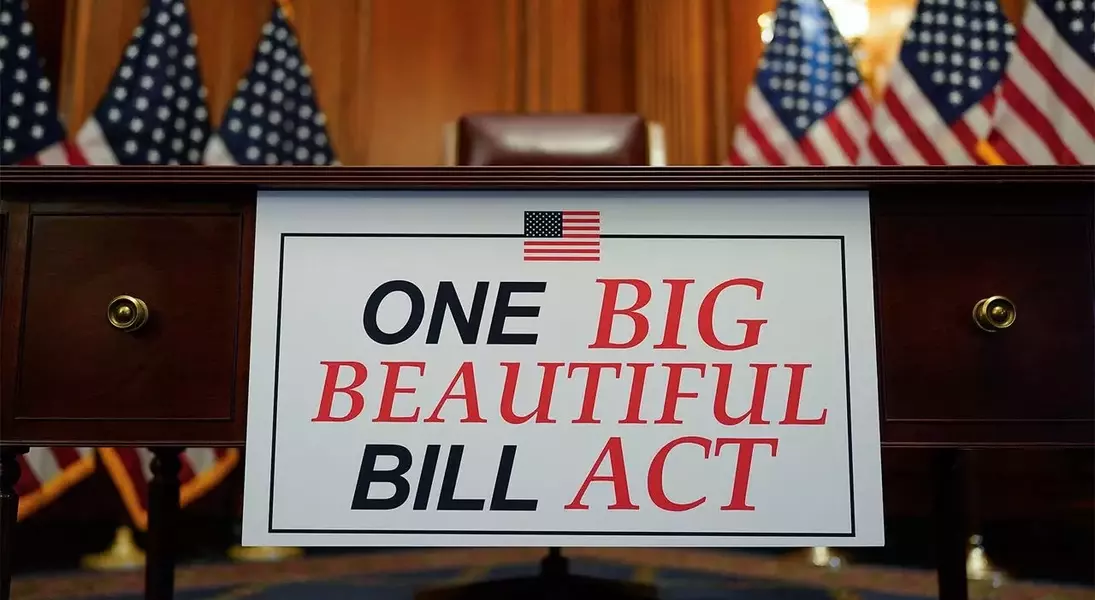
The legislative landscape for agricultural businesses has recently shifted with the signing of the One Big Beautiful Bill Act on July 4th, bringing forth a series of pivotal changes designed to impact farm families and their financial strategies. Among the most notable revisions is a permanent increase in the federal estate tax exclusion amount to $15 million per person, effective in 2026, which will be annually adjusted for inflation. This significant and lasting adjustment offers greater certainty and relief for larger estates, enabling more effective long-term planning for wealth transfer within agricultural families. Furthermore, the act introduces \"Trump accounts,\" an innovative savings investment vehicle for children, offering a government bonus for those born between 2025 and 2028 who establish these accounts. These accounts allow for annual contributions of up to $5,000, with funds growing tax-free until the child reaches 18, providing a robust tool for future financial security and education.
Beyond estate planning, the new legislation also addresses operational aspects crucial for farm profitability and growth. The permanence of bonus depreciation for qualified property placed into service after January 19, coupled with an increased Section 179 depreciation limit of $2.5 million, offers substantial tax advantages for farmers investing in new equipment. These depreciation benefits are particularly advantageous for those upgrading their machinery in 2025, promoting modernization and efficiency in farming operations. However, the act also involves changes to energy credits, with many clean-energy programs facing cuts or accelerated phase-outs, potentially impacting incentives for renewable energy projects on agricultural lands. Additionally, the legislation modifies farm program payment limitations for pass-through entities like LLCs and S-Corps, aligning their payment availability with that of general partnerships. This adjustment, contingent on the number of actively engaged shareholders or members, provides increased flexibility in choosing business entity structures, which is highly beneficial for succession planning.
Finally, the act introduces a favorable provision for capital gains tax. The tax incurred from the sale of qualified farmland to a qualified farmer can now be spread over a four-year period. This extended payment option offers sellers the advantage of potentially falling into a lower tax bracket, especially beneficial for properties with a low basis or those without a step-up in basis. Such a measure aims to facilitate the transfer of agricultural land, supporting new generations of farmers and ensuring the continued vitality of the agricultural sector. These comprehensive changes underscore a legislative effort to fortify the economic backbone of farm families and encourage sustainable agricultural practices.
These forward-thinking policy adjustments signal a commitment to strengthening the agricultural sector and supporting the hardworking families who form its foundation. By empowering farmers with enhanced financial tools and greater flexibility in business and estate planning, the act fosters an environment where innovation thrives, generational transitions are smoother, and the future of farming remains robust and prosperous. This legislative foresight helps ensure that America's agricultural heritage continues to flourish, contributing to both economic stability and national well-being.
