A Michigan farmer's current growing season presents a complex picture of resilience against environmental and economic pressures. Despite fluctuating commodity prices and unpredictable weather patterns, the farmer anticipates average yields across his diverse operations. This situation highlights the constant challenges faced by agricultural producers who must adapt to a changing climate while navigating an unstable market. The narrative underscores the critical need for supportive policies that address the economic realities confronting the farming community.
Amidst the varied conditions of the current agricultural season, crop development has shown a mixture of progress and setbacks. The strategic application of advanced farming techniques, such as targeted fungicide treatments and careful management of planting schedules, has been crucial in mitigating the adverse effects of weather inconsistencies. However, the overarching concern remains the precarious state of commodity markets, where prices consistently fall below the cost of production, jeopardizing the financial health of farming operations and raising broader questions about the sustainability of the agricultural sector.
Navigating the Season's Agricultural Challenges
The farming season has brought its share of complexities for Michigan's agricultural producers, with crop development mirroring the 'average' outlook reported by one prominent farmer. This season's narrative is defined by the ongoing battle against inconsistent rainfall and periods of intense heat, which have significantly impacted planting schedules and overall crop vigor. Farmers have had to contend with a prolonged planting window, leading to disparate maturity stages within their fields. Despite these hurdles, an underlying sense of cautious optimism persists, as yields, though not exceptional, are generally meeting expectations. The diligent management of crop health, including the strategic use of nutritional supplements and protective treatments, has played a pivotal role in achieving these outcomes amidst an environment of climatic unpredictability.
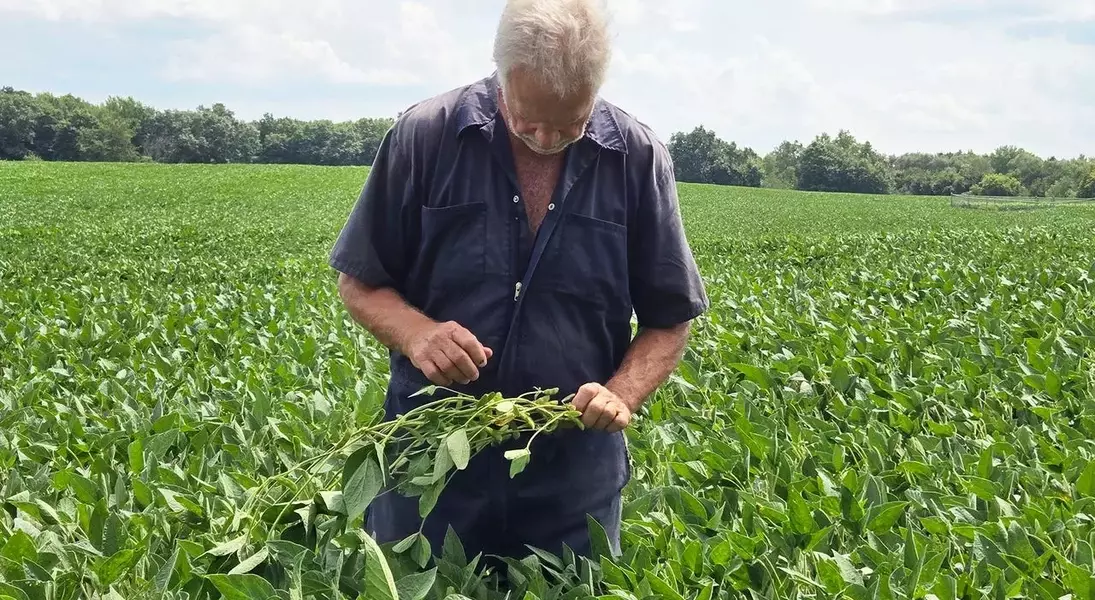
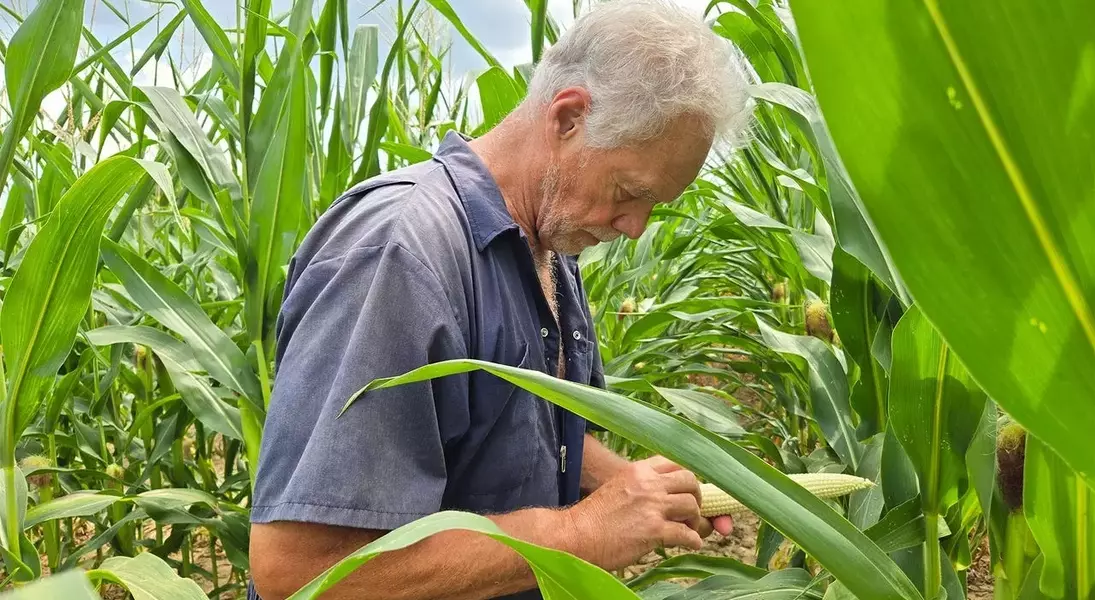
The agricultural landscape in Michigan has been shaped by a combination of mixed weather conditions and strategic farm management. Spring's excessive rainfall necessitated an extended planting period for crops, resulting in a varied growth cycle across fields. This variability presented unique challenges, particularly in nutrient application, as some areas became inaccessible for conventional methods. Despite these difficulties, farmers have actively implemented measures such as advanced fungicide programs, enriched with a blend of nitrogen, boron, and liquid sugar, to bolster plant health and resilience against diseases like tar spot and gray leaf spot. These proactive steps are vital for ensuring crop standability and achieving the anticipated yield averages. Meanwhile, soybean fields are progressing through various developmental stages, though they are currently under stress from the combined effects of recent heat and insufficient moisture, underscoring the delicate balance required in modern farming.
Economic Pressures and Future Outlook
The economic health of farming operations is under considerable strain due to the persistent volatility of commodity prices. Farmers are currently facing a daunting reality where the market value of new-crop corn and soybeans often falls significantly below the expenses incurred in their production. This disparity creates an environment of profound anxiety regarding profitability, casting a shadow over future planning and investment. The uncertainty is compounded by external factors, such as the slow progress in resolving international trade tariffs, which continue to depress market confidence and limit potential revenue streams for agricultural products. This situation underscores the urgent need for economic stabilization within the sector.
The financial challenges confronting farmers are a paramount concern, as current commodity prices are not reflective of the substantial costs involved in crop cultivation. This creates a precarious situation for agricultural businesses, with implications extending beyond immediate profit margins to the long-term viability of the industry. The impact is particularly acute for younger farmers who may lack the established equity to withstand prolonged periods of economic hardship. There is a palpable call for robust governmental support and effective trade policies to stabilize the market and ensure fair returns for agricultural produce. Despite these significant economic headwinds, many farmers maintain a hopeful perspective regarding their crop yields, emphasizing the importance of favorable weather conditions, particularly a dry autumn, to minimize drying costs and ensure optimal grain quality, which remains crucial for financial recovery and future sustainability.
