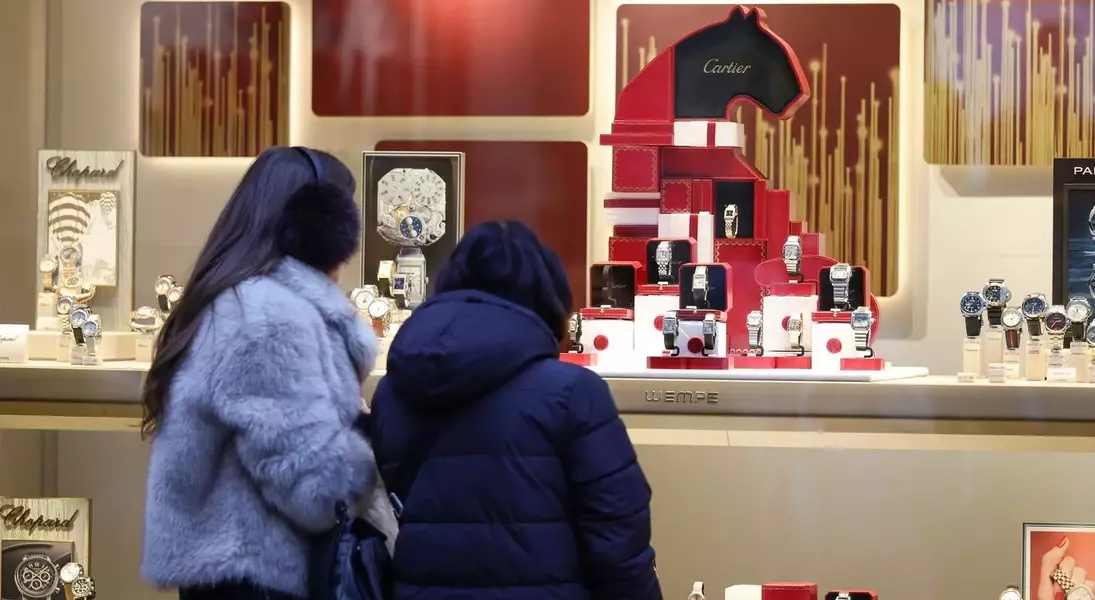
Germany's luxury market, despite being Europe's leading economy, is characterized by a complex and multifaceted landscape. Unlike centralized fashion hubs, Germany's regional diversity necessitates a tailored approach for luxury brands. The German luxury consumer, while affluent, demonstrates a pragmatic mindset, valuing durability, quality, and long-term investment over fleeting trends or overt displays of wealth. This report delves into the intricate dynamics of this market, examining how economic caution, evolving consumer preferences, and the unique retail environments of major cities shape the luxury sector's growth and opportunities.
Understanding Germany's Varied Luxury Market: A Deep Dive into Key Cities
In a detailed analysis of Germany's luxury sector, industry leaders Christiane Arp, chair of Fashion Council Germany, and Lena-Sophie Roeper, general manager for designer labels at Zalando, shed light on the distinctive characteristics of the German consumer and the fragmented retail landscape. Their insights underscore the importance of localization in a market where luxury sales grew a modest 0.8% year-on-year in 2025, reaching nearly €66 billion, influenced by geopolitical uncertainties and inflation.
German consumers, including approximately 260,000 high-net-worth individuals and 7,700 ultra-high-net-worth individuals, are described as discerning and value-seeking. Kerstin Weng, head of editorial content for Vogue Germany, highlighted a cultural inclination towards investing in enduring assets like cars or property, rather than transient fashion items. This translates into a preference for well-researched purchases, emphasizing quality, functionality, and longevity, often leading to online shopping for discounts and a strong inclination towards known, trusted brands.
Experiential luxury, encompassing travel, dining, and personalized services, is identified by Fflur Roberts of Euromonitor International as the fastest-growing segment, reflecting a shift towards memorable experiences over material possessions. However, a nascent trend among younger consumers, driven by social media, suggests a growing interest in fashion as a form of identity and cultural expression.
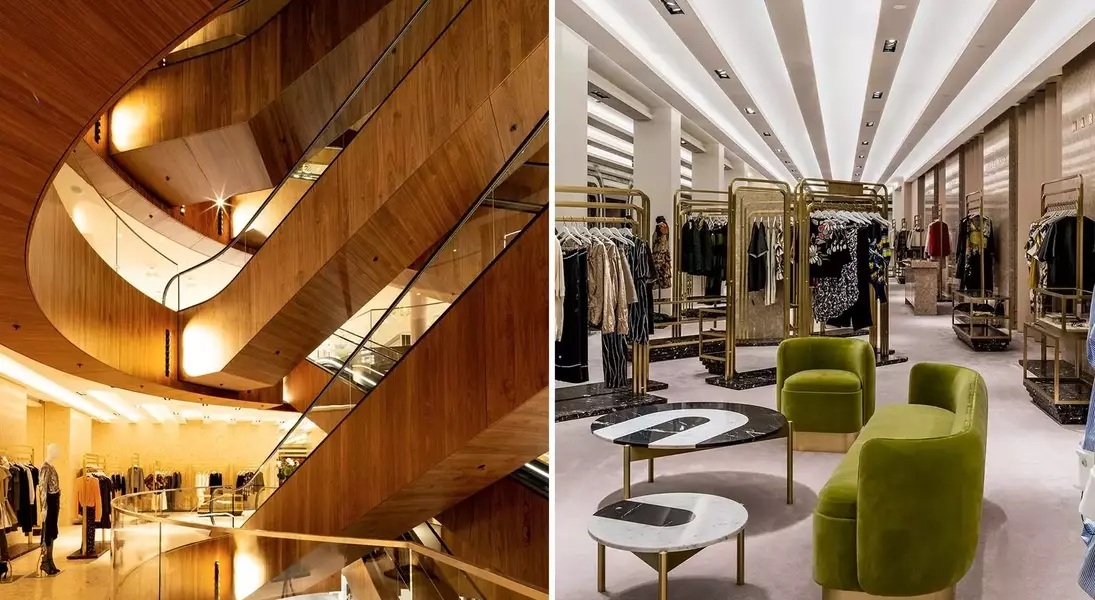
The retail environment is highly decentralized, with each major city serving as a distinct luxury market. Local multi-brand boutiques, particularly in cities like Düsseldorf, Cologne, and Hannover, thrive on personal relationships and bespoke services, offering intimate showroom tours and curated selections. Department stores, such as KaDaWe in Berlin and its sister establishments, are adapting by focusing on quality curation and creating immersive 'third places' that blend shopping with cultural experiences.
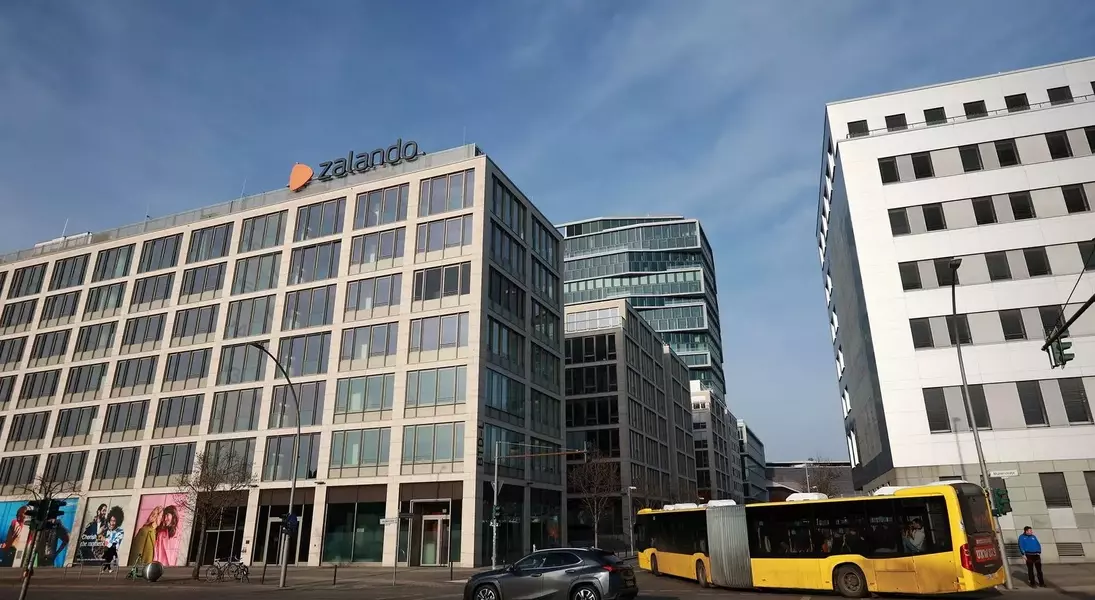
Germany's robust e-commerce sector, anchored by platforms like Zalando and Mytheresa, addresses the needs of consumers in a fragmented physical retail landscape, offering access, assortment, and convenience. German shoppers exhibit high expectations for efficient logistics and flexible payment options, such as payment on invoice, which allows them to inspect items before committing to purchase.
A city-by-city guide reveals the unique luxury pulse of Germany:
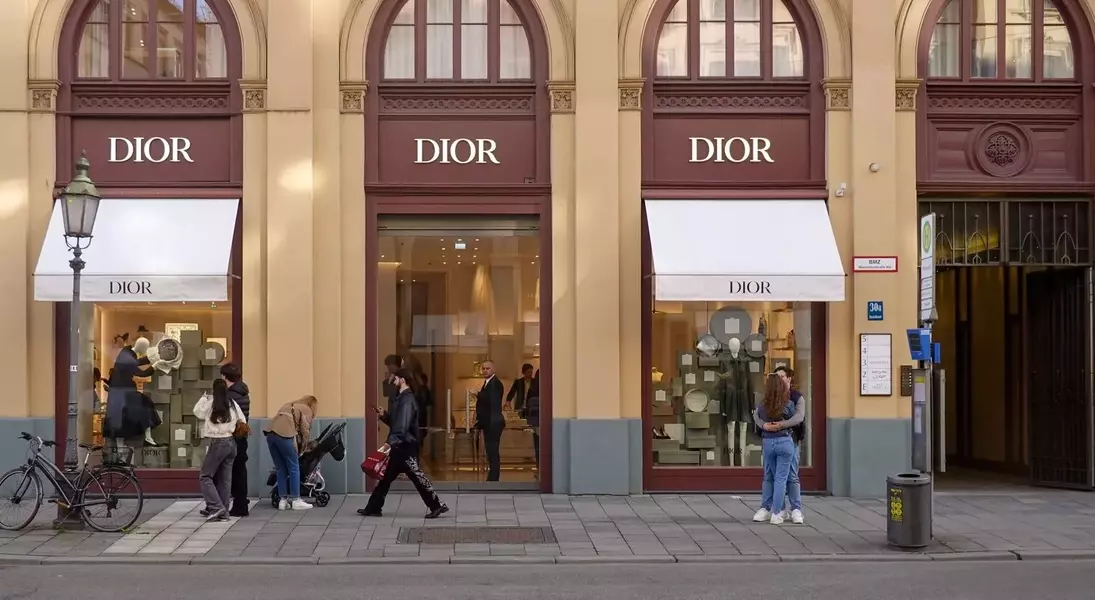
- Munich: A hub of wealth and business, known for its polished and status-aware consumers who prefer understated luxury. Maximilianstraße is its premier shopping destination.
- Berlin: Characterized by creativity, subculture, and an anti-establishment vibe. Younger, culturally-driven consumers prioritize identity and expression over traditional luxury, with Kurfürstendamm being its main luxury street.
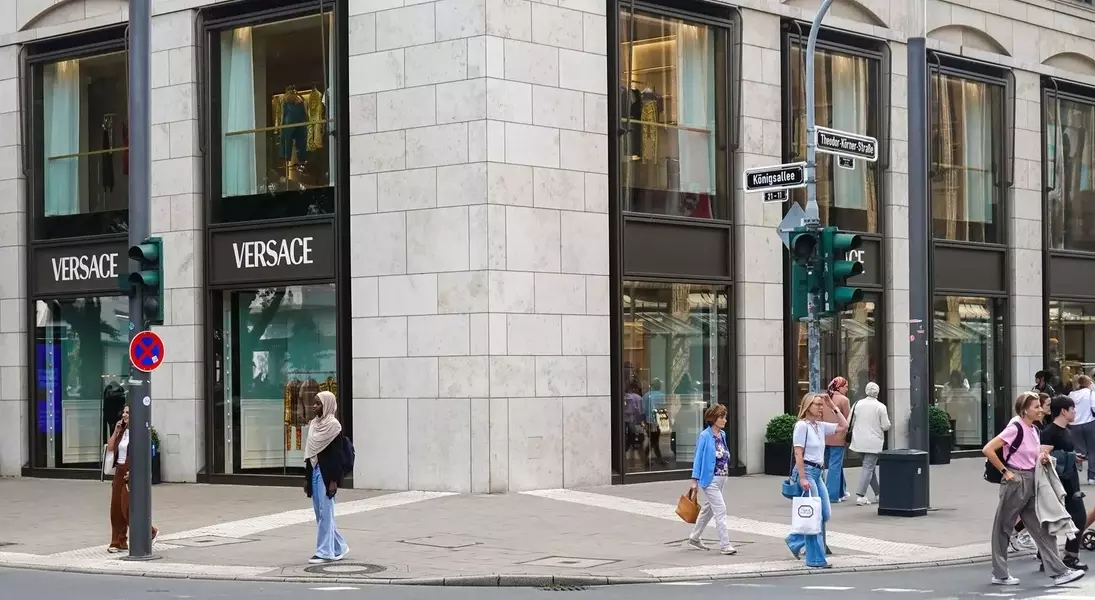
- Düsseldorf: An affluent regional hub attracting high-spending, fashion-aware shoppers from industrial regions. Königsallee is a prominent luxury shopping street.
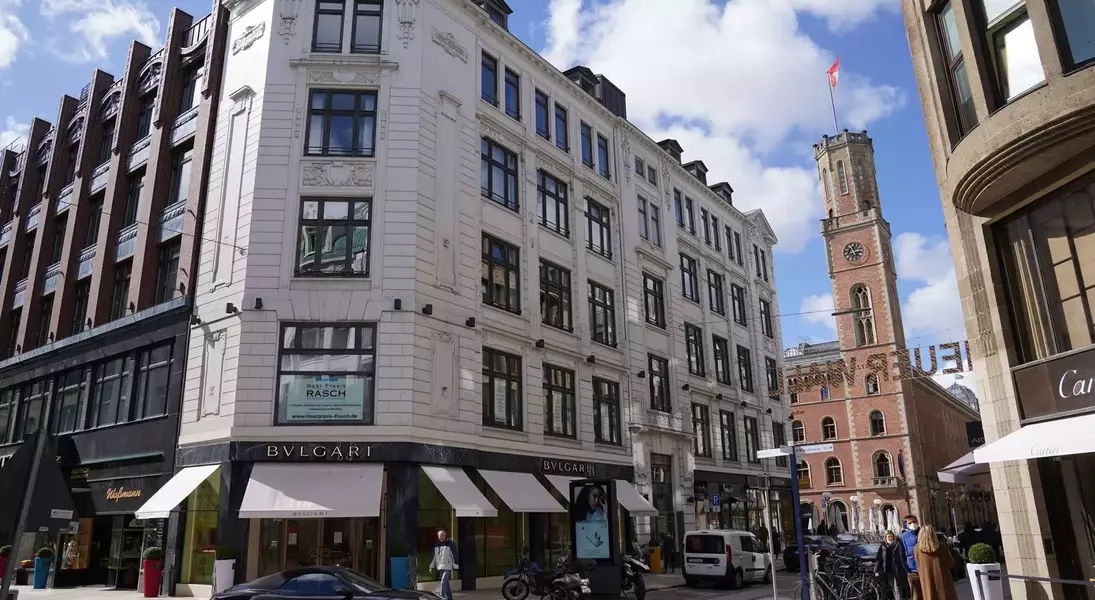
- Hamburg: The home of German 'quiet luxury,' with understated, affluent consumers who value quality and brand loyalty over trends. Neuer Wall is its discreet luxury street.
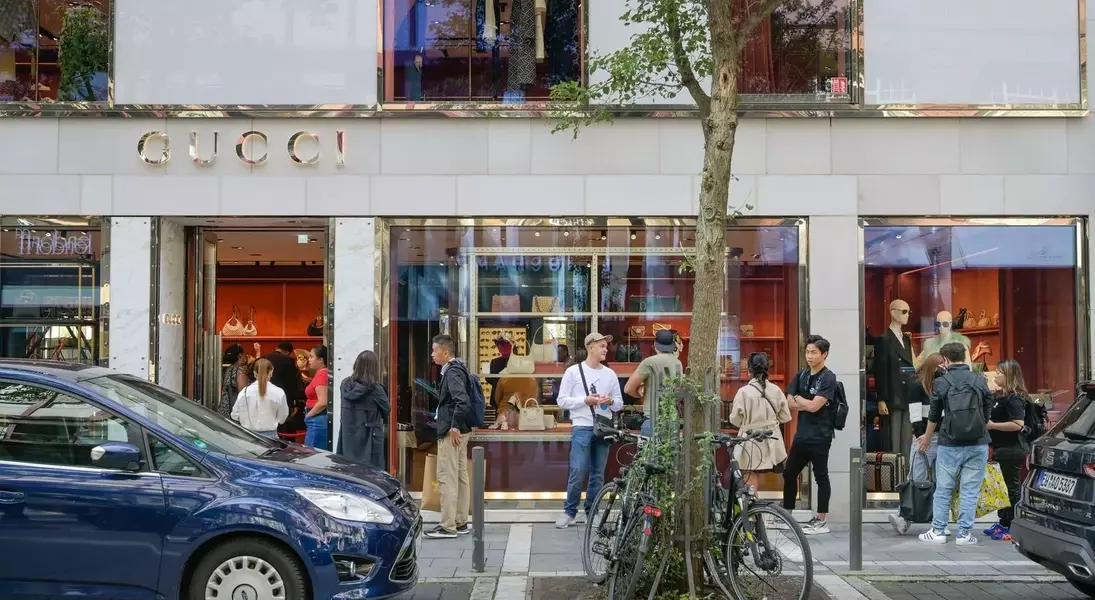
- Frankfurt: A corporate and international city, drawing affluent professionals and transient travelers who engage in transactional, occasion-driven luxury shopping on Goethestraße.
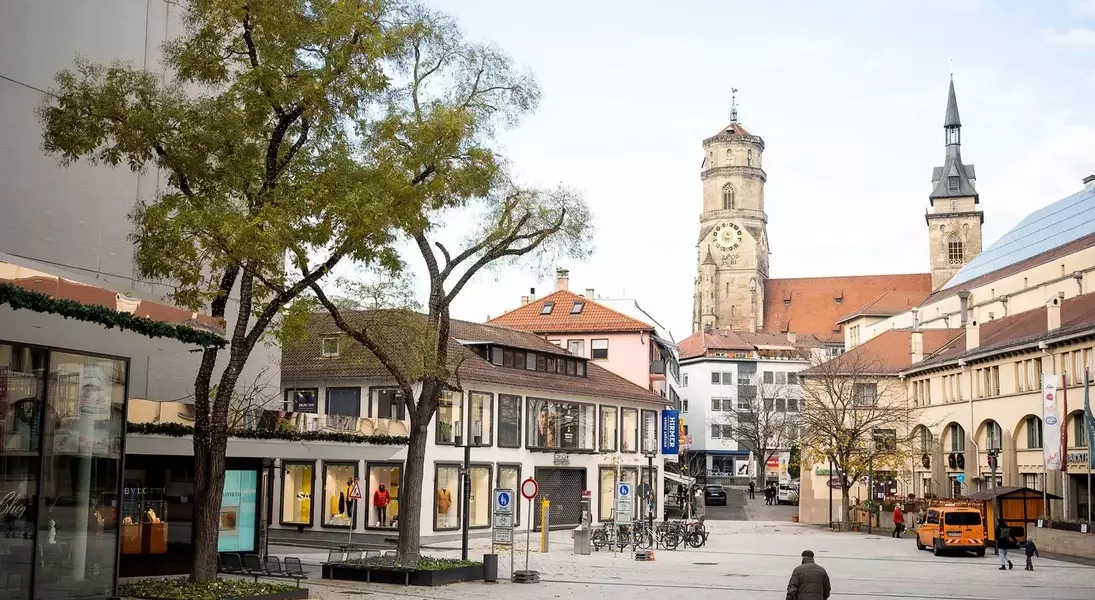
- Stuttgart: Represents Germany's 'hidden wealth,' with high-income consumers focused on quality, durability, and technical excellence, primarily shopping in areas like Königstraße and Dorotheen Quartier.
- Cologne: A creative, youthful, and community-driven city where consumers are drawn to independent brands and subcultures, with retail scattered across streets like Schildergasse and Hohe Straße.
This comprehensive overview underscores the necessity for luxury brands to deeply understand and strategically localize their efforts to effectively penetrate and thrive in Germany's diverse and discerning market.
This detailed exploration of Germany's luxury market provides invaluable insights for brands seeking to establish or expand their presence in this economically powerful yet culturally nuanced country. The emphasis on investment pieces, local loyalty, and the rising tide of experiential luxury suggest that a cookie-cutter approach is destined for failure. Instead, brands must embrace the unique character of each city and the discerning nature of the German consumer. By focusing on quality, authenticity, and creating meaningful, localized experiences, luxury brands can unlock the immense potential that lies within this complex and rewarding market. Furthermore, the growing influence of social media on younger generations signals a future where cultural relevance and identity expression will play an increasingly vital role in luxury consumption, prompting brands to innovate their engagement strategies to resonate with evolving consumer values.
