The United Arab Emirates and broader Gulf region are experiencing a pivotal transformation in their retail and fashion sectors, moving away from an exclusive focus on global luxury brands towards a robust embrace of local enterprises. This paradigm shift is fueled by a confluence of geopolitical dynamics, an burgeoning sense of regional identity, and a consumer base increasingly seeking authentic, culturally resonant products. This evolution is not merely a fleeting trend but a deeply embedded strategic realignment across media, retail, and governmental initiatives, aiming to cultivate and spotlight indigenous talent and offerings.
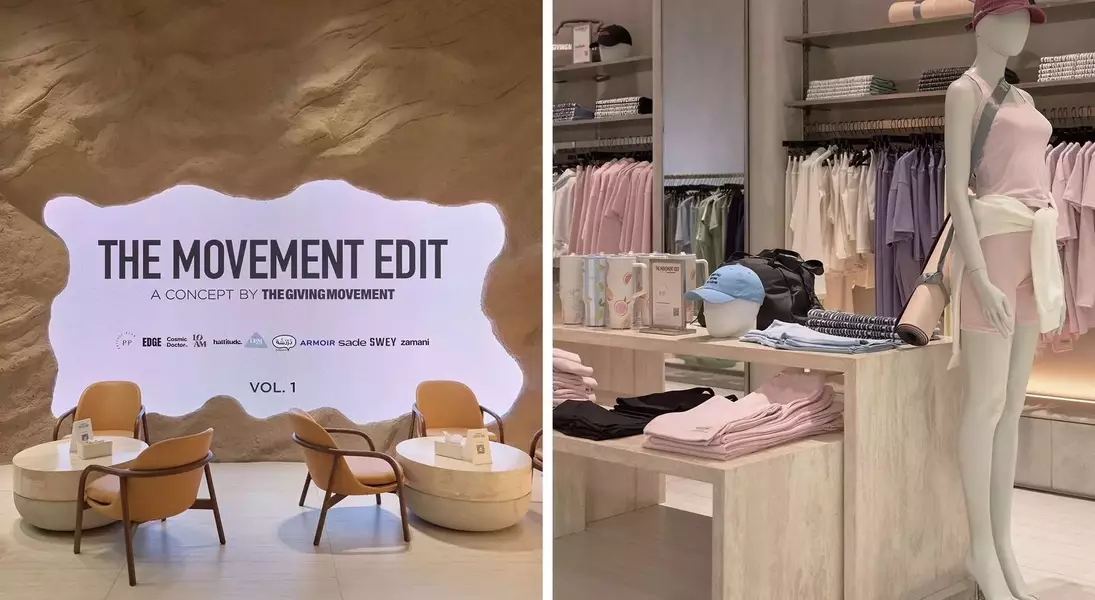
Several key players are spearheading this movement. The Giving Movement, a notable Dubai-based streetwear label, launched 'The Movement Edit' in its City Walk Mall store, curating products from local brands like skincare label Sade and headwear brand Hattitude. Similarly, The Edit Dubai, a conscious fashion destination, recently hosted a pop-up event for six UAE-based designers, offering them crucial visibility and retail opportunities. Even Vogue Arabia has initiated #BuyEatStayArabia, a comprehensive guide to local brands, restaurants, and hospitality venues, further underscoring the growing emphasis on supporting regional businesses.
On a larger corporate scale, Majid Al Futtaim, a prominent retail and leisure conglomerate in the Middle East, is actively shaping the UAE's retail future. In collaboration with Dubai SME, a division of the Dubai Department of Economy and Tourism, they've launched 'Ma'an' (Arabic for 'together'). This platform aims to integrate local entrepreneurs into their extensive ecosystem, which includes major assets like Mall of the Emirates and Vox Cinemas, demonstrating a concerted effort to formalize support for homegrown ventures.
Rania Mansri, CEO of The Giving Movement, highlights the surge in local pride as a significant catalyst. She observes that challenging times naturally foster community and mutual support, accelerating this shift towards appreciating local fashion. This sentiment extends throughout the Gulf Cooperation Council countries, including Bahrain, Kuwait, Oman, Qatar, and Saudi Arabia. Kuwait, despite its complex political environment and its status as a discerning luxury hub, sees its high-net-worth consumers increasingly turning to local brands for unique and distinctive items. Honayda Serafi, a Saudi Arabian eveningwear designer, notes a similar trend in her home country, where a younger, culturally aware demographic views fashion as a means of expressing self and belonging, making homegrown products central to the fashion narrative.
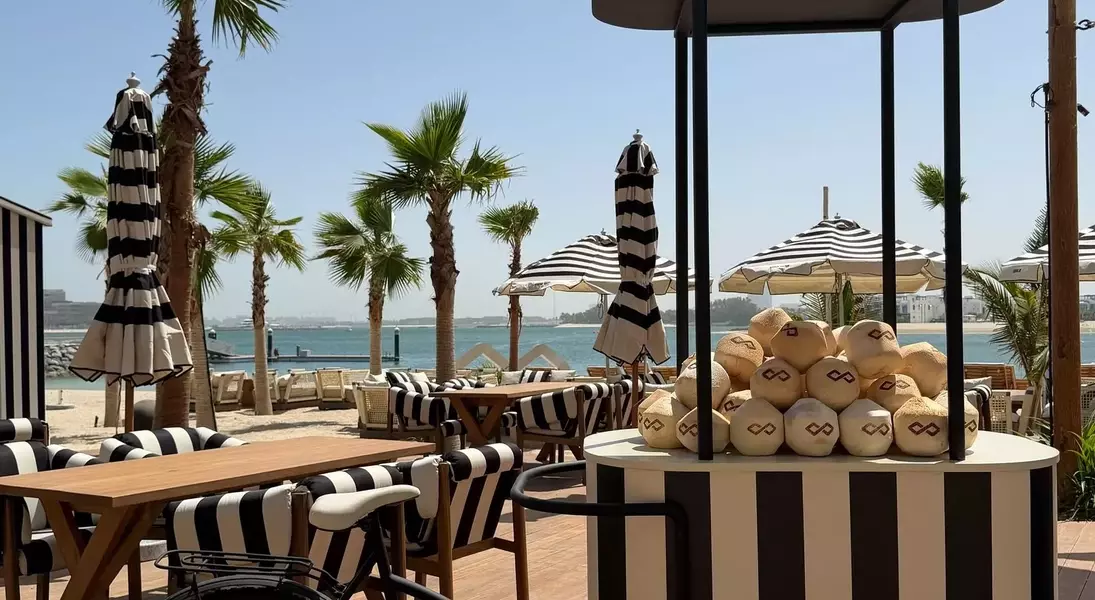
The impact of this shift is also evident in the work of designers like Reema Al Banna of Reemami. Her Palestinian heritage has profoundly influenced her design philosophy, especially following significant geopolitical events. These circumstances, though painful, brought unprecedented visibility to Palestinian designers, reinforcing the importance of cultural preservation and identity through artistic expression. Leading fashion influencer Karen Wazen, co-founder of her eponymous eyewear and jewelry brand, views the current climate as an impetus for expansion, focusing on lifestyle-led experiences such as the Karen Wazen Beach Club in Dubai and the launch of new jewelry lines. She emphasizes that regional brands are gaining deserved visibility and are now integral to the business, rather than mere add-ons.
This institutional embedding of local brands into retail strategy is further articulated by Khalifa Bin Braik, CEO of Majid Al Futtaim Asset Management. He envisions malls as evolving beyond mere commercial spaces into hubs for cultural and economic growth, predicting that the future of fashion retail in the region will be shaped by innovative local founders alongside global names. This evolution mirrors trends seen in markets like India and China, where initial demand for international luxury eventually gives way to a defined appreciation for indigenous identity, a process now rapidly accelerating in the Gulf.
Ultimately, the burgeoning success of homegrown brands is fundamentally altering the regional luxury landscape. This is not merely about market presence but about fostering deeper connections with consumers who are increasingly aligning their purchasing decisions with their cultural identity and values. The question is no longer whether these local brands can compete, but rather how profoundly they will redefine the essence of luxury in the Middle East, fostering an industry that is both globally competitive and deeply rooted in local heritage.
