
The Certified Pre-Owned (CPO) vehicle sector has seen substantial expansion in recent years, driven by increased sales of used cars and electric vehicles (EVs), as well as the enhanced longevity of modern automobiles. Automakers are responding by extending their CPO programs to cover a broader range of vehicles, including older models and various EV types. While this provides consumers with more options, it also highlights the importance of carefully examining the specific terms and conditions offered by each manufacturer. Understanding the nuances of CPO warranties, particularly regarding powertrain and comprehensive coverage, alongside additional perks like maintenance and roadside assistance, is essential for securing a favorable deal.
A critical aspect of navigating the CPO market is recognizing that not all programs are created equal. Many manufacturers now offer tiered CPO options, sometimes even certifying vehicles from other brands. This diversity requires potential buyers to scrutinize the details of each CPO contract, ensuring they comprehend what is covered, for how long, and under what circumstances. The goal is to maximize the benefits of a CPO purchase, which ideally combines the affordability of a used car with the added peace of mind provided by a manufacturer-backed warranty and support services. Thorough research and direct engagement with dealerships are key to unlocking the true value of a CPO vehicle.
The Evolving Landscape of CPO Programs
The Certified Pre-Owned (CPO) vehicle market is rapidly expanding, with automakers extending their programs to encompass older models and a wider array of electric vehicles (EVs). This growth offers consumers more varied choices but also demands a detailed understanding of each program's specific terms. For instance, Ford's Blue Advantage now includes a 'Blue Certified' tier for vehicles up to ten years old and with up to 100,000 miles, significantly broadening the scope beyond traditional CPO offerings. Similarly, Toyota introduced a 'Silver Certified' tier for older vehicles, and Honda launched 'HondaTrue Used' with no mileage limit for vehicles up to ten years old. Even luxury brands like Porsche are certifying vehicles up to 14 years old. This expansion, while beneficial for buyers seeking affordability and reliability, underscores the necessity of scrutinizing the details of each CPO program to ensure it aligns with individual needs and expectations.
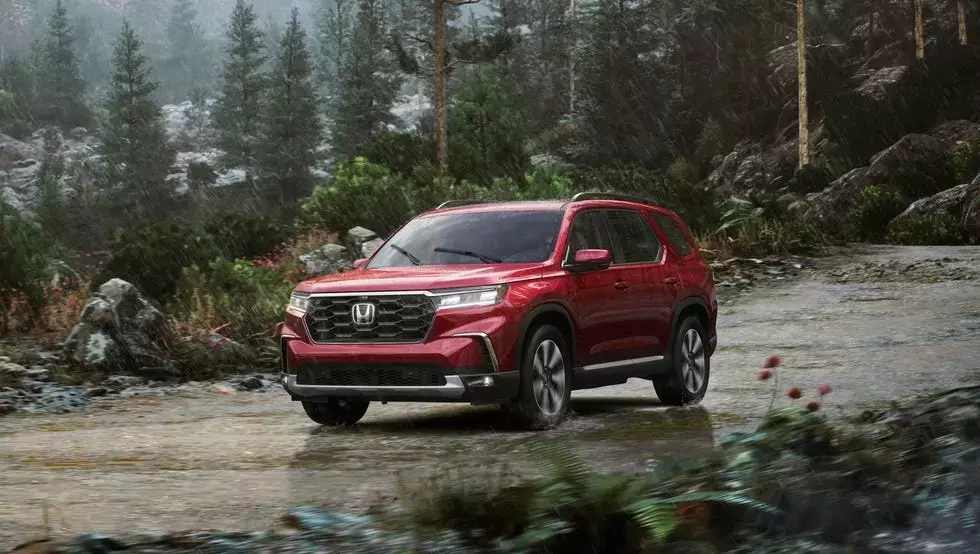
This trend of expanding CPO eligibility to older vehicles and EVs reflects a shift in consumer demand and vehicle longevity, making it crucial for buyers to be well-informed. While some programs, like Ford's Blue Advantage and Nissan's Certified Select, have begun certifying vehicles from other manufacturers, it's vital to prioritize manufacturer-specific CPO programs when possible, as they often offer more comprehensive coverage. For example, a Honda-certified Pilot is likely to provide a more extensive warranty than a Ford-certified one, even for the same model year. Furthermore, CPO programs are dynamic, with terms and tiers changing over time, as evidenced by Honda's discontinuation of 'True Certified+' and the introduction of new EV-specific programs. Buyers should always request the full CPO contract directly from the dealer, verifying manufacturer backing and thoroughly reviewing all clauses, including those for maintenance, roadside assistance, and potential transferability, to avoid relying solely on dealership-specific 'certified' claims that may lack the robust backing of a factory warranty.
Dissecting CPO Warranty Components: What You Need to Know
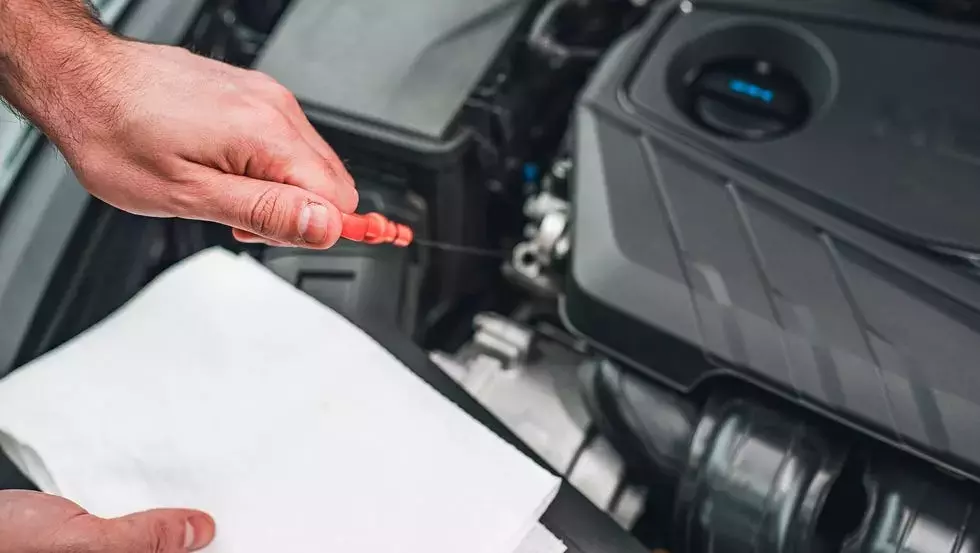
Certified Pre-Owned (CPO) warranties come with several key components, each varying in detail across different manufacturers. Typically, a CPO vehicle undergoes a rigorous multi-point inspection and a comprehensive history check, often through services like CarFax, to ensure its quality and reliability. These programs usually include limited powertrain and bumper-to-bumper warranties, which are crucial for protecting against unexpected repairs. Beyond basic coverage, many CPO offerings provide additional benefits such as short periods of complimentary scheduled maintenance, roadside assistance, and trip expense reimbursement, enhancing the overall value proposition. Furthermore, buyers often benefit from more favorable loan rates facilitated by the manufacturer's own financing arms, making CPO vehicles an attractive option for those seeking the security of a new car warranty with the cost savings of a used vehicle.
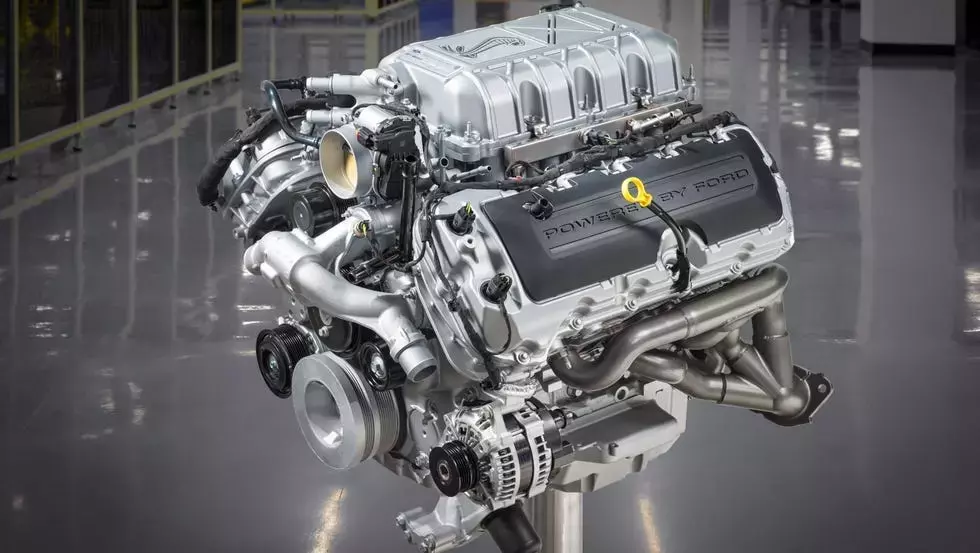
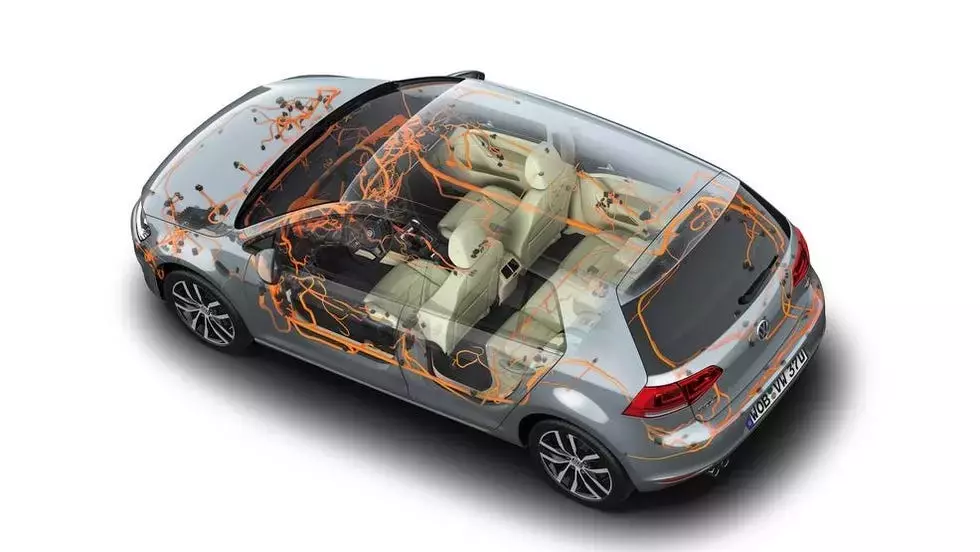
When evaluating a CPO warranty, understanding the specifics of powertrain and bumper-to-bumper coverage is paramount. Powertrain warranties, covering critical components like the engine and transmission, often supplement any remaining factory warranty from when the vehicle was new, offering extended protection from the CPO sale date. Bumper-to-bumper warranties, while generally less comprehensive than original factory coverage, typically cover non-wear items such as electronics and HVAC systems. However, buyers must be aware that wear items like tires and windshield wipers are usually excluded. It is essential to consult the warranty documentation provided by the dealer, as some manufacturers, like Lexus and Toyota, transparently list what is and isn't covered, including any deductibles. Moreover, with the rise of EVs, many brands now offer EV-specific CPO programs that provide specialized warranty terms for high-voltage components. Buyers should also investigate additional perks like maintenance schedules, roadside assistance reimbursement policies, transferability clauses, and any included digital service trials or loaner car provisions, as these can significantly impact the long-term ownership experience and financial outlay.
