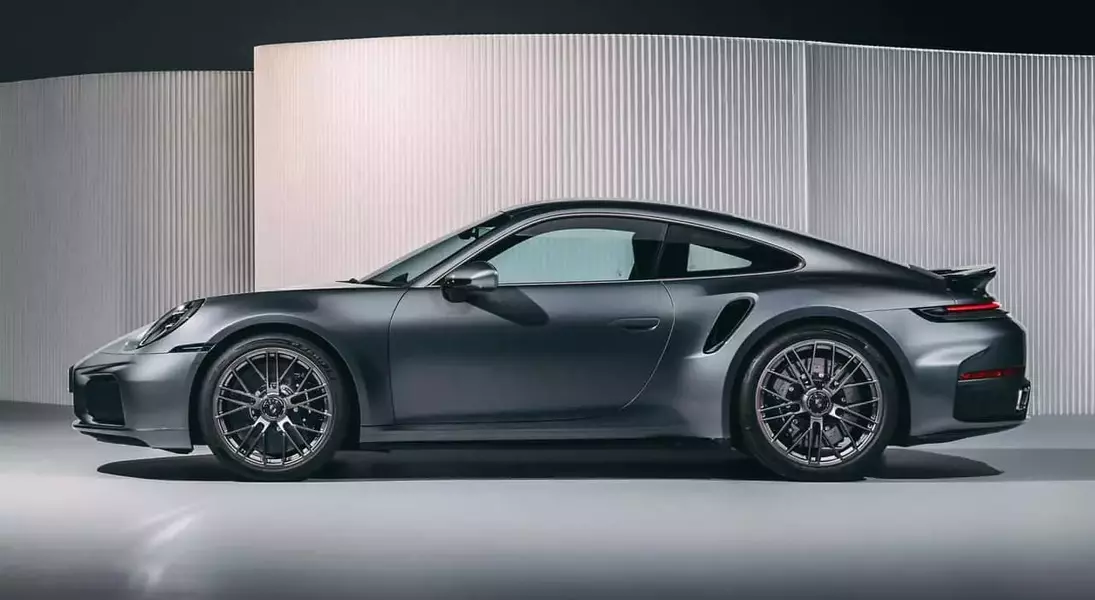
Porsche has declared that a plug-in hybrid variant of its revered 911 sports car is improbable. The core obstacle lies in preserving the vehicle's signature aesthetics and balanced weight distribution. Incorporating the necessary components for a plug-in hybrid, such as a larger battery and charging infrastructure, would demand substantial alterations to the 911's fundamental architecture, a compromise the manufacturer is unwilling to make. While the current 911 has evolved to be more substantial, safer, and luxurious than its predecessors, its electrification path will diverge from a full plug-in system.
Frank Moser, the Vice President overseeing Porsche's 911 and 718 lines, recently conveyed to Australian media his reservations regarding a plug-in 911. He emphasized that the 911 possesses a highly intricate design, and any expansion of its dimensions is deemed unacceptable. This steadfast stance underlines Porsche's dedication to the 911's iconic form factor and dynamic integrity, which they believe would be compromised by the demands of a plug-in hybrid system.
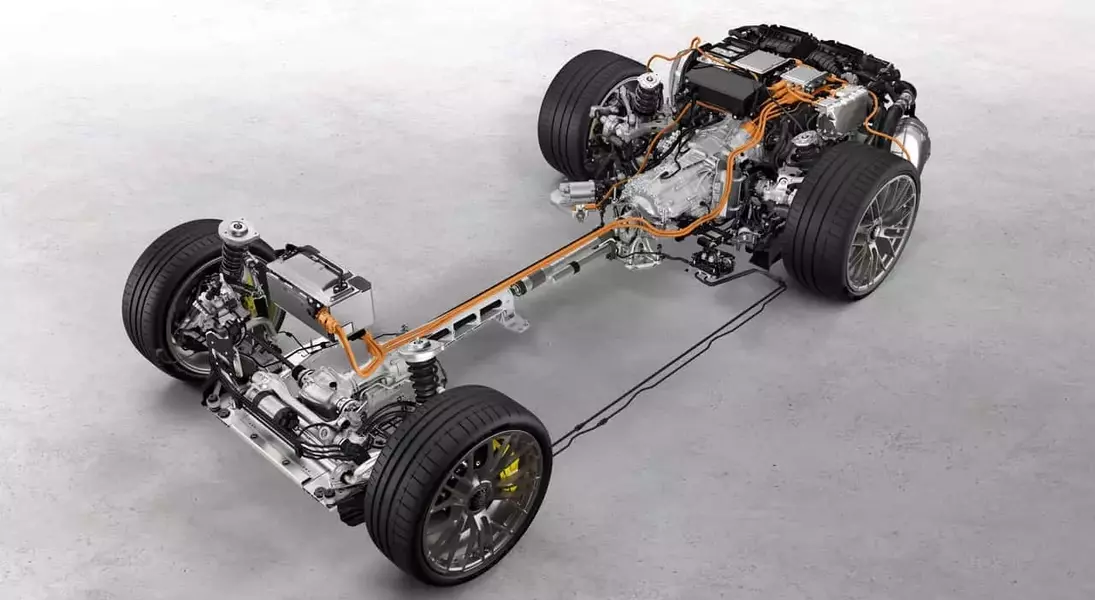
Achieving an extended electric range for the 911 through a plug-in hybrid setup would necessitate a bigger battery, a dedicated charging system, and additional hardware for purely electric propulsion. These additions would inevitably force a redesign of the car's packaging. Moser explicitly stated, 'We do not wish to alter the vehicle's overall structure, nor its weight balance, hence our decision to pursue a performance hybrid, despite the challenges of integrating all electrical elements into the existing design.'
The hybrid 911 currently employs a 400-volt battery that cleverly fits within the same space as the traditional 12-volt unit in the front trunk, thanks to its compact packaging. This demonstrates Porsche's ingenious engineering in working within stringent spatial constraints. The company remains open to future advancements in battery technology, where smaller and more efficient energy storage solutions could potentially revolutionize the possibility of a plug-in 911. Until then, the focus remains on performance hybrids.
Porsche has recently patented a hybrid system utilizing compact, lightweight axial-flux motors, ideal for meeting the brand's performance criteria. The forthcoming 2026 911 Turbo S already incorporates Porsche's T-Hybrid system, delivering an impressive 701 horsepower, making it the most potent 911 to date. This raises the question of whether a plug-in 911 with even greater power is truly necessary, especially if it compromises the vehicle's core characteristics.
The integration of a plug-in hybrid system into the Porsche 911 faces significant hurdles due to the marque's unwavering commitment to the sports car's fundamental design and performance characteristics. While the brand continues to innovate with performance-oriented hybrid solutions and explores advancements in battery technology, a fully plug-in variant that would necessitate a larger footprint and altered weight distribution appears to be off the table for the foreseeable future. The priority remains to enhance power and performance without diluting the essence of what makes the 911 a legendary automobile.
