The United States Library of Congress has recently unveiled its newest cohort of films destined for the National Film Registry. This esteemed compilation serves as a testament to the nation's cinematic legacy, underscoring the vital importance of preserving motion pictures that hold significant cultural, historical, or aesthetic value. The latest additions encompass a wide spectrum of genres and eras, from foundational silent films to contemporary classics, ensuring that a diverse representation of American storytelling endures for future generations.
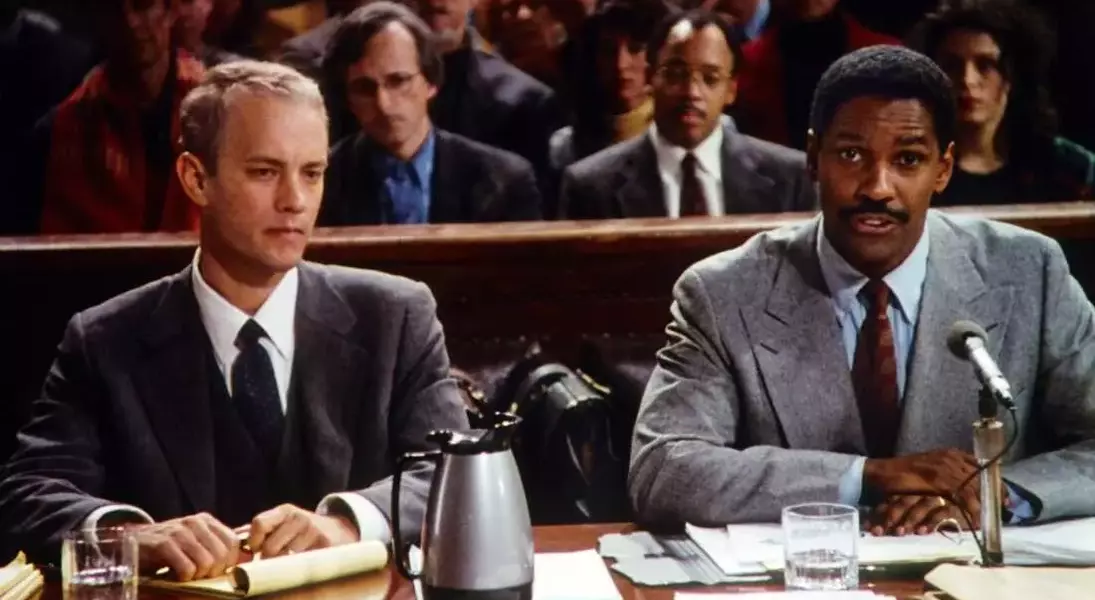
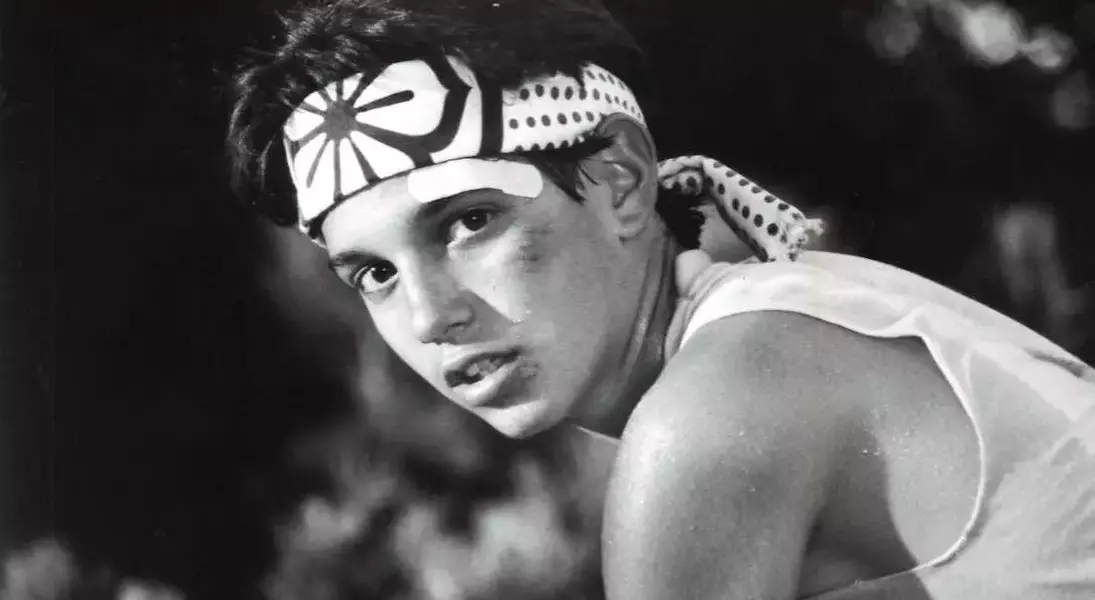
Among the noteworthy inclusions are iconic features such as 'Philadelphia,' celebrated for its poignant narrative and groundbreaking themes, the beloved 90s teen comedy 'Clueless,' which captured a generation's zeitgeist, and the enduring martial arts drama 'The Karate Kid,' a film that continues to inspire. These additions highlight the registry's commitment to recognizing works that have left an indelible mark on society and popular culture. The inclusion of these particular films reflects their lasting influence and critical acclaim.
The announcement also acknowledges the contributions of actors whose works have earned multiple spots on the registry. Bing Crosby, a prominent entertainer of the mid-20th century, sees two of his films, 'White Christmas' (1954) and 'High Society' (1956), enshrined. Similarly, Denzel Washington is recognized for his powerful performances in 'Glory' (1989) and 'Philadelphia' (1993), further cementing his status as a cinematic icon. Such dual recognition underscores the significant impact these artists have had on American film history.
A notable aspect of this year's selection is the increased number of silent films, with half a dozen joining the registry. Many of these silent treasures have either been recently unearthed or painstakingly restored, offering fresh insights into early filmmaking. Among them is 'The Tramp and the Dog' (1896), an early example of physical comedy and a pioneering commercial film from Chicago. Another significant entry is 'The Oath of the Sword' (1914), recognized as one of the earliest known Asian American films, exploring themes of longing and cultural identity. These silent era additions enrich the registry's historical depth and provide valuable glimpses into the origins of cinematic art.
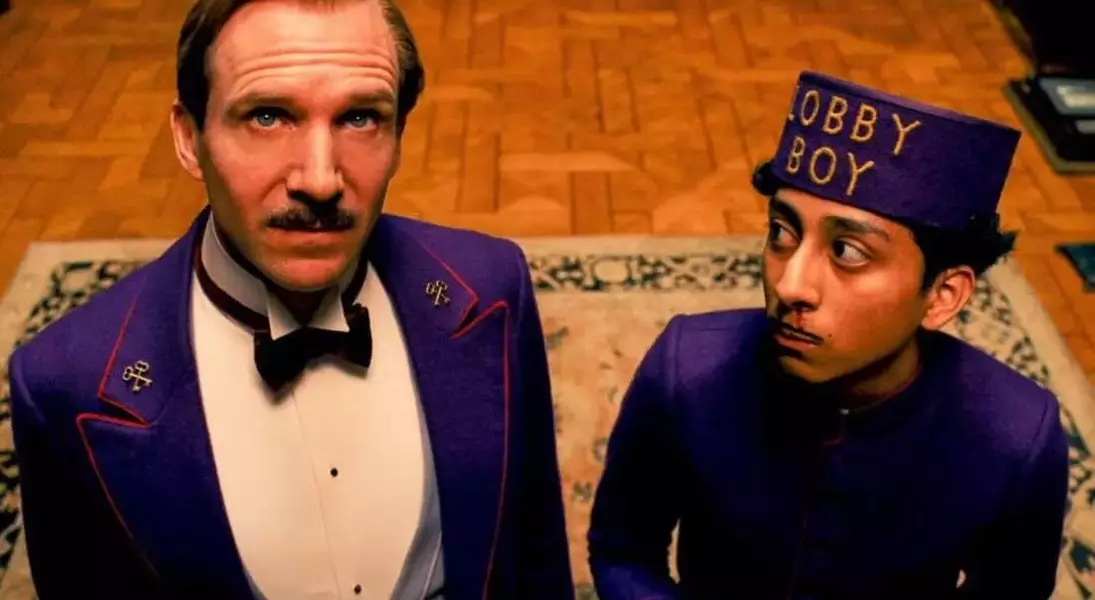
Further expanding the registry's scope are several documentaries and more recent features. Ken Burns' seminal work, 'The Brooklyn Bridge' (1981), is one of four documentaries added, illustrating the registry's appreciation for non-fiction storytelling. Contemporary films gaining recognition include the enduring Gen X classics 'The Big Chill' (1983), 'Before Sunrise' (1995), and 'The Truman Show' (1998). Director Wes Anderson's visually distinctive film, 'The Grand Budapest Hotel' (2014), also finds its place, with Anderson crediting the Library of Congress's visual archives as a profound source of inspiration for his film's unique aesthetic. These diverse selections underscore the ongoing evolution and breadth of American cinema.
The annual process of adding 25 films to the National Film Registry, initiated in 1988, is designed to ensure the preservation of cinematic works that reflect the full tapestry of American experience. While typically announced in December, the 2025 selections were revealed in January 2026, a minor deviation from the usual schedule. Nevertheless, this ongoing initiative serves as a crucial endeavor to safeguard the artistic, cultural, and historical integrity of American cinema, allowing these films to be studied, enjoyed, and celebrated by countless future generations, thereby maintaining the vibrant spirit of filmmaking alive.
