During the unprecedented global health crisis, traditional public health institutions faced an immense challenge in maintaining public confidence. Their initial, seemingly unequivocal pronouncements and directives, such as advocating for universal masking, deferring social gatherings, and closing educational facilities, were perceived by some as rigid, contributing to a sense of disconnect and disillusionment among the populace. This period inadvertently fostered an environment where alternative viewpoints, initially dismissed as fringe, gained traction as some official narratives proved to be fallible. Consequently, a significant portion of the public grew wary of established authorities, seeking credibility elsewhere.
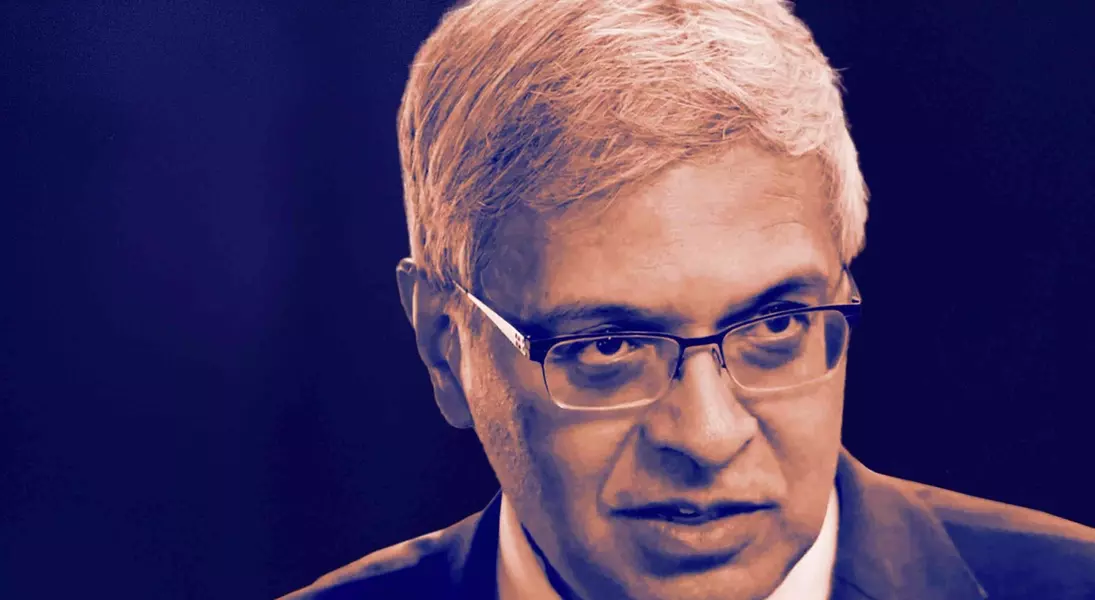
This erosion of faith has led to a fascinating paradigm shift, exemplified by the ascent of individuals once considered outside the mainstream. Dr. Jay Bhattacharya, an epidemiologist previously labeled an 'outsider,' now finds himself at the helm of the National Institutes of Health (N.I.H.). His appointment signifies a departure from conventional leadership, placing the onus on a figure known for challenging established norms to rebuild a fractured relationship between scientific institutions and the public. His primary mandate extends beyond organizational restructuring; it is to mend the deep-seated mistrust that emerged during the pandemic, proving that a non-traditional approach can genuinely restore belief in the integrity of medical science.
The current landscape demands a proactive and transparent engagement with the public, focusing on collaborative efforts that acknowledge past shortcomings while forging a new path forward. It is an opportunity to cultivate a resilient public health framework that embraces diverse perspectives, fosters critical inquiry, and prioritizes open dialogue, ultimately strengthening societal well-being and ensuring that science remains a beacon of hope and reliability for all.
