

Vanillaware's classic 2D action game, Muramasa: Revenant Blades, is finally gracing PC screens, a full 17 years after its original debut on the Nintendo Wii as Muramasa: The Demon Blade. This long-awaited release embraces the game's core mythology, centered around the legendary cursed swords crafted by Muramasa. With a staggering 108 unique blades, each imbued with a distinct skill, the game cleverly integrates the superstition that these swords demand bloodshed by allowing their abilities to be transferred only after they've been sated in combat. The PC version introduces a significant rebalancing, particularly to the skill system, which now empowers players with expanded tactical options. Unlike its predecessors, which often funneled players towards a few overpowered late-game weapons, this definitive edition encourages experimentation with its vast arsenal.
The meticulous hand-drawn aesthetic, a hallmark of Vanillaware's work, retains its timeless charm while receiving a high-definition upgrade for modern displays. Beyond visual enhancements, the game's combat mechanics have been refined. Enemies no longer scale with player level, instead featuring fixed power levels in different areas, rewarding strategic exploration and challenging players to adapt their approach. This change, coupled with a more dynamic skill assignment system, transforms Muramasa: Revenant Blades from a hack-and-slash into a nuanced action RPG that demands fluid, offensive combat. The developers hope that the success of this PC port will pave the way for future Vanillaware titles to reach a broader audience, dispelling any lingering myths about their games' exclusivity.
The Cursed Legacy: Muramasa's Blades and Enhanced Combat
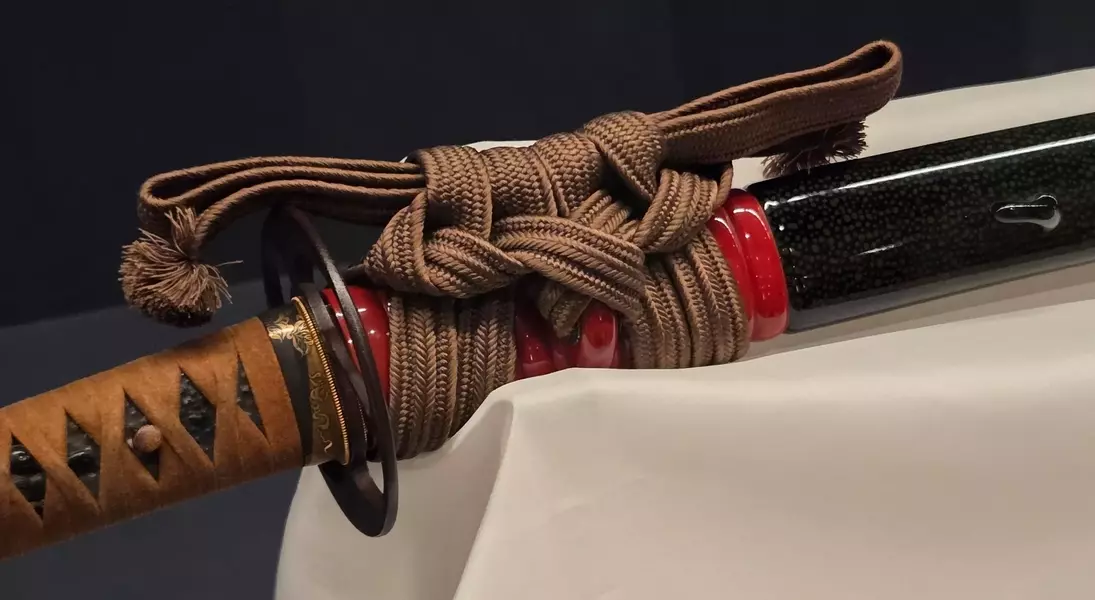
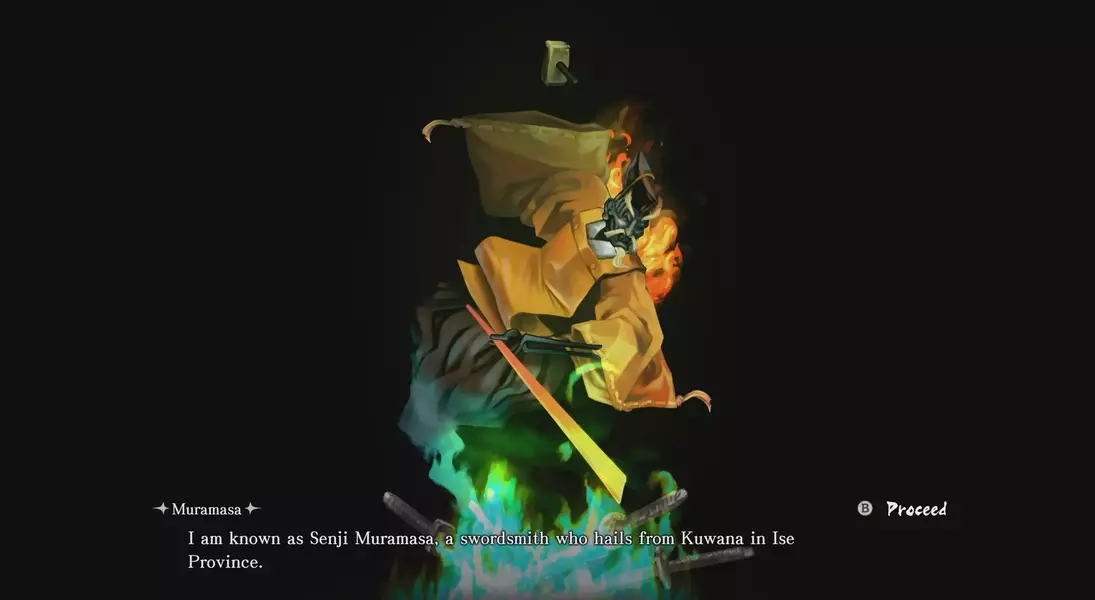
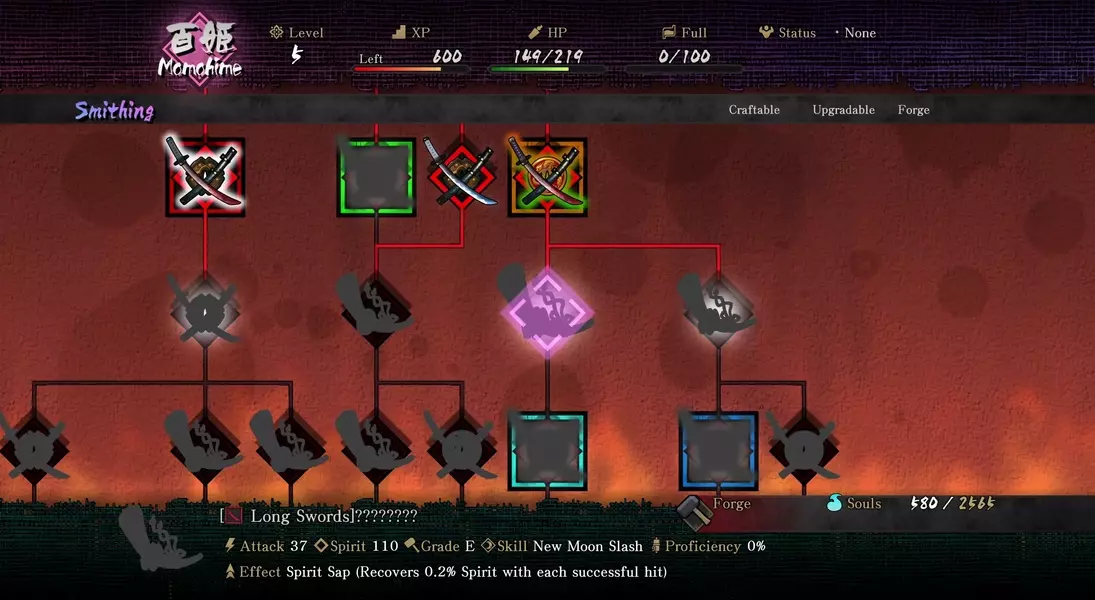
The Japanese Sword Museum deliberately omits the name Muramasa, a swordsmith whose blades, though historically significant, are shrouded in tales of a curse. Muramasa: Revenant Blades, however, celebrates this dark legacy, making it central to its gameplay. The game features an impressive collection of 108 swords, each endowed with a unique skill. A compelling mechanic dictates that a sword's skill can only be transferred to another blade once it has been sufficiently 'bathed' in combat. As director Wataru Nakanishi explains, Muramasa himself plays a pivotal role, forging these powerful yet demanding weapons, creating a symbiotic relationship where protagonists must gather souls for him. This system moves beyond simple weapon progression, encouraging players to master a diverse array of skills by switching between different blades during intense encounters.
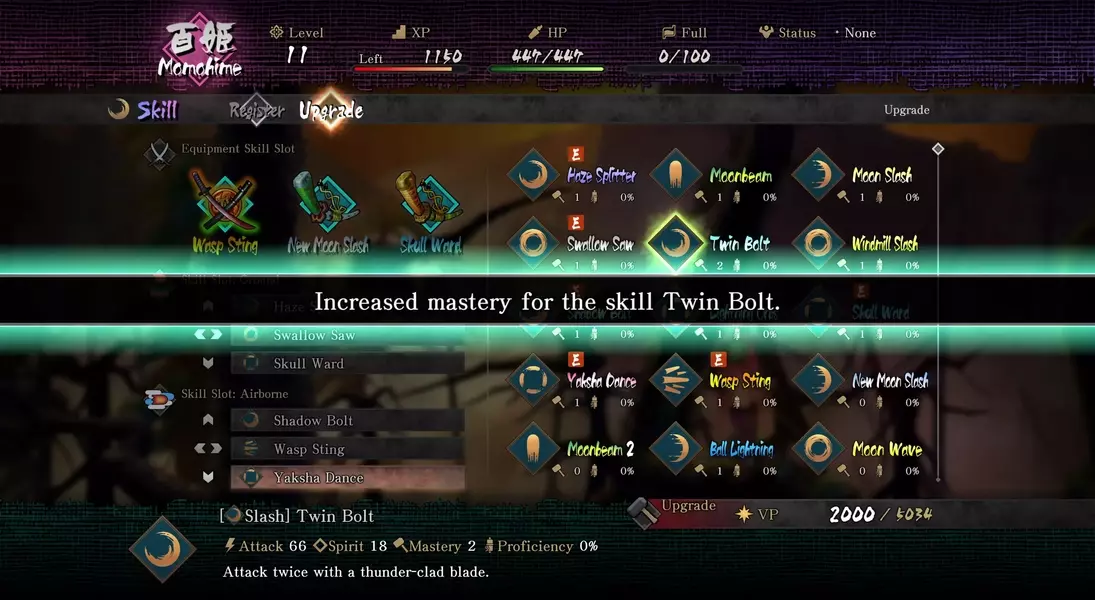
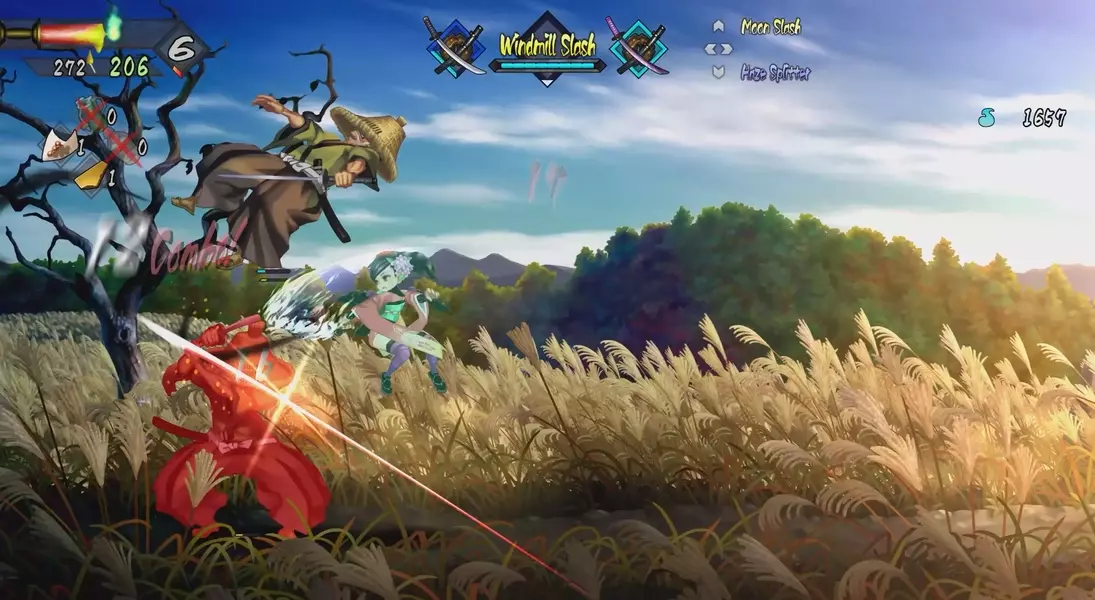
This definitive PC update significantly rebalances the combat experience. Previously, players often favored only the most potent late-game swords, limiting strategic depth. Now, the ability to equip up to three ground and three air abilities across a trio of concurrently wielded blades dramatically expands tactical possibilities. The game's difficulty has been recalibrated, with enemies in various regions having fixed power levels, fostering a more challenging and rewarding exploration. Players must abandon defensive tactics, as blocking too frequently will break their swords, leaving them vulnerable. Survival hinges on executing fluid combos and strategically swapping weapons to maintain offensive pressure, allowing for spectacular chains of attacks that can clear groups of adversaries with ease. This refined system transforms the game into a more engaging and skill-based action experience.
Visual Artistry and Future Ambitions on PC
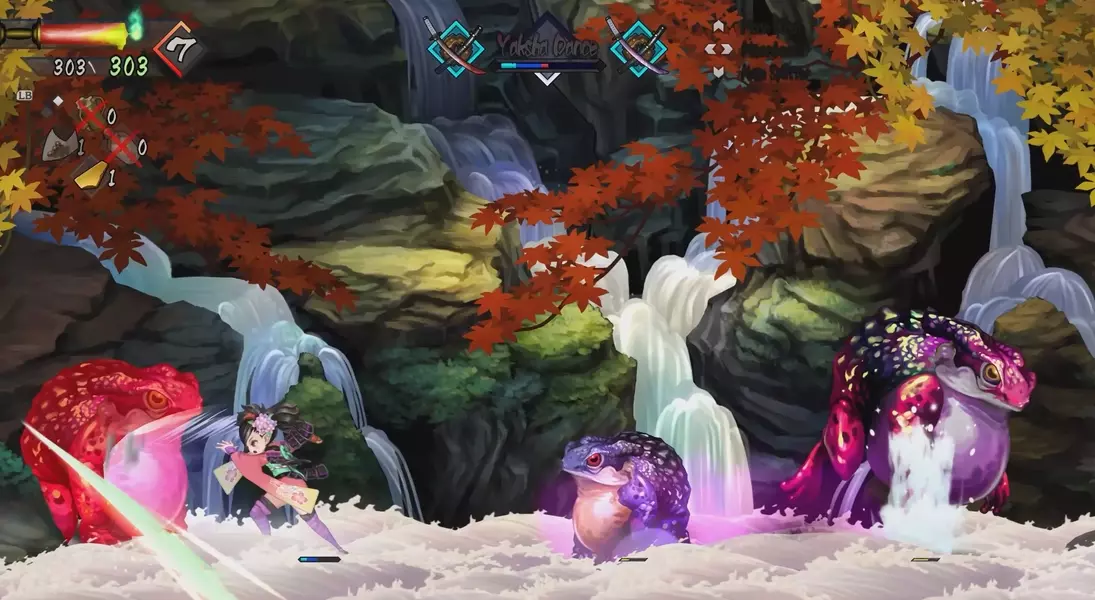
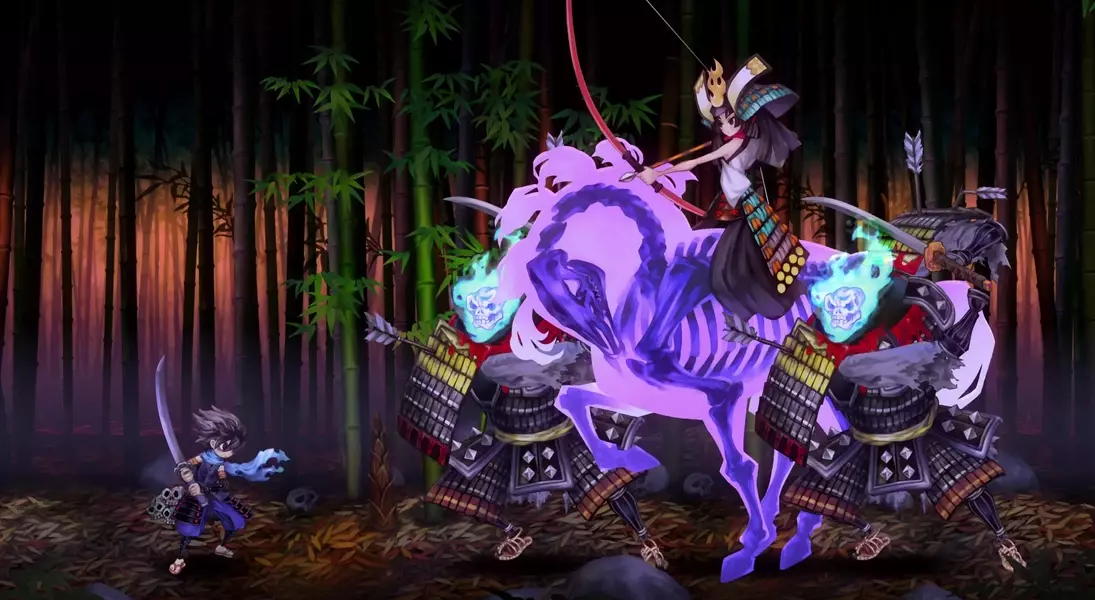
Muramasa: Revenant Blades stands out with its gorgeous, painterly 2D art style, which, despite its timeless appearance, required extensive effort to adapt for modern high-definition displays. Director Nakanishi revealed that while some assets were usable, many required artists to meticulously extract and hand-touch them up from the original game to meet the demands of an HD release. This arduous process ultimately resulted in the warm, vibrant visuals that define the game, showcasing Vanillaware's dedication to artistic quality. The game's visual fidelity remains a strong draw, appearing as novel and captivating today as it did upon its initial release in 2009. The vibrant backgrounds and fluid animations create a visually rich experience that complements the fast-paced action.
The game’s arrival on PC, after years of being a console exclusive, marks a significant milestone for Vanillaware. Following Muramasa, the studio developed critically acclaimed titles like 13 Sentinels: Aegis Rim and Unicorn Overlord. The success of this PC port could open doors for these and future Vanillaware titles to reach a wider audience. Nakanishi expressed hope that Muramasa: Revenant Blades will perform well enough to generate public demand for more PC adaptations of their catalog. With its captivating art, deep combat mechanics, and a compelling narrative rooted in Japanese folklore, the PC release is poised to demonstrate the enduring appeal of Vanillaware's unique vision and potentially end the perception that their games are confined to console ecosystems.
