Adapting a cinematic masterpiece into a television series presents a unique artistic challenge, demanding a delicate equilibrium between honoring the source material and forging an independent identity. The acclaimed FX series Fargo, inspired by the Coen brothers' 1996 crime drama, exemplifies this intricate balance. The show, an anthology featuring new characters and storylines each season, endeavors to echo the original film's distinctive atmosphere and thematic depth, while also introducing novel elements to justify its existence as a standalone creation. This approach becomes particularly complex when, as in Fargo, the series intentionally diverges from the film's character roster, instead opting for a fresh ensemble in every new installment.
Noah Hawley's Fargo series masterfully blends the neo-Western motifs prevalent in contemporary television with the morally gray narratives of everyday individuals grappling with difficult circumstances, reminiscent of critically acclaimed dramas. The show infuses these elements with the Coen brothers' signature dark humor, creating a compelling and often unsettling viewing experience. Across its five seasons, the series demonstrates varying degrees of fidelity to the original film's spirit. While the first season closely mirrored the movie's events, leading to a sense of déjà vu, subsequent seasons, like the third and fifth, struck a more balanced note, incorporating original concepts while still retaining the distinctive Minnesotan accent and wintry backdrop. Season 4, however, ventured further afield with a change in setting and a more straightforward crime narrative, which some viewers felt diluted the show's core identity.
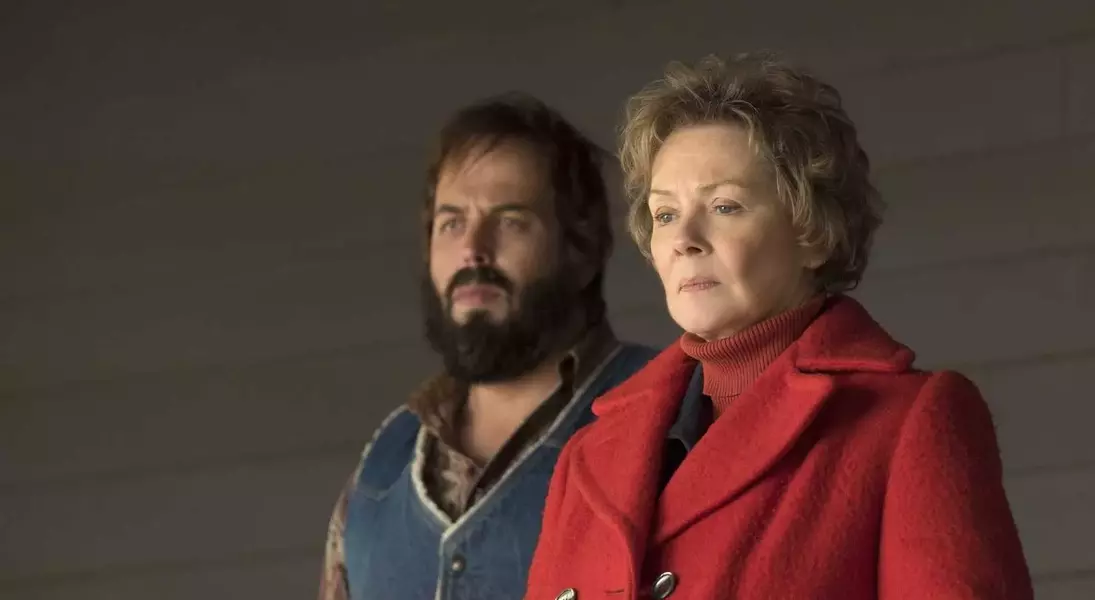
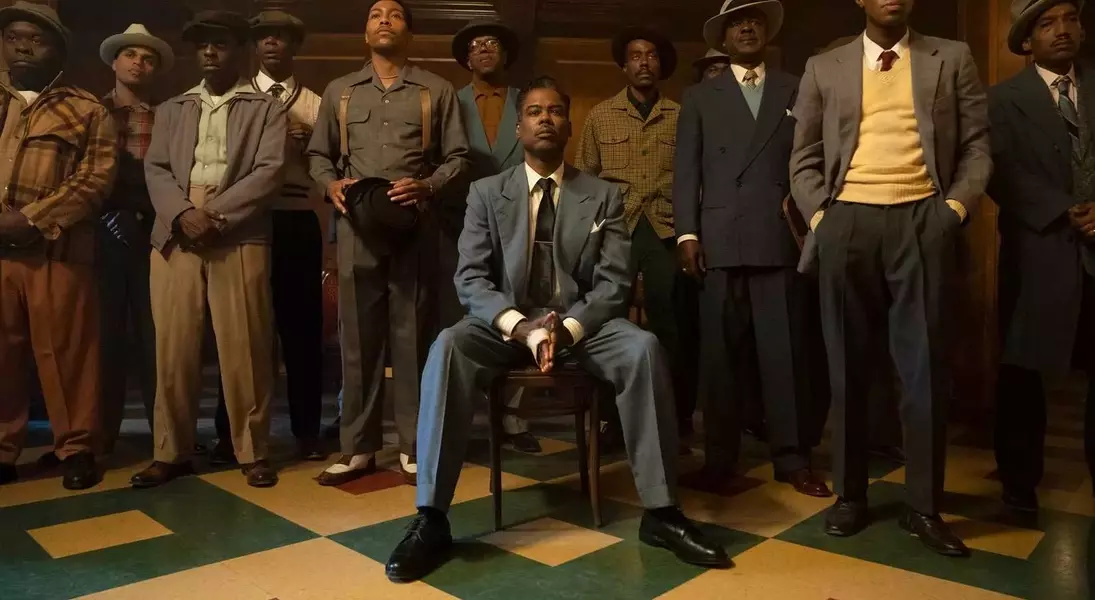
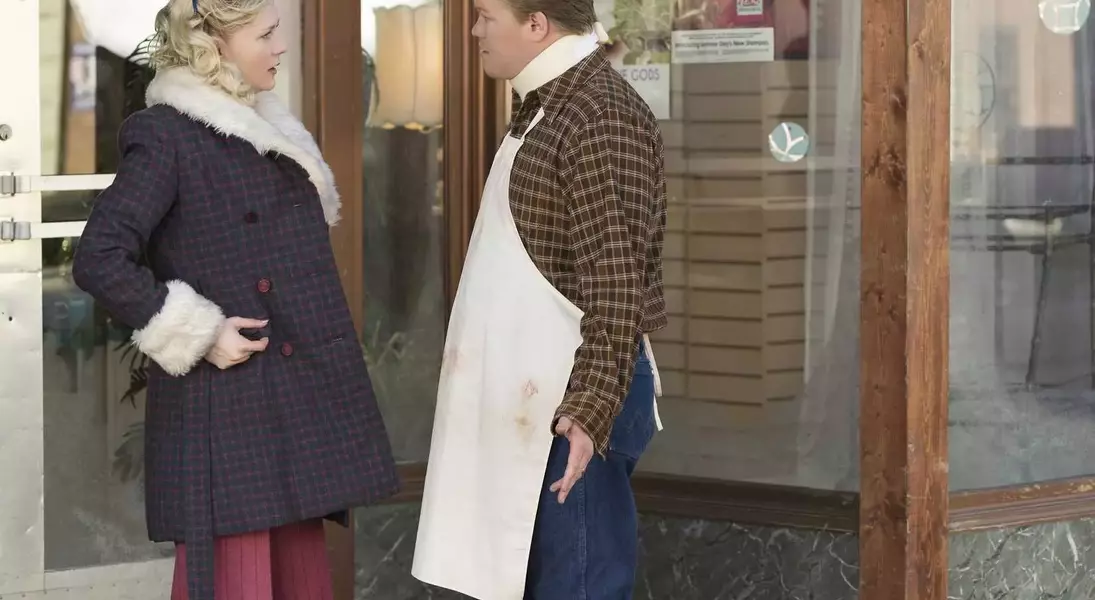
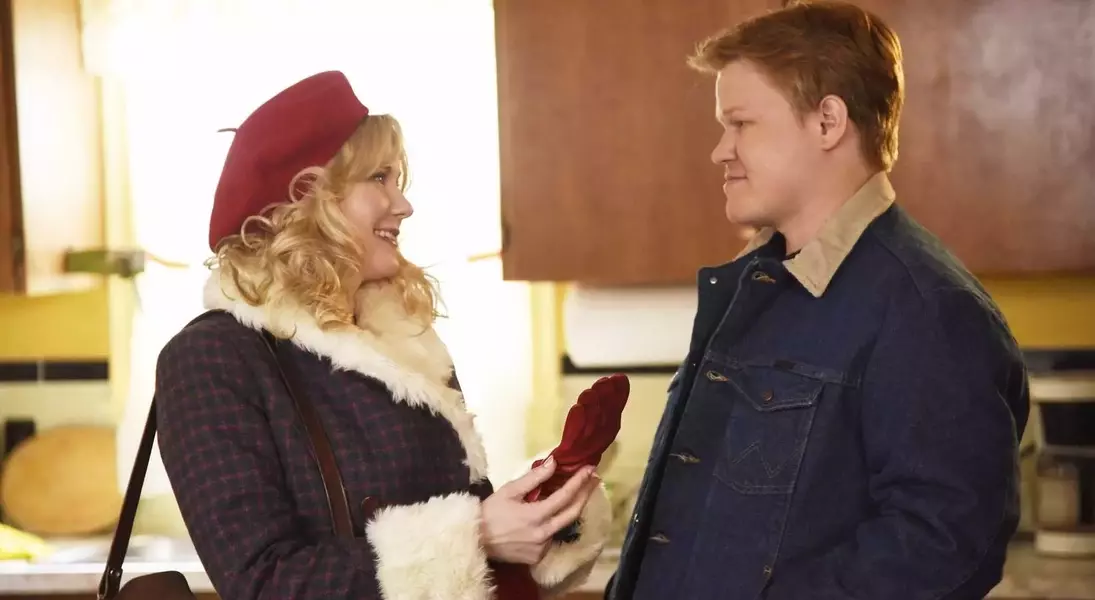
Among its various iterations, Fargo Season 2 stands out as the pinnacle of the series, achieving an optimal blend of homage and innovation. Set in Luverne, Minnesota, in 1979, this season commences with an accidental hit-and-run by hairdresser Peggy Blumquist, triggering a cascade of events involving rival crime syndicates and her desperate attempts to conceal her actions with her husband. The season is distinguished by stellar performances, particularly from Kirsten Dunst, who portrays Peggy as a strangely amoral and self-absorbed character, whose actions starkly contrast with her husband's moral compass. Supported by a strong ensemble cast, including Brad Garrett, Ted Danson, Kieran Culkin, and Bokeem Woodbine, whose character Mike Milligan became a fan favorite, Season 2 delivers a tight, ten-episode narrative that is both dark and unexpectedly humorous. Jean Smart's portrayal of the formidable crime boss Floyd Gerhardt further elevates the season, showcasing her exceptional talent. The dynamic between Peggy and her husband, with their starkly different moral perspectives, offers a fresh and engaging central conflict, making Season 2 a compelling and rewarding viewing experience, and an ideal starting point for newcomers to the series.
Ultimately, the success of a television adaptation lies in its ability to both respect its origins and carve its own path. Fargo Season 2 demonstrates that true mastery of adaptation is not merely replication, but rather an inventive reinterpretation that enriches the original universe, offering viewers fresh perspectives and captivating storytelling that resonates deeply, highlighting the enduring power of narrative and character-driven drama.
