




The annals of gaming history are rich with pioneering titles that have left an indelible mark on the industry and popular culture. Delving into the latter half of the 20th century reveals a pantheon of iconic video game franchises that not only captivated audiences but also laid the foundational bricks for future innovations. These series transcended mere entertainment, establishing new genres, introducing beloved characters, and expanding the technological horizons of their time. Across a spectrum of platforms, from early home consoles like the Nintendo Entertainment System to the powerful personal computers, these games collectively forged the interactive landscape we recognize today, proving that digital narratives and competitive play could hold a profound cultural significance. Their enduring influence continues to resonate, shaping the expectations and aspirations of gamers and developers alike.
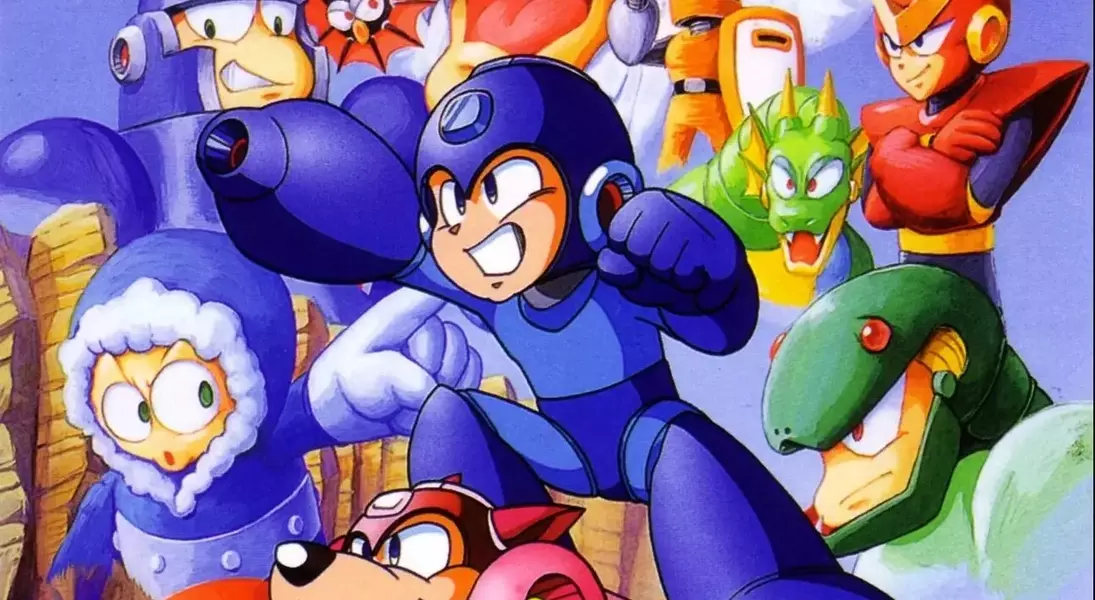
Among these titans of interactive media, the 'Madden' football series stands as a testament to the power of sports simulation. Debuting in 1988 with 'John Madden Football,' Electronic Arts forged a partnership that brought the gridiron to living rooms, offering a digital rendition of America's favorite pastime. This groundbreaking series appealed to a demographic often overlooked by fantastical narratives, building a dedicated fanbase around realistic athletic competition. Concurrently, Capcom's 'Mega Man' began its journey with a somewhat modest start before exploding in popularity with 'Mega Man 2.' This action platformer carved out a niche with its unique blend of challenging gameplay, memorable robot masters, and a continually evolving protagonist, defining a formula that would be replicated across numerous sequels and spin-offs, maintaining its charm even as gaming trends shifted.
'Castlevania,' published by Konami, introduced players to a gothic world of vampires and monster hunting. Its innovative approach to level design and atmosphere, particularly highlighted by 'Symphony of the Night,' became a cornerstone of the 'Metroidvania' subgenre, influencing countless titles that followed. Nintendo's 'Donkey Kong' series holds a special place, not only for its early arcade success but also for its revitalization with 'Donkey Kong Country,' which showcased stunning graphics and innovative platforming that pushed the Super Nintendo's capabilities. These games cemented Nintendo's reputation for creativity and quality, extending the life of their consoles and delighting players with vibrant, challenging adventures.
The horror genre found its digital voice with Capcom's 'Resident Evil.' This series transported players to the chilling Raccoon City, immersing them in a struggle against biological nightmares. Its atmospheric tension, resource management, and terrifying encounters redefined survival horror, inspiring a wave of imitators and expanding into films and other media. Meanwhile, the fighting game phenomenon was irrevocably changed by Capcom's 'Street Fighter' series, particularly with the release of 'Street Fighter II: The World Warrior.' This arcade sensation brought competitive combat to the forefront, creating a cultural touchstone that inspired tournaments, merchandise, and a host of rival franchises. The intricate mechanics and diverse roster of characters ensured its place as a genre-defining masterpiece.
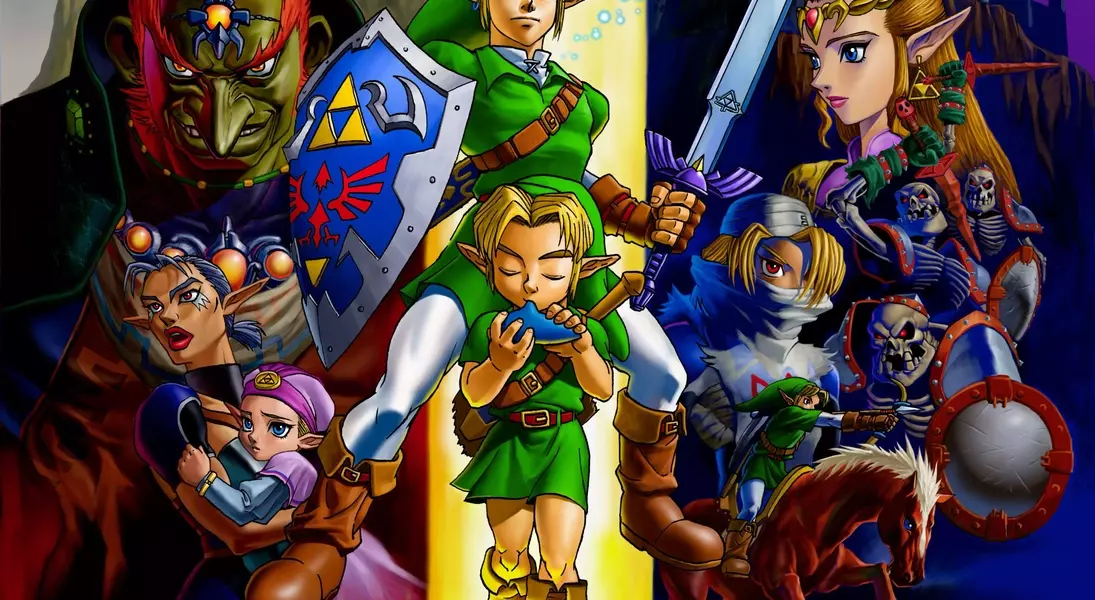
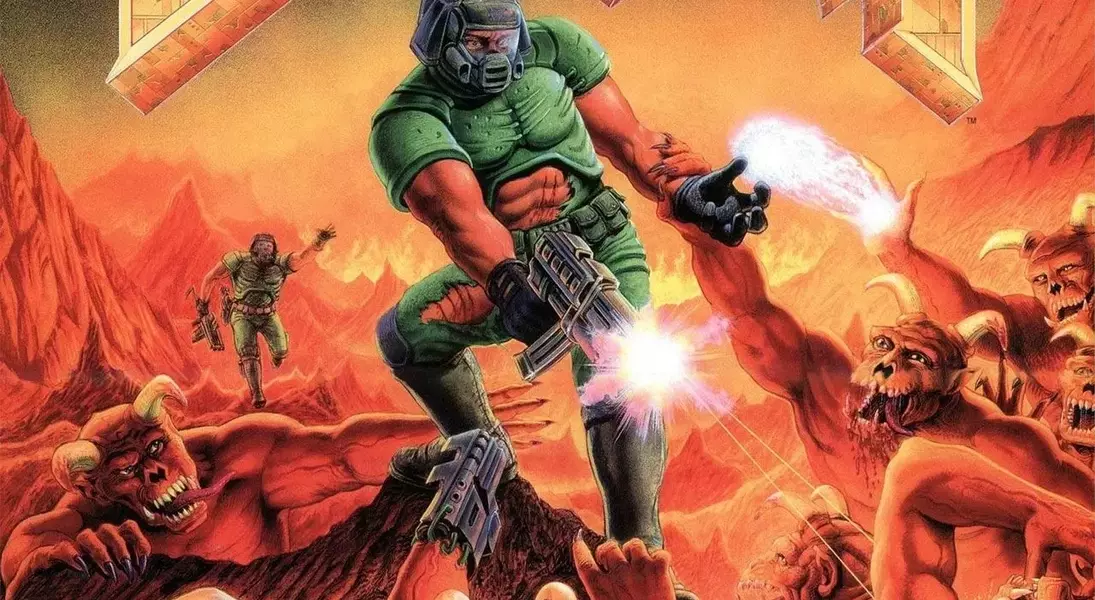
Sega challenged Nintendo's dominance with 'Sonic the Hedgehog,' a character designed to embody speed and attitude. Sonic's lightning-fast gameplay and distinct personality offered a fresh alternative to traditional platforming, sparking a legendary rivalry with Nintendo's Mario that fueled console wars and schoolyard debates throughout the 90s. Then came 'Pokémon,' a cultural behemoth that transcended gaming. Its simple yet addictive premise of catching, training, and battling creatures resonated deeply with a generation, leading to a massive franchise encompassing cards, anime, and merchandise, proving the immense appeal of collection and social interaction in gaming. Id Software's 'Doom' revolutionized first-person shooters, immersing players in a visceral battle against demonic forces. Its pioneering 3D graphics, intense action, and multiplayer capabilities set new standards for the genre, inspiring countless spiritual successors and demonstrating the raw power of PC gaming. Finally, Nintendo's 'The Legend of Zelda' series provided epic adventures rooted in exploration and puzzle-solving. Its shift to 3D with 'Ocarina of Time' was a monumental achievement, showcasing vast worlds and intricate narratives that set a benchmark for action-adventure games and cemented Link's journey as one of gaming's most cherished sagas.
These pioneering video game series of the 20th century collectively represent a golden age of innovation and creativity. Each franchise, with its unique mechanics, captivating narratives, and memorable characters, pushed the boundaries of what interactive entertainment could achieve. They not only defined their respective genres but also influenced countless future titles, establishing a rich legacy that continues to inspire developers and enthrall players worldwide. From the competitive arenas of 'Madden' and 'Street Fighter' to the immersive worlds of 'Zelda' and 'Resident Evil,' these games forged the very essence of modern gaming, demonstrating the medium's capacity for artistic expression, technological advancement, and profound cultural impact.
