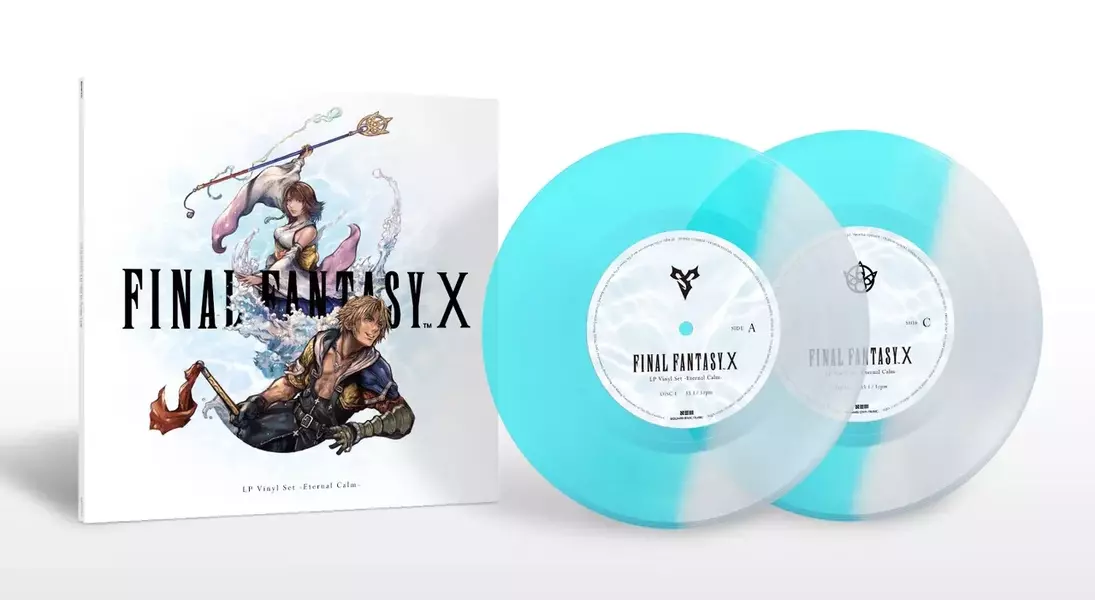

Square Enix continues to monetize its vast musical archive through innovative interpretations, such as orchestral renditions and exclusive vinyl releases. The latest venture sees the classic soundtrack of Final Fantasy X transformed into an unexpected genre: house music. Titled "Final Fantasy 10: House Grooves," this album explores the intriguing question of whether the game's often poignant and introspective themes can successfully transition into danceable tracks. While some reinterpretations, like "Phantoms," resonate well by leveraging existing atmospheric qualities, others struggle to reconcile the original emotional depth with the energetic demands of house music, occasionally leading to a somewhat dissonant listening experience. Despite these stylistic challenges, the album offers a unique and satisfying journey for fans eager to experience their cherished melodies in a fresh, albeit unconventional, light.
This bold musical experiment highlights the enduring appeal of Final Fantasy X's score while pushing creative boundaries in game music adaptation. The diverse results—from surprisingly cohesive blends to more jarring contrasts—showcase the complexity of reimagining beloved compositions across vastly different musical landscapes. Ultimately, "Final Fantasy 10: House Grooves" serves as a testament to Square Enix's willingness to engage in nostalgic pandering, providing fans with an engaging, if sometimes peculiar, auditory adventure that recontextualizes the game's iconic soundscape within the vibrant world of electronic dance music.
The Auditory Evolution of Spira: From Emotional Soundscapes to Electronic Beats
Square Enix consistently explores innovative avenues to re-engage with its extensive musical catalog, from re-orchestrations to limited edition vinyl. The recent release, "Final Fantasy 10: House Grooves," exemplifies this trend by transforming the game's iconic, often melancholic, soundtrack into house music. This bold initiative follows a similar project for Final Fantasy IX, challenging perceptions of how deeply emotional game scores can adapt to entirely different genres. For fans who grew up with the original compositions, this new album offers a fresh perspective, inviting them to experience familiar melodies through an unexpected, rhythmic lens. The project raises fascinating questions about the versatility of game music and its capacity to transcend its original context while still retaining its core essence.
This innovative musical endeavor represents Square Enix's ongoing commitment to exploring diverse interpretations of its beloved game scores. "Final Fantasy 10: House Grooves" demonstrates a willingness to push creative boundaries, transforming the game's deep, narrative-driven soundscapes into a vibrant collection of dance tracks. The album serves as a compelling experiment in genre fusion, testing the adaptability of classic melodies and rhythms. Through this project, Square Enix not only celebrates the enduring legacy of Final Fantasy X's music but also offers fans a unique opportunity to rediscover their favorite tunes reimagined for a contemporary electronic soundscape, proving that timeless compositions can continue to evolve and captivate new audiences.
Navigating the Rhythmic Transformation: Successes and Surprises
The journey of transforming Final Fantasy X's emotive soundtrack into house music yields a spectrum of results. While tracks like the reimagined "To Zanarkand" evoke a more sophisticated, lounge-like atmosphere reminiscent of upscale hotel bars rather than traditional dance floors, they still manage to blend the two styles effectively, albeit with a profound shift in emotional resonance. Conversely, "Phantoms," a track originally associated with the icy landscapes of Macalania, seamlessly adapts to the house genre. Its inherent atmospheric qualities, already familiar from vaporwave and chillwave interpretations, lend themselves naturally to rhythmic reinterpretation. This successful transformation highlights how certain compositions possess an intrinsic versatility that allows them to thrive across diverse musical styles.
However, not all transformations achieve the same level of seamless integration. Some tracks, particularly those with deeply somber origins like "Wandering"—which underscores a scene of tragic loss—struggle to reconcile their original emotional weight with the upbeat demands of house music. In such instances, the two styles can feel superimposed rather than harmoniously blended, creating a somewhat disjointed auditory experience. Despite these occasional stylistic clashes, the album largely succeeds in delivering a unique and satisfying experience for devoted fans. The remixes of more dance-friendly boss themes, such as "Fight with Seymour" which cleverly incorporates the Blitzball theme, achieve a compelling energy that, while perhaps not mainstream club material, certainly resonates with those seeking a nostalgic yet fresh take on their cherished game music. This collection ultimately serves as a delightful, if unconventional, testament to the enduring appeal and adaptability of Final Fantasy X's legendary score.
