Magic: The Gathering has cultivated an intriguing relationship with online humor, consistently bringing internet memes and beloved pop culture references to its vast collection of cards. This unique approach allows the game to blend strategic depth with lighthearted fun, delighting players who appreciate the game's willingness to embrace the unconventional. The creators, Wizards of the Coast, have become increasingly bold in pushing the boundaries of how visually amusing a card can be, integrating everything from classic cartoon characters to iconic cinematic moments. This integration extends across various expansions and special releases, ensuring that the game remains fresh and resonant with contemporary internet culture.
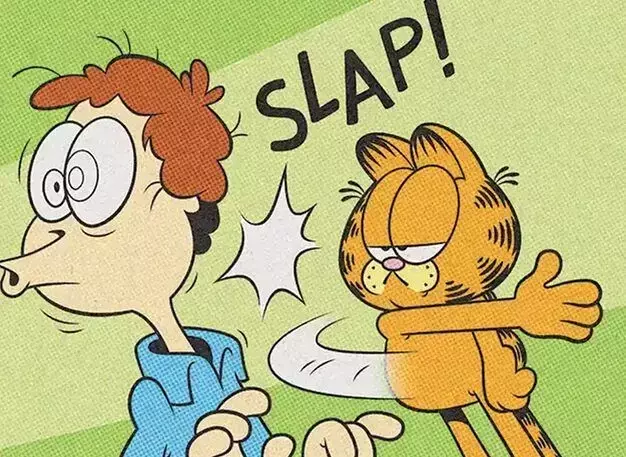
This ongoing evolution has resulted in a fascinating array of cards that not only serve a purpose within the game's mechanics but also stand as tributes to widespread online jokes. Whether these cards intentionally reference a specific viral moment or become memes through their sheer absurdity, they form a beloved part of Magic's legacy. From reimagining classic characters like Garfield in a new light to transforming famous movie scenes into card art, these playful additions consistently entertain and engage the player base, proving that humor is a powerful element in game design.
The Intentional Integration of Internet Humor
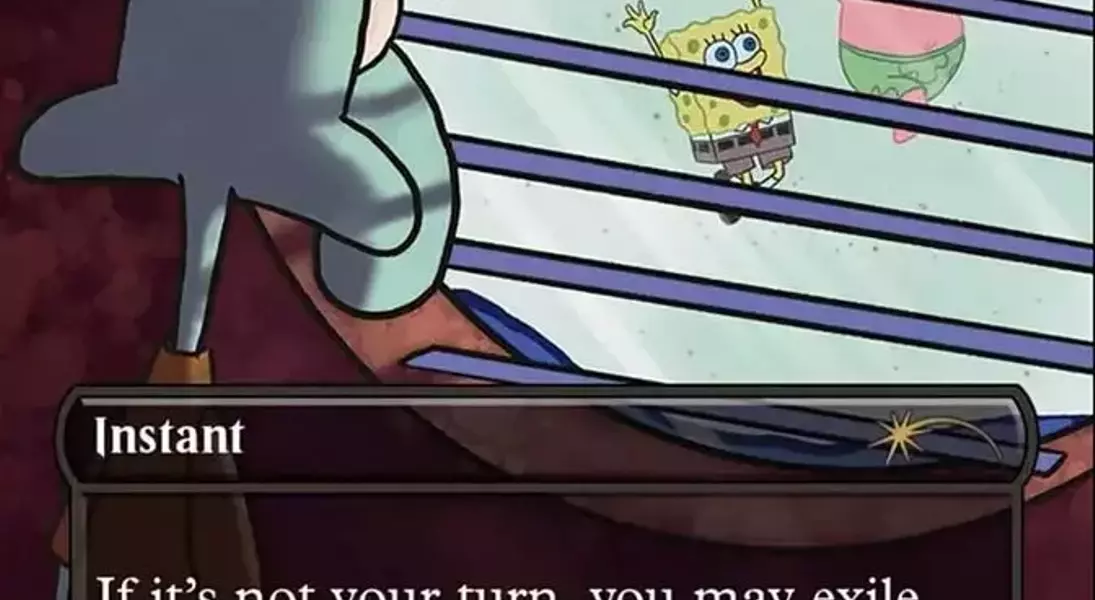
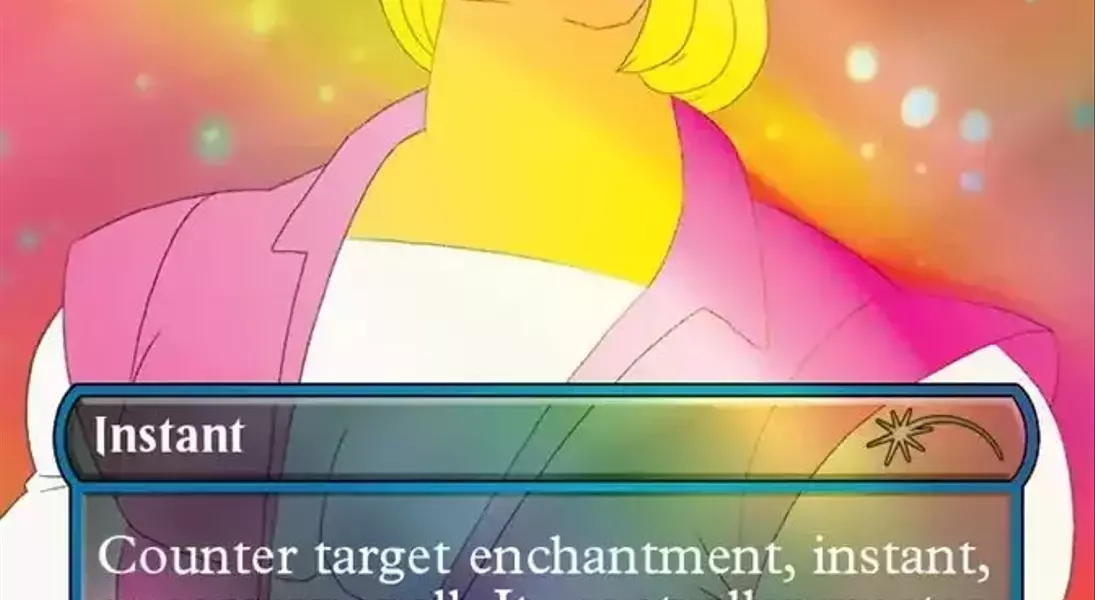
Magic: The Gathering has shown a growing enthusiasm for incorporating internet memes and pop culture gags directly into its card designs, transforming viral moments into playable game pieces. This trend is evident in various releases, such as the Garfield-themed Secret Lair drop, which humorously reinterprets classic Magic cards through the lens of the grumpy cat’s comedic persona. Another notable example is the SpongeBob SquarePants Secret Lair, which successfully translates the show's iconic internet impact into card artwork, with “Force of Despair” perfectly capturing Squidward's melancholic stare, reflecting the card’s bleak game effect.
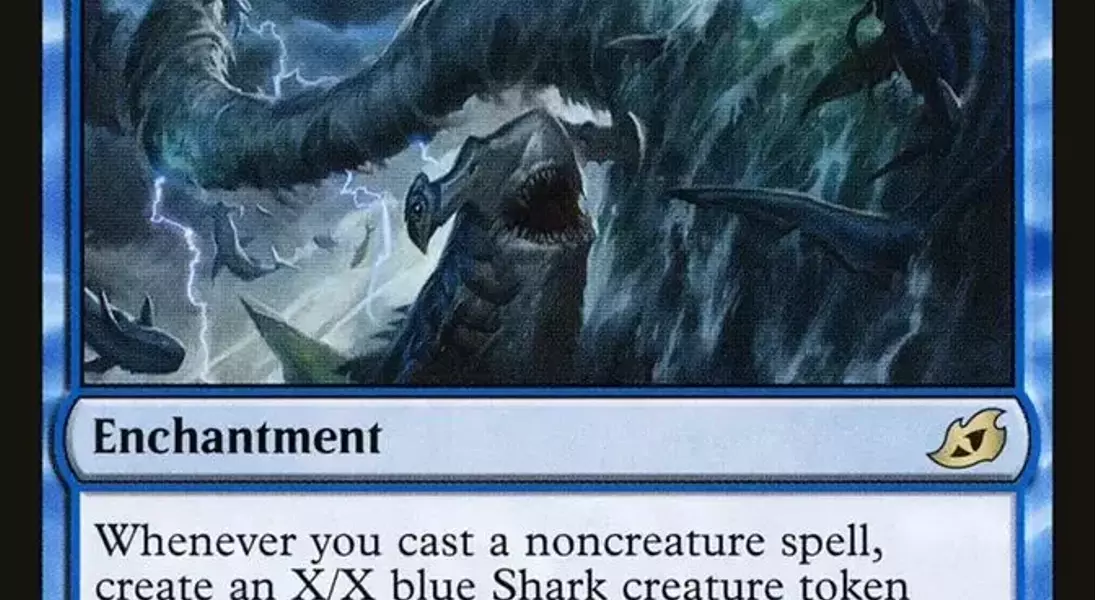
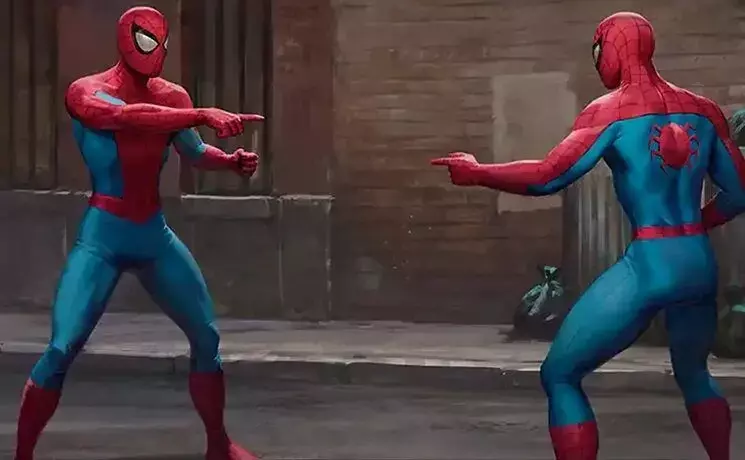
Beyond these direct references, Magic also finds ways to weave popular culture into its mechanics in more subtle yet equally amusing ways. The “Impostor Syndrome” card from the Marvel’s Spider-Man set brilliantly uses the classic pointing Spider-Men meme to illustrate a creature duplication effect, where creatures create identical copies of themselves. Similarly, “Shark Typhoon” openly embraces the absurdity of the “Sharknado” phenomenon, featuring a literal tornado composed of sharks and creating flying shark tokens. These cards exemplify Magic's strategic and playful approach to game design, where the humor is not just in the art, but also intricately tied to the card’s functionality.
Accidental Memes and Cultural Phenomena in Card Art
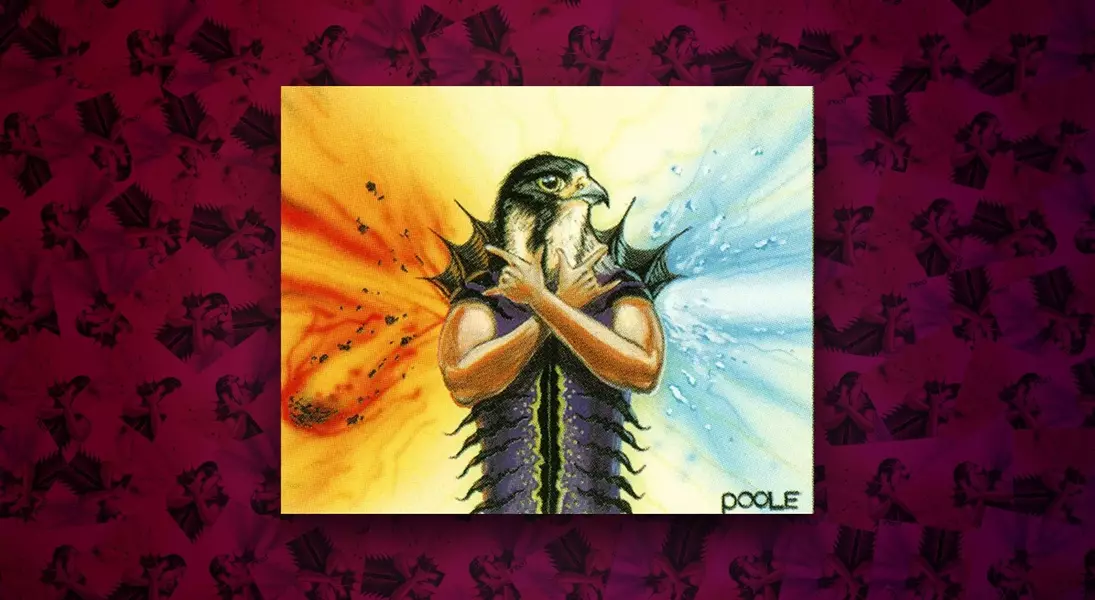
While some Magic cards are explicitly designed around pre-existing internet memes, others achieve meme status through unexpected artistic choices or quirky thematic connections. A prime example is “Indestructible Aura,” a card from 1994 whose artwork and flavor text have independently become a source of amusement. The image features a bird-like humanoid with rainbow energy and a rock-on hand sign, an aesthetic that clashes humorously with its misleading name and simple effect, creating a beloved piece of old-school Magic oddity that is seen as an accidental meme by the community.
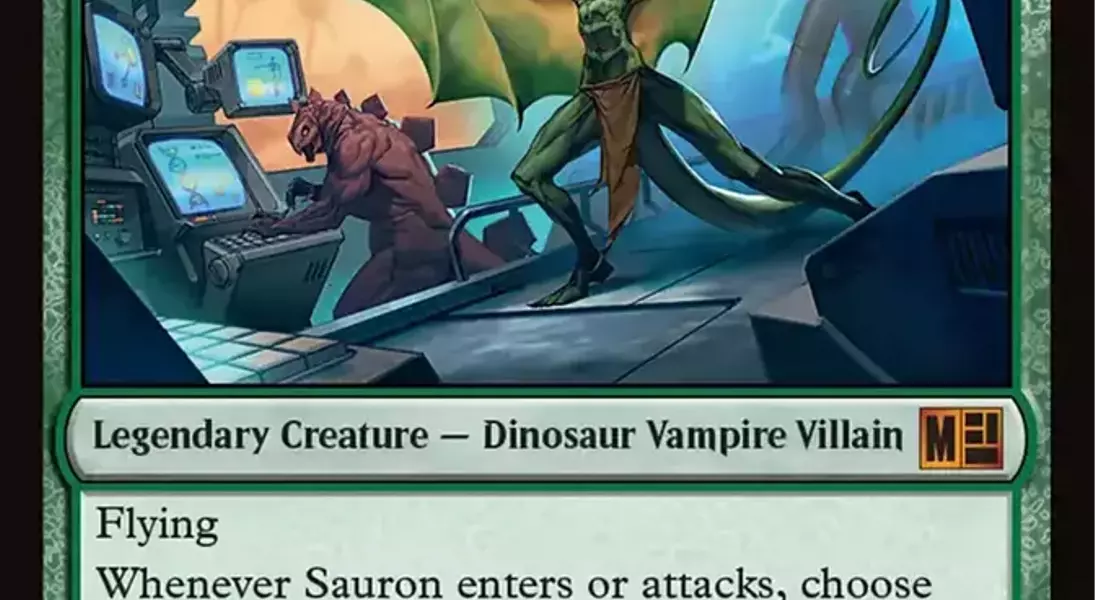
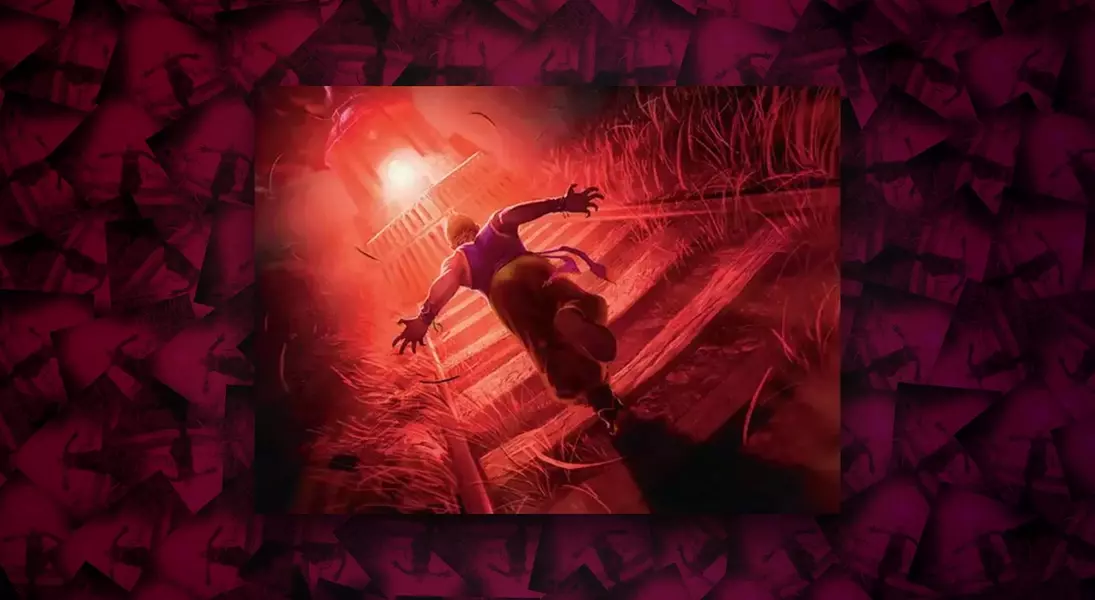
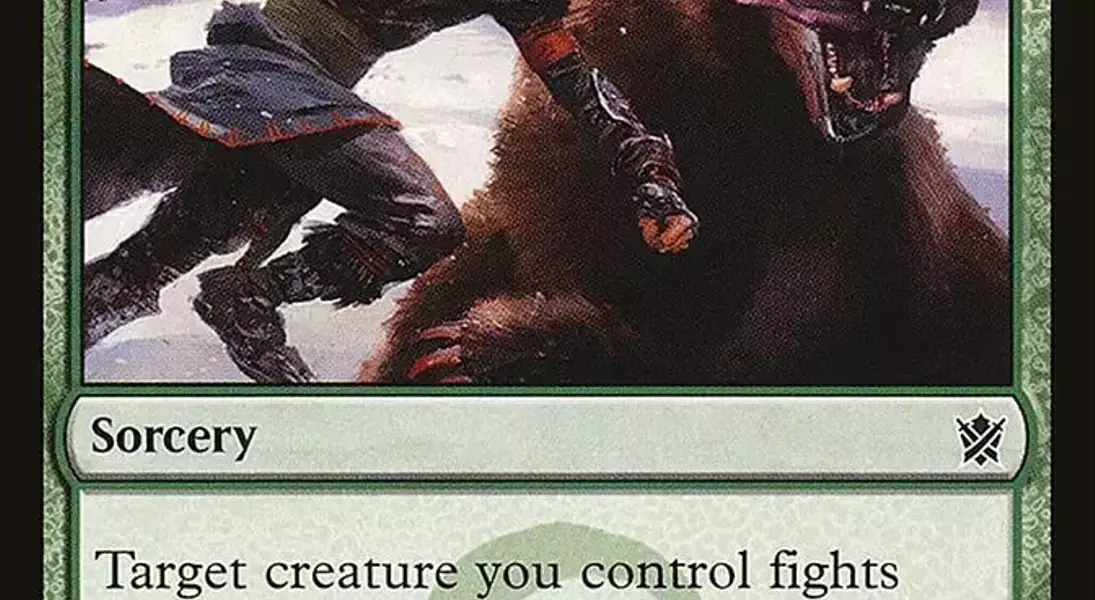
Another card, “Savage Punch,” also became a meme organically. Introduced in 2014, its artwork depicting a human punching a bear with a comically stunned expression quickly went viral among players. Despite its straightforward combat-oriented ability, the card is remembered more for its ridiculous imagery than its mechanical text, showcasing how visual humor can elevate a card to iconic status. The game also features cards like “Sauron, Dino Devotee” and “Horn of Greed,” which ingeniously adapt specific comic book panels and their ensuing internet fame into card mechanics and art, demonstrating that whether planned or accidental, humor remains a central and celebrated aspect of Magic: The Gathering's design philosophy.
