Duncan Jones' 2009 science fiction gem, "Moon," offers a poignant exploration of identity, loneliness, and corporate ethics, brought to life by Sam Rockwell's compelling performance. Following director Gore Verbinski's recent dystopian comedy, "Good Luck, Have Fun, Don't Die," which similarly delves into tech-related anxieties, this article revisits "Moon" to appreciate its lasting impact. The film, a masterclass in psychological sci-fi, resonates with the best elements of "Black Mirror" and presents a thought-provoking narrative about a lunar worker's unsettling discovery of his true nature as a corporate asset. Its minimalist yet profound storytelling continues to challenge viewers to consider the implications of manufactured identity and the dehumanizing aspects of unchecked corporate power.
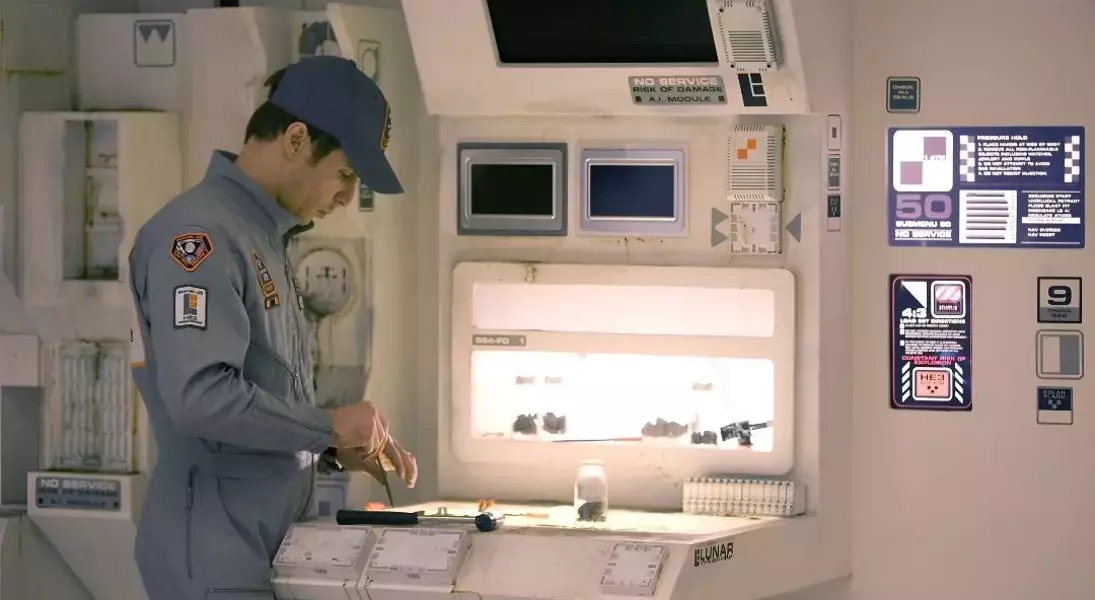
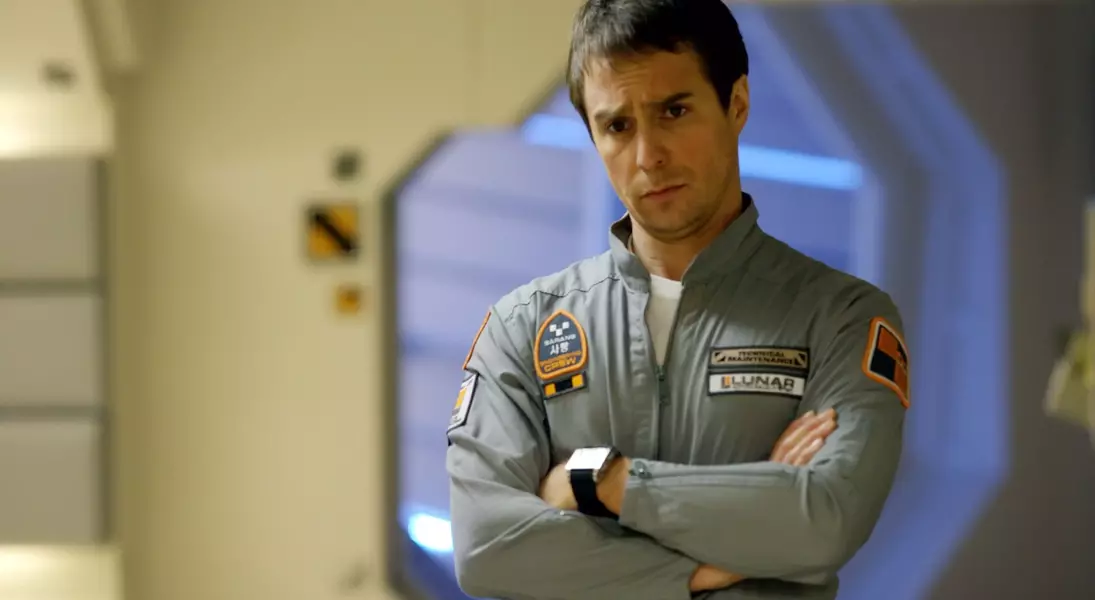
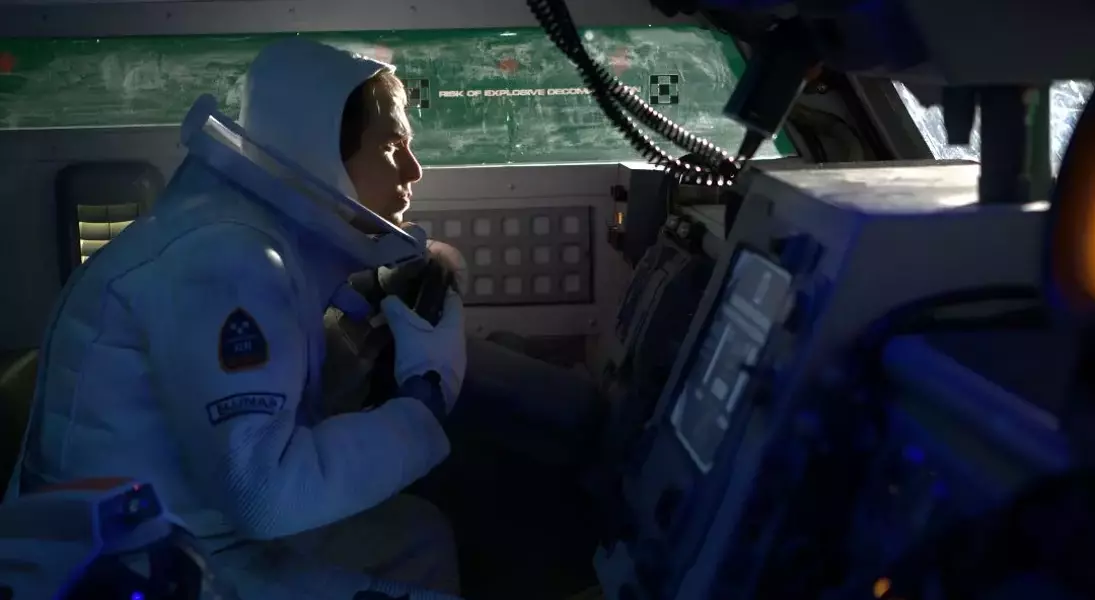
In "Moon," Sam Bell, portrayed by Sam Rockwell, is the sole human operator of Sarang Station, a lunar facility dedicated to extracting helium-3, a critical energy source for Earth. His only companion is the artificial intelligence GERTY, voiced by Kevin Spacey. Isolated from Earth, his communication limited to prerecorded messages from his wife, Tess, Sam endures chronic loneliness during his three-year mission, yearning for his return home. This mundane existence on the automated space station creates a false sense of security, which is shattered when Sam experiences a rover crash and awakens to a distorted reality, revealing his expendable status within Lunar Industries' workforce.
The film ingeniously destabilizes its grounded premise when the post-crash Sam discovers he is, in fact, a clone. This revelation leads to a tense encounter with an older version of himself, prompting GERTY to confess the truth: new clones are activated every three years, while their predecessors are incinerated. Director Duncan Jones, drawing inspiration from '70s and '80s sci-fi, aimed to depict the mundane realities of space work and the profound isolation experienced by Sam. Rockwell expertly embodies these distinct versions of Sam, subtly conveying their evolving worldviews. The initial antagonism between the clones dissolves into solidarity as they grasp their shared fate as disposable components of an indifferent corporate mechanism.
"Moon" echoes themes explored in more recent works, such as Bong Joon-Ho's "Mickey 17," where identical clones also navigate corporate exploitation. Both films emphasize the subversive power of solidarity among the exploited. Corporations, in their relentless pursuit of profit, actively prevent clones from interacting, fearing the unity that might emerge. However, when characters like Sam or Mickey encounter their identical counterparts, who mirror their own exploitation, they are compelled to rebel against the oppressive systems that perpetuate their dehumanization.
Despite its modest budget and brief production schedule, "Moon" stands as a remarkable example of science fiction that transcends its technical limitations. It provocatively questions the essence of humanity and the ethical void that accompanies the denial of personhood. Sam's fabricated identity, based on a real person but devoid of genuine memories, highlights the increasing alienation from lived experience. Each clone, while serving a predetermined purpose, possesses a subtly distinct inner world, adding layers to the film's exploration of individuality. Nearly two decades after its release, "Moon" remains a compelling and non-didactic masterpiece that encourages viewers to reflect on the moral compromises inherent in denying one's identity, even if that identity is, in a profound sense, manufactured.
