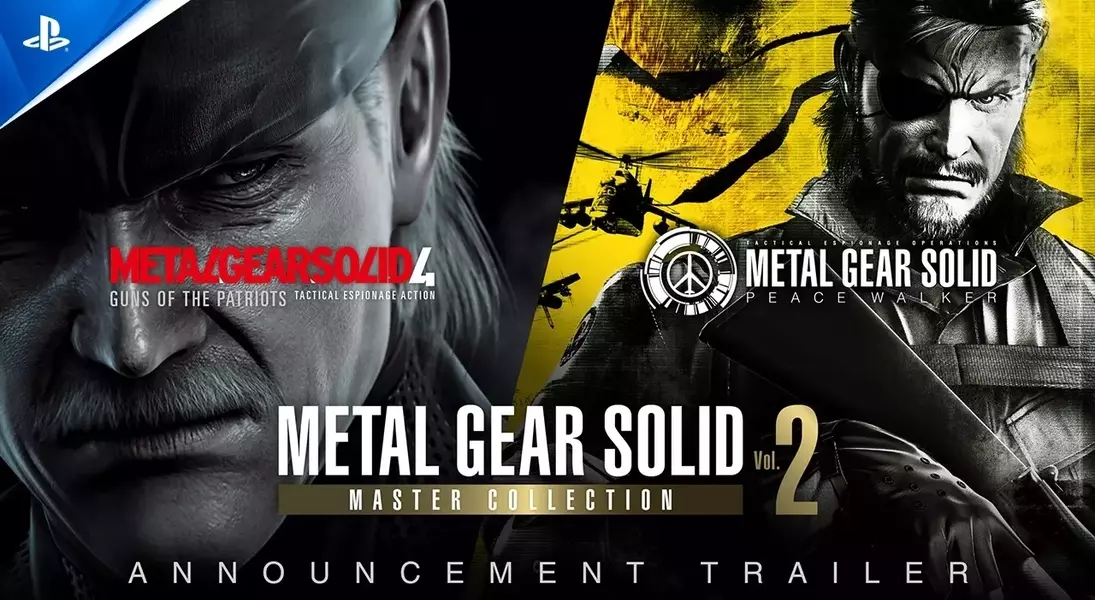
Konami's recent revelation of Metal Gear Solid: Master Collection Vol. 2 has ignited discussions among fans and critics alike. While the inclusion of the highly anticipated Metal Gear Solid 4: Guns of the Patriots is a monumental triumph, addressing a long-standing desire for its wider availability, the overall selection has left some feeling that the collection falls short of being a definitive historical archive. Alongside MGS4, the compilation features the critically acclaimed Peace Walker and the cult classic Game Boy Color title, Metal Gear: Ghost Babel. The successful porting of MGS4, a title deeply intertwined with the PlayStation 3's architecture, represents a significant technical accomplishment. However, the absence of other notable entries from the franchise's extensive catalog, particularly the innovative handheld titles, has sparked a debate about the collection's completeness and Konami's vision for preserving the series' rich heritage. Many believe a "Master Collection" should encompass a broader spectrum of Metal Gear's evolutionary journey, moving beyond just the primary console releases to include titles that shaped its innovative gameplay and narrative.
The Inclusion of Iconic Titles and Lingering Gaps
The announcement of Metal Gear Solid: Master Collection Vol. 2 during PlayStation's State of Play event brought forth the highly anticipated inclusion of Metal Gear Solid 4: Guns of the Patriots. This particular title has long been a console exclusive, deeply embedded in the PlayStation 3's unique architecture, making its porting a significant and welcome achievement for fans who have yearned to experience it on modern platforms. Complementing MGS4 are the acclaimed Peace Walker, a substantial entry that pushed the boundaries of handheld gaming, and the surprisingly engaging Game Boy Color title, Metal Gear: Ghost Babel. While the technical prowess involved in bringing these diverse titles together is commendable, particularly the seemingly impossible task of disentangling MGS4 from its original hardware, the selection's narrow focus has led to questions about what could have been. Despite the undeniable quality of the included games, the feeling persists that a comprehensive 'Master Collection' should ideally offer a more complete representation of the Metal Gear universe.
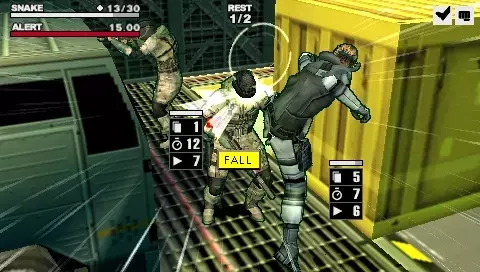
However, the collection's limited scope, featuring only three titles with two originally designed for handheld systems, leaves a significant portion of Metal Gear Solid's extensive history unexplored. During the PlayStation Portable's era, Konami and Kojima Productions produced five notable Metal Gear titles. Among these, the Metal Gear Acid series stands out as a pioneering genre-hybrid, seamlessly blending turn-based tactical combat with card-based mechanics while retaining the series' signature stealth elements. Its sequel further refined this innovative approach with an enhanced visual style and expanded gameplay. Similarly, Portable Ops, though sometimes overshadowed, was a crucial entry that introduced squad-based mechanics and the concept of recruiting enemy soldiers, foreshadowing elements that would become central to later mainline games. These PSP titles, developed by the core Metal Gear Solid team and referenced within the broader narrative, are integral to the franchise's evolution. Their omission from a collection that purports to be a 'Master Collection' is viewed by many as a significant oversight, creating a fragmented retrospective of an otherwise meticulously crafted game series. The current selection, while strong, leaves fans hoping for a future volume that truly encapsulates the entire breadth of Metal Gear's innovative legacy.
The Potential for a More Comprehensive Collection
The current offering of Metal Gear Solid: Master Collection Vol. 2, while celebrated for bringing MGS4 to a wider audience, notably omits several key handheld titles that contributed significantly to the franchise's narrative and gameplay evolution. The Metal Gear Acid series and Portable Ops, both originating on the PSP, presented innovative mechanics and expanded the lore, yet remain absent from this compilation. This selective approach, focusing primarily on mainline console entries, leaves a noticeable void for fans eager to experience the full breadth of Metal Gear's ingenuity. While the monumental effort of porting MGS4 is recognized, the label "Master Collection" implies a more exhaustive preservation of the series. The hope remains that Konami might strategically be holding back these titles for future releases, potentially in a Volume 3, where they could logically sit alongside other later-era games, thereby completing a truly definitive archive of Metal Gear's storied past. Without them, the collection feels somewhat incomplete, urging a more holistic approach to celebrating the franchise's legacy.
While there's always the possibility that Konami might have deliberately reserved certain titles for a future announcement, perhaps as an unexpected treat for fans, the current perception is that the Master Collection Vol. 2 feels somewhat sparse. This is especially true when considering the vast and varied catalog of Metal Gear games. If a third volume is indeed planned, it would logically encompass titles such as Metal Gear Solid V: The Phantom Pain, Ground Zeroes, and potentially Metal Gear Rising: Revengeance. However, the handheld titles from the PSP era, particularly the Metal Gear Acid games and Portable Ops, would fit more chronologically and thematically within a second volume, given their release dates and narrative connections. These games, despite being "non-canonical" in some discussions, are deeply ingrained in the franchise's identity, offering unique gameplay experiences and expanding on its rich universe. For a collection truly deserving of the "Master" moniker, a commitment to archiving every significant entry, regardless of platform or perceived canonical status, would be essential. Fans are left pondering whether Konami's strategy will ultimately lead to a comprehensive collection or if some crucial pieces of Solid Snake's history will remain out of reach for modern players.
