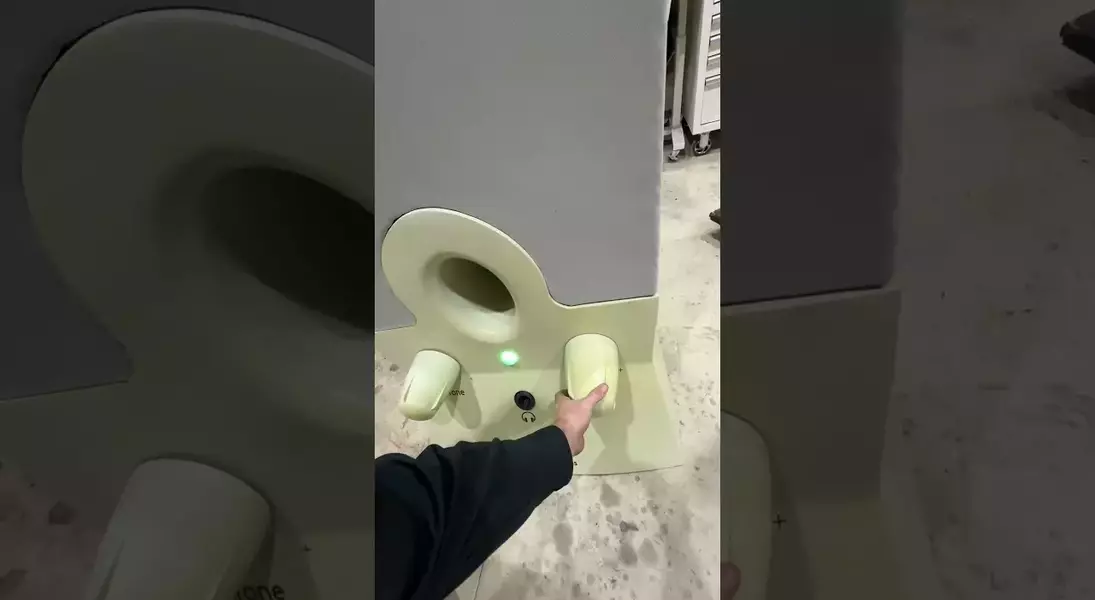
Artist Gwak has unveiled a monumental, fully functional replica of a classic computer speaker, reminiscent of the 1990s and early 2000s. This colossal creation, standing at an impressive 5 to 6 feet tall, is a homage to the iconic Harman Kardon HK 19.5 2.0 speakers. The project, which Gwak playfully described as the "world's dumbest—I mean largest—computer speaker," has garnered significant attention across social media platforms like TikTok and YouTube. The speaker features meticulously crafted details, including intentionally aged off-white sides, a functional volume knob with a satisfying click, and even a slightly peeled Goodwill sticker, all designed to evoke a powerful sense of nostalgia. The base is constructed from wood, housing a large set of operational speakers, with the exterior coated in paint and a fabric covering the front, faithfully replicating the original design.
Artist Gwak's Nostalgic Masterpiece on Display
In a fascinating fusion of retro aesthetics and contemporary art, artist Gwak has brought to life a monumental rendition of a vintage computer speaker, drawing inspiration from the ubiquitous Harman Kardon HK 19.5 2.0. This impressive piece, towering approximately 5 to 6 feet, meticulously replicates the original's every detail, from its iconic off-white patina to its tactile, clicking volume knob. The creation, which took several weeks to complete, also humorously incorporates a partially peeled-off Goodwill sticker, adding to its authentic, bygone-era charm. Gwak's work will be showcased at the ABV Gallery's nostalgia exhibit in Atlanta, Georgia, on February 21st, offering attendees a unique opportunity to experience this colossal speaker firsthand and perhaps even make a song request, further immersing themselves in a wave of retro delight.
Gwak's oversized speaker project serves as a compelling exploration of nostalgia and the emotional connection people form with technology. By transforming a common, often overlooked, desktop accessory into a monumental art piece, Gwak challenges our perceptions of value and memory. The project highlights how everyday objects from our past can hold significant sentimental weight, triggering a flood of personal reminiscences. It prompts us to consider the enduring power of design and the cultural impact of even the most humble devices, reminding us that art can be found in unexpected places and that a touch of humor can make the mundane truly extraordinary.
