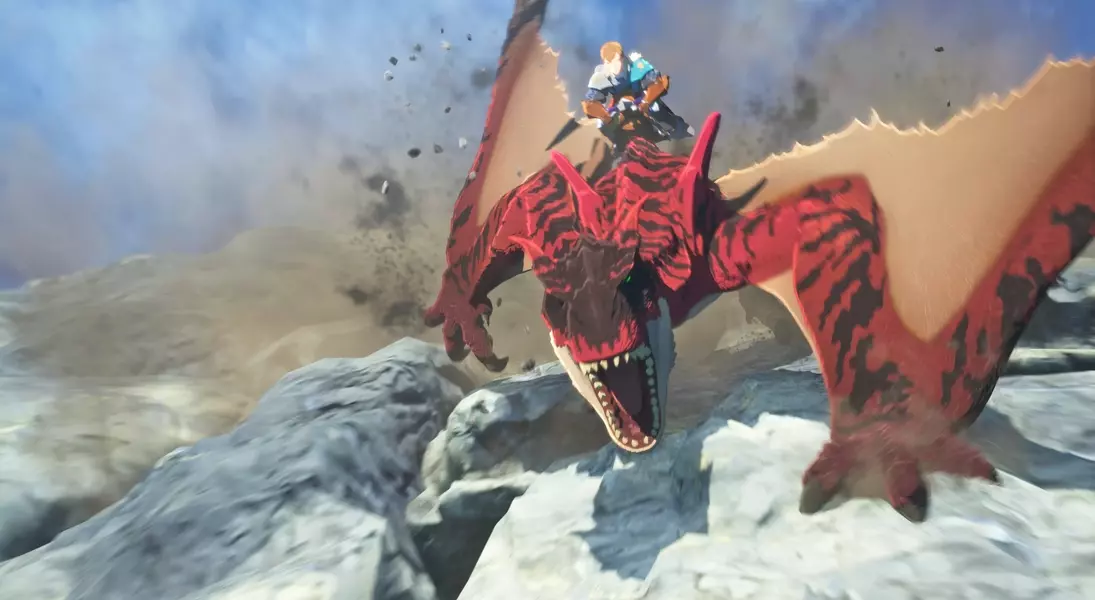
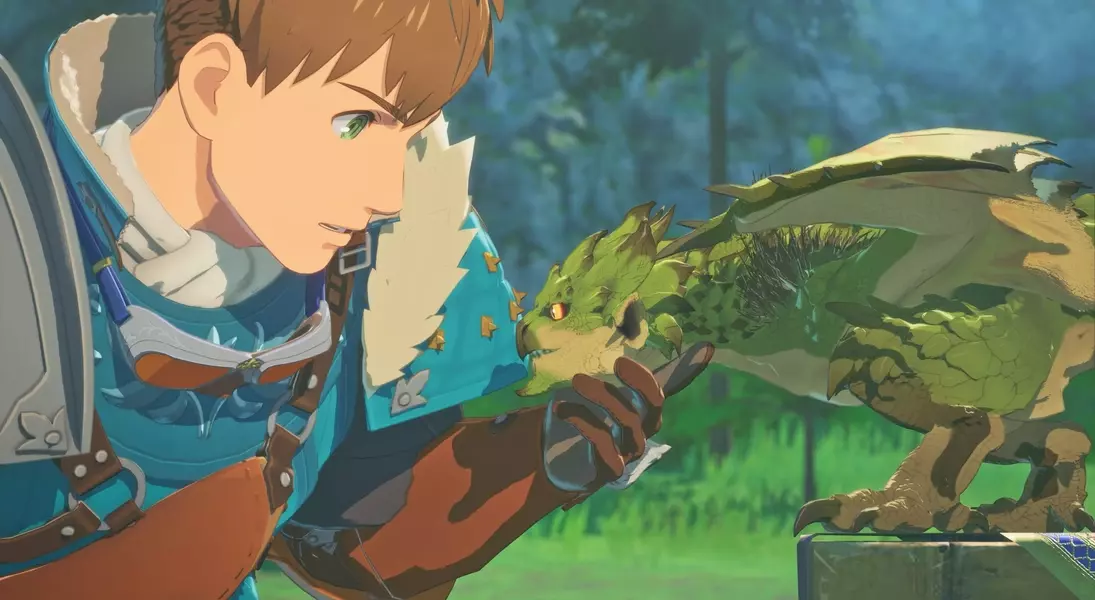
Prepare to embark on an epic adventure in the latest installment of the Monster Hunter Stories series. This new title elevates the familiar charming world of Monsties, presenting a more intricate and engaging experience that challenges both newcomers and veterans alike.
Unveiling a Grand Saga: Monster Hunter Stories 3
From Simple Beginnings to Complex Depths: The Evolution of Monster Hunter Stories
Initially, the Monster Hunter universe, with its intricate systems and interfaces, presented a formidable challenge to many. However, the release of 2021's Monster Hunter Stories 2: Wings of Ruin offered a refreshing, accessible gateway. This spin-off, a turn-based RPG, successfully distilled the core mechanics of the series into a format that was both clear and engaging, paving the way for a broader understanding of the Monster Hunter ecosystem.
Twisted Reflection: A New Chapter for the Stories Series
The landscape of the Monster Hunter Stories series is undergoing a notable transformation with the impending launch of Monster Hunter Stories 3: Twisted Reflection. Slated for release on March 13, this sequel from Capcom promises a more expansive narrative and significantly more complex combat mechanics. While retaining its signature vibrant aesthetics and whimsical charm, this new iteration appears to depart from its predecessors' role as an introductory title. Early impressions suggest that Monster Hunter Stories 3 is poised to offer a depth and scale comparable to that of mainline Monster Hunter titles, marking a distinct shift in its identity.
Structural Familiarity with Enhanced Exploration and Monster Rearing
In terms of its fundamental structure, Monster Hunter Stories 3 largely echoes its forerunner. Players are immersed in a turn-based RPG experience, granted the liberty to explore vast open territories, engage in battles with various creatures, gather essential crafting materials, and, in a manner reminiscent of Pokémon, acquire eggs from monster dens to cultivate their own stable of Monsties. The initial segments of the game vividly showcase this engaging gameplay loop across diverse environments, from the serene, pastoral landscapes of Azuria, echoing the aesthetics of Hyrule, to the rugged, vertically rich canyons of Cataracts, a signature Monster Hunter setting.
Beyond the Fetch Quests: Engaging in Deep Monster Research and Cultivation
During the initial hours of gameplay, the mechanics of Monster Hunter Stories 3 become intuitively graspable. Beyond cinematic sequences that evoke the feeling of a full-fledged Monster Hunter animated series, players are invited to explore the world with a casual freedom, drawing parallels to titles like Pokémon Legends: Arceus. This exploration extends beyond typical fetch quests and involves gliding and climbing with mounts, with a primary focus on amassing a comprehensive monster collection. A unique aspect involves the systematic collection of monster eggs for research; duplicate monsters can be released back into the wild, thereby replenishing the local species. This cyclical process enhances the likelihood of encountering more potent versions of creatures in subsequent egg finds. While a grand narrative underpins the experience, a tranquil rhythm emerges from collecting eggs, nurturing creatures, and strategically exchanging traits among Monsties to cultivate an elite fighting force, all while engaging in the customary Monster Hunter activities of crafting superior armor and weaponry.
The Elevated Challenge: Mastering Monster Hunter Stories 3's Combat System
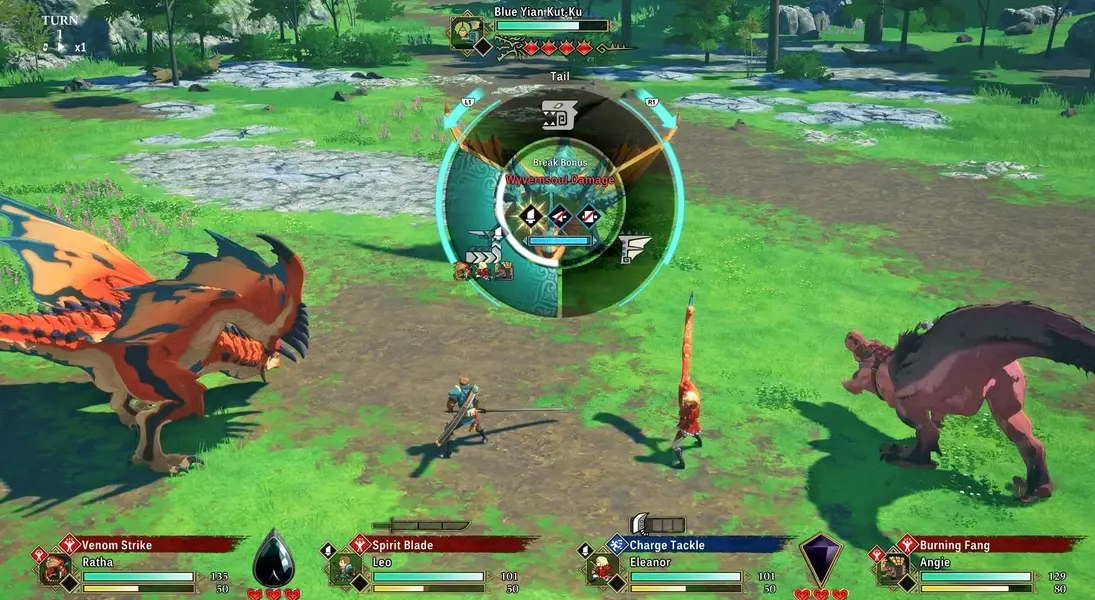
Despite the tranquil aspects of monster cultivation, the combat in Monster Hunter Stories 3 presents a considerably greater challenge than its predecessors. Monster Hunter Stories 2 featured a straightforward rock-paper-scissors combat system, where three distinct attack types—power, speed, and technical—each held a definitive advantage and disadvantage. The design of monsters often provided clear cues for their attack patterns, allowing even younger players to discern optimal counters, even when monsters shifted forms or became enraged. However, predicting the actions of creatures in Monster Hunter Stories 3 is significantly more complex, especially in the early stages, as their attack types fluctuate more frequently, making immediate identification challenging, a notable contrast to the more predictable battles of Wings of Ruin.
A Multifaceted Combat System: Beyond Basic Attack Wheels
The heightened complexity in Monster Hunter Stories 3's combat extends beyond a mere rebalancing of the attack wheel; it is enveloped by a multitude of additional systems that demand greater strategic focus. Players encounter "double attacks" when both the Monstie and rider execute the same damage type simultaneously. "Kinship attacks" can be unleashed after mounting a companion, and if timed with allies, can escalate into powerful ultimate abilities, though coordinating with AI partners can be a challenge. "Synchro Rushes" are performable upon breaking an enemy's stagger bar. Furthermore, elemental damage types introduce an additional layer of weaknesses. Players can equip three weapons into battle, each possessing unique strengths and weaknesses, and strategically targeting specific body parts remains crucial for chipping away at enemies.
Dual Perspectives: Engagement vs. Accessibility in the New Combat Model
This intricate combat system elicits mixed reactions. On one hand, it significantly enriches Monster Hunter Stories 3, transforming it into a more substantive RPG. While the battles in Wings of Ruin, though elegant, often felt predictable, Twisted Reflection demands constant player engagement, compelling a more active role than merely setting attack types. This heightened involvement forces a meticulous consideration of party composition and strategic counters for diverse threats, ensuring a more immersive moment-to-moment experience. Conversely, this complexity potentially undermines Monster Hunter Stories' traditional role as an accessible entry point to the broader series. If even seasoned players, having completed Wings of Ruin, find themselves occasionally perplexed, complete newcomers might struggle to grasp the nuances. This raises particular questions about its suitability for younger players, for whom Wings of Ruin offered a light, Pokémon-like stepping stone, whereas Twisted Reflection appears tailored for more experienced RPG enthusiasts.
Elevated Production Values and Performance Considerations
The evolution of Monster Hunter Stories 3 is evident not only in its gameplay but also in its presentation. The game boasts exceptionally high production values, with cutscenes rich in visual spectacle and narrative intensity, occasionally delving into darker themes reminiscent of Fire Emblem. This amplified scale, while enhancing the overall grandeur, appears to come at the expense of performance. Currently, Monster Hunter Stories 3 is playable on Steam Deck and Nintendo Switch 2, albeit in an unoptimized state. Positioning itself as a true PC and console title, this strategic shift may reduce the appeal for players who previously sought a more casual, portable Monster Hunter experience.
Joining the Big Leagues: Monster Hunter Stories 3's New Ambition
Capcom's clear objective is to elevate the Monster Hunter Stories series, which originated as a modest Nintendo 3DS spin-off, often overshadowed by the main installments. Monster Hunter Stories 3 sheds this secondary status, presenting a title that rivals the grandeur and complexity of any contemporary Monster Hunter game. Based on initial impressions, it seems poised to resonate strongly with RPG aficionados, yet it no longer serves as a demystifying entry point for a potentially intimidating franchise. The series has unequivocally entered the realm of major league gaming.
