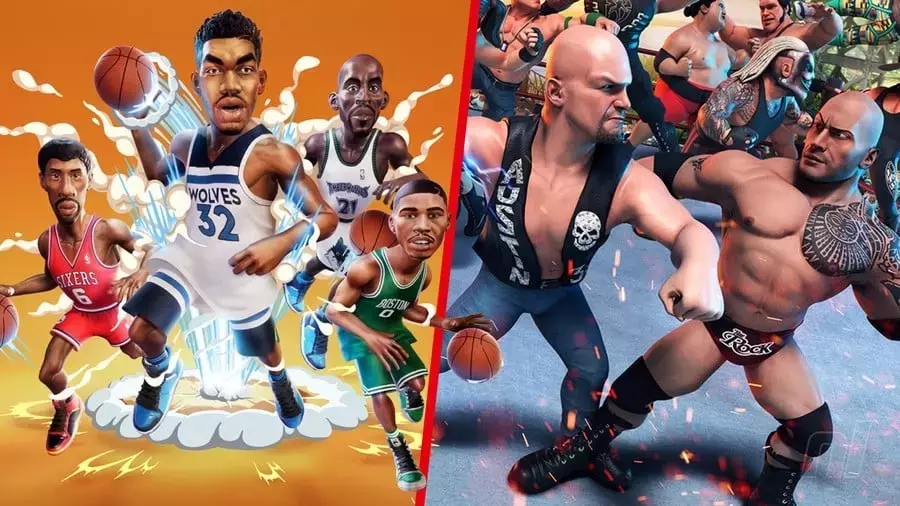
In a recent move impacting the digital gaming landscape, 2K Sports has announced the imminent removal of two of its popular arcade sports titles, NBA 2K Playgrounds 2 and WWE 2K Battlegrounds, from digital distribution platforms. This decision means that by the close of February, these games will no longer be available for purchase digitally. Furthermore, the online functionalities that power many of these games' features will be fully decommissioned by early July, shifting the focus entirely to their offline single-player components.
2K Sports Retires Arcade Titles: Digital Sales End Soon, Servers Shut Down This Summer
Gaming publisher 2K Sports has discreetly informed the public of its decision to pull two of its arcade-style sports games, NBA 2K Playgrounds 2 and WWE 2K Battlegrounds, from all digital storefronts. This change is set to occur by February 20th. Following this digital removal, the online servers supporting these titles will continue operation until July 9th. After this summer cutoff date, all aspects of the games that rely on an internet connection, including multiplayer modes and certain in-game unlockables tied to online transactions, will become inaccessible. Although physical copies of both games exist, offering a way to bypass the digital delisting, the server shutdown will still impact the full experience. The announcement has prompted discussions among the gaming community, with some lamenting the loss of online features, while others express disappointment over the trend of games becoming unplayable or incomplete due to server closures. NBA 2K Playgrounds 2, released in 2018, was generally well-received for its dynamic gameplay, whereas WWE 2K Battlegrounds faced criticism for its repetitive combat and design choices.
This development serves as a critical reminder of the evolving nature of digital ownership in the gaming industry. As more titles incorporate online-dependent features and rely on digital distribution, the longevity of game access and functionality becomes increasingly tied to publisher support and server maintenance. Players are often left in a precarious position, facing the potential loss of features or even entire games they have purchased. This situation highlights the importance of preserving game content and ensuring that consumers retain access to their digital purchases, even as technology and business models continue to shift. It underscores the ongoing debate about digital rights, game preservation, and the balance between publisher control and consumer expectations in the modern gaming era.
