In an era where textile waste poses a considerable environmental challenge, with fabrics occupying a notable portion of landfill space and synthetic materials lingering for centuries, a pioneering student-driven initiative at the Massachusetts Institute of Technology is spearheading a transformative movement towards sustainable fashion. This endeavor underscores the critical importance of localized reuse ecosystems in mitigating environmental harm and fostering community well-being.
Student-Led Initiative Champions Circular Economy at MIT
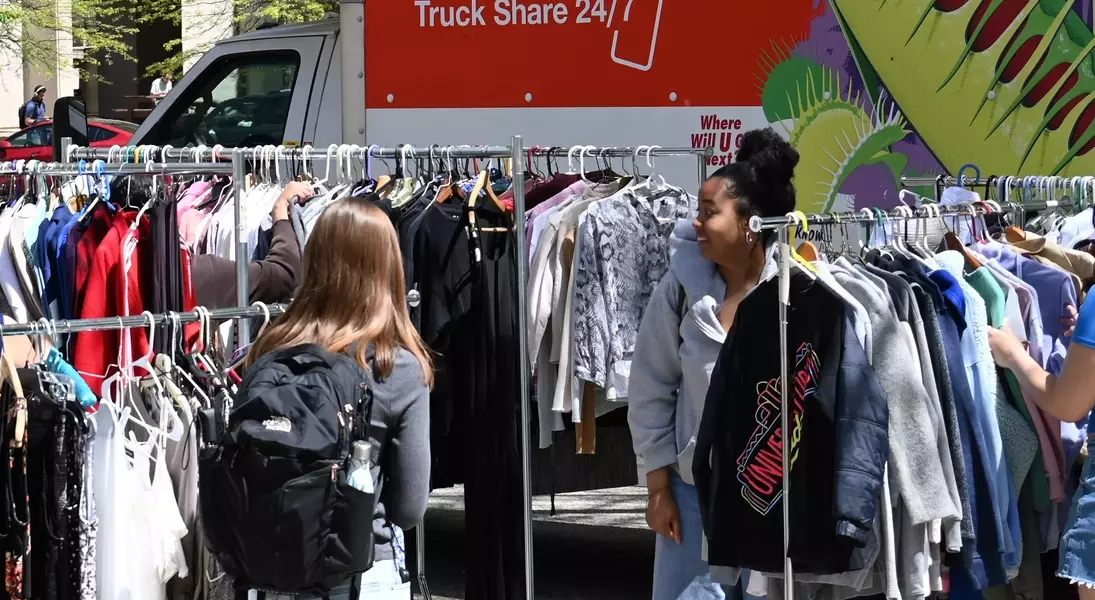
The \"Infinite Threads\" project, an innovative offshoot from the Undergraduate Association Sustainability Committee at the renowned Massachusetts Institute of Technology, has emerged as a beacon of environmental stewardship. Spearheaded by dynamic student leaders Cameron Dougal '25 and Erin Hovendon '26 during the 2024–2025 academic year, this initiative directly addresses the pressing issue of textile waste. Following Massachusetts' proactive 2022 legislation prohibiting the disposal of clothing and textiles, Infinite Threads has taken up the mantle by establishing a robust system for collecting gently used apparel from within the MIT community. These items are then made accessible to students and faculty through vibrant, periodic popup sales, offering clothing at highly affordable prices ranging from $2 to $6 per piece. In a testament to their dedication, the program successfully recirculated over 1,000 garments in the last academic year. Moreover, approximately 750 pounds of unsold items were thoughtfully donated to Helpsy, a distinguished organization committed to the comprehensive resale and recycling of pre-owned clothing, further amplifying the environmental impact. The proceeds garnered from these spirited sales are judiciously reinvested, covering essential operational costs such as student wages and the rental of transportation for the popup events, thus ensuring the program's self-sufficiency and continued success.
From a journalist's vantage point, the narrative of \"Infinite Threads\" is profoundly inspiring, illustrating the immense potential of student-led initiatives in tackling global challenges through localized action. This project transcends mere environmental clean-up; it cultivates a vibrant culture of conscious consumption and community resourcefulness. The positive feedback from students, who express genuine delight in acquiring durable and fashionable items at an accessible price point, underscores the dual benefits of such programs: they are not only environmentally prudent but also socially equitable. The insight shared by Cameron Dougal regarding the diminished likelihood of items finding new homes once they depart campus further solidifies the critical role of hyperlocal reuse systems. This reinforces a powerful truth: true sustainability often begins within our immediate communities, where collective action can forge significant, tangible change. \"Infinite Threads\" stands as a compelling model, demonstrating that with ingenuity and commitment, universities can become pivotal hubs for fostering a circular economy and inspiring future generations to embrace sustainable practices as a way of life.
