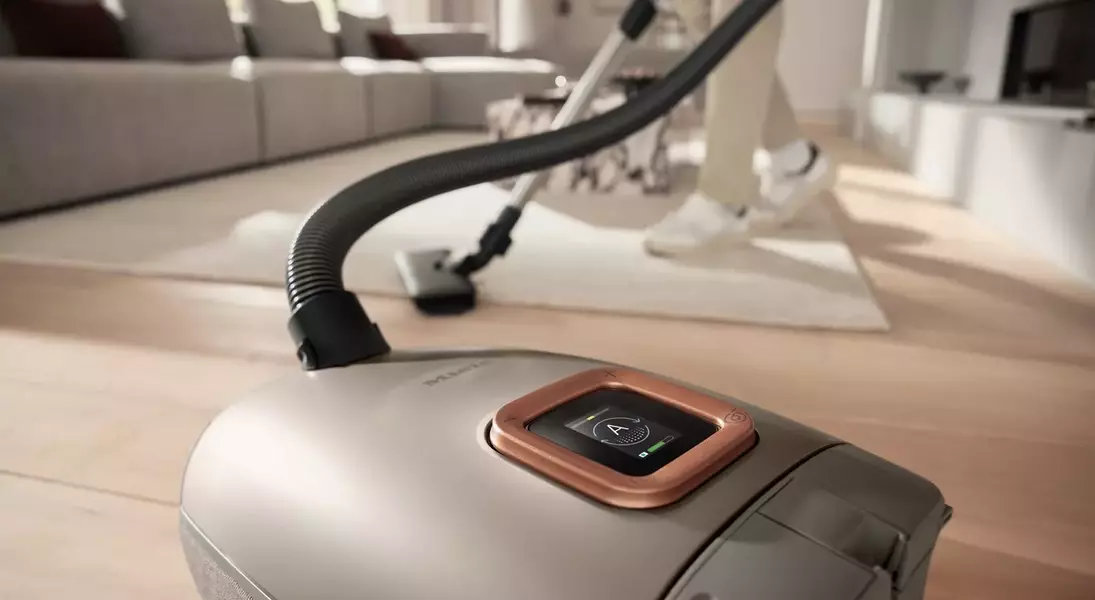
Miele, a brand known for its home appliances, has unveiled its inaugural smart canister vacuum cleaner, the Guard L1 Electro. This new model signifies a shift towards integrating intelligent functionalities into even the most conventional household devices. Unlike traditional canister vacuums, the Guard L1 Electro boasts Wi-Fi capabilities and an integrated touchscreen interface, bringing it squarely into the realm of smart home technology. This innovation aims to provide users with a more streamlined and informed cleaning experience, even though it retains a power cord, distinguishing it from popular cordless alternatives.
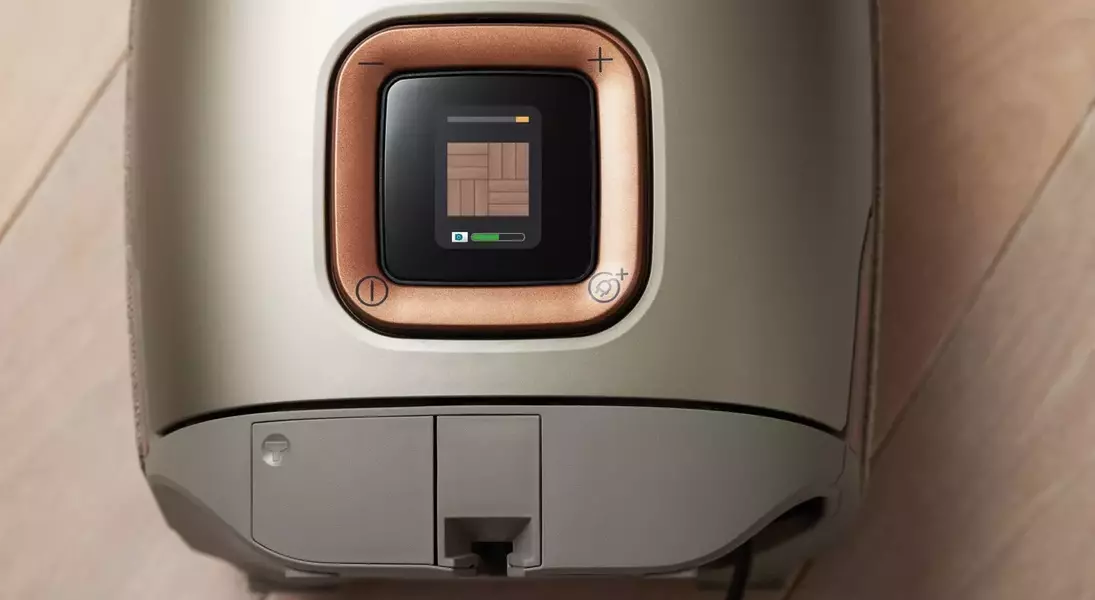
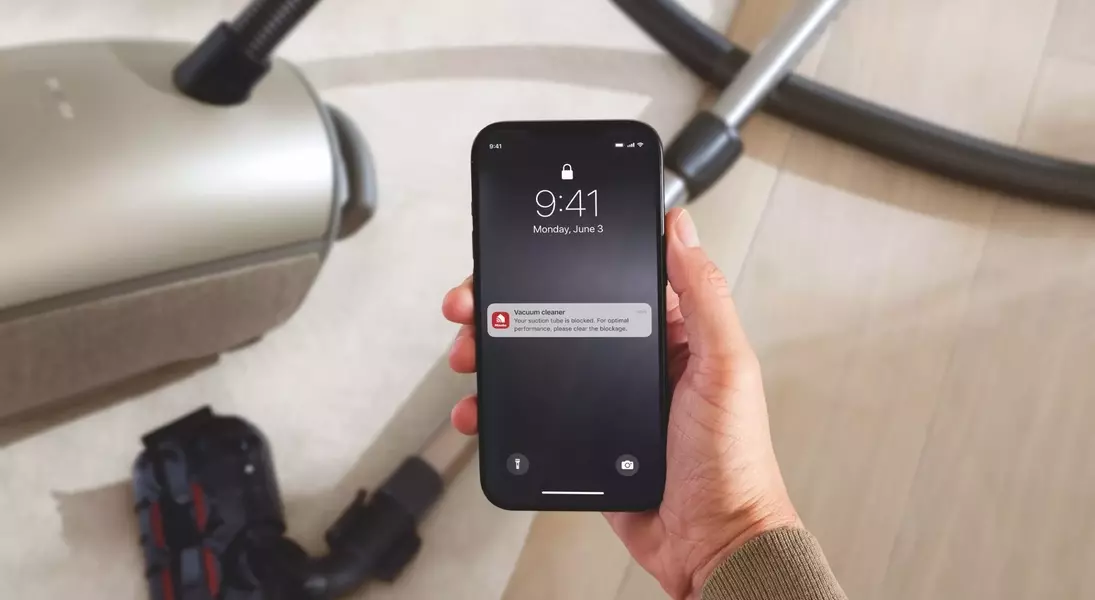
The Guard L1 Electro is positioned at the higher end of the market, retailing for $1,499. This price point places it significantly above many other canister vacuums, including those from competitors. Despite its cost, the device justifies its premium with enhanced features designed for convenience and efficiency. The integrated LCD touchscreen on the vacuum's body allows users to easily switch between cleaning modes, adjust suction power, and view crucial status alerts. These notifications, which include warnings for full dust bags, clogged hoses, or needed filter replacements, keep users updated on the vacuum's operational status.
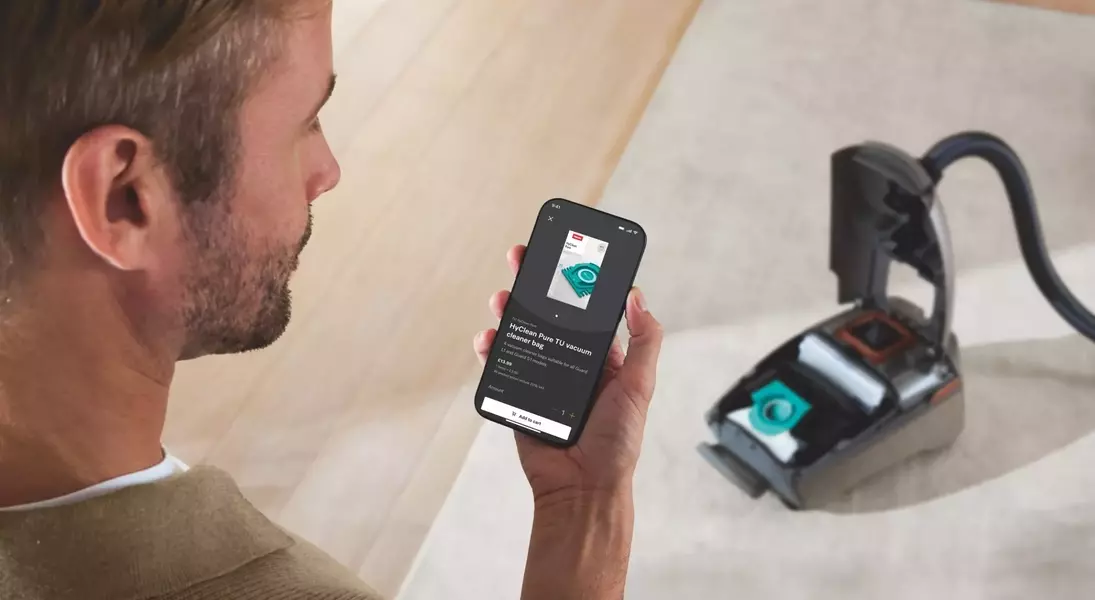
Beyond the onboard display, the Guard L1 Electro’s connectivity extends to a dedicated mobile application. By linking the vacuum to Miele's app via Wi-Fi, users can receive remote notifications directly on their smartphones, ensuring they are always aware of their vacuum's needs, even when not at home. The app also simplifies the maintenance process by enabling users to order replacement vacuum bags and filters directly, removing the hassle of manual reordering. This integration of digital convenience into a cleaning appliance highlights a broader trend towards making everyday objects smarter and more interconnected within the home environment.
The introduction of smart vacuums like the Miele Guard L1 Electro symbolizes the ongoing evolution of household appliances, embracing technology to enhance convenience and efficiency. This development encourages a future where homes are increasingly interconnected, simplifying daily chores and providing users with more control and awareness over their living spaces. It underscores the importance of technological advancement in improving the quality of life and adapting to modern demands for seamless integration and informed decision-making.
