This report explores a spectrum of cutting-edge technological developments and their widespread implications across various sectors, from scientific breakthroughs in quantum physics to the societal impact of artificial intelligence and shifting geopolitical dynamics in the tech world. It highlights how innovation continues to reshape our understanding of the physical world and influence global markets, policy-making, and daily life.
Unveiling Tomorrow's Technologies: A Glimpse into Quantum, AI, and Beyond
Pioneering Subsurface Exploration with Quantum Radar Technology
Physicists have successfully engineered a novel radar system designed to enhance subterranean imaging capabilities. This innovative device utilizes a precisely controlled cloud of atoms housed within a glass cell to detect faint reflected radio waves. As a prototype, this quantum sensor leverages the unique quantum-mechanical properties of matter, opening new avenues for applications such as mapping underground utilities, optimizing natural gas drilling operations, and facilitating archaeological excavations with unprecedented precision.
The Quantum Computing Frontier: Opportunities and Challenges
The burgeoning field of quantum technology presents both immense promise and intriguing challenges. While quantum sensors demonstrate immediate practical applications, the broader landscape of quantum computing continues to evolve. Discussions persist regarding the potential for rapid advancements in artificial intelligence, particularly in simulations for physics and chemistry, to mitigate the perceived urgency for large-scale quantum computers. Nevertheless, significant strides are being made, with researchers constructing quantum computers on server racks, paving the way for more complex machines, and major corporations like IBM setting ambitious targets for error-corrected quantum systems. The recent unveiling of Amazon's first quantum computing chip further underscores the intensifying race in this transformative domain.
Geopolitical Currents and the Chip Industry
The global semiconductor industry finds itself at the intersection of technological advancement and geopolitical strategy. Recent agreements, such as the arrangement requiring leading chip manufacturers like Nvidia and AMD to remit a percentage of their Chinese AI chip sales to the US government, highlight the intricate relationship between national security and technological trade. This unconventional deal, potentially yielding billions for the US, reflects an assertive stance on technology control, even as China expresses concerns over the safety and security of certain advanced chips.
AI's Impact on Digital Platforms and User Experience
Artificial intelligence continues to shape the digital landscape, as evidenced by recent developments concerning large language models. Following a significant user outcry, OpenAI has reinstated its popular GPT-4o model to ChatGPT, responding to widespread dissatisfaction with the newer GPT-5, which users reported made fundamental errors. This incident underscores the importance of user feedback and the challenges in deploying rapidly evolving AI technologies while maintaining performance and reliability.
Economic Data Turbulence and Energy Sector Transformations
Beyond the tech sector, broader economic and environmental shifts are gaining prominence. The US Bureau of Labor Statistics is reportedly experiencing disarray, potentially hindering access to crucial economic indicators and complicating accurate assessments of the nation's financial health. Simultaneously, the energy landscape is transforming, with Spain serving as a notable example. The nation's significant investment in solar power has led to an abundance of clean energy, pushing its electricity grid to its operational limits and highlighting the infrastructure challenges associated with large-scale renewable energy integration. In related news, Tesla's pursuit of a license to supply electricity to British households signals a potential diversification of the company's energy ventures, extending beyond electric vehicles to direct energy provision.
Societal Reflections in the Digital Age
Technology's influence extends deeply into societal norms and cultural narratives. Debates surrounding assisted dying policies, such as those in Canada, raise complex ethical questions that may eventually intersect with the capabilities of artificial intelligence in life-and-death decision-making. Meanwhile, observations within Silicon Valley suggest a trend among younger founders towards sobriety and an intense focus on work. The digital world also bids farewell to an icon, as AOL officially discontinues its dial-up internet service after 34 years, marking the end of an era that defined early internet access.
The Metaverse: Decentralization and Gaming Innovation
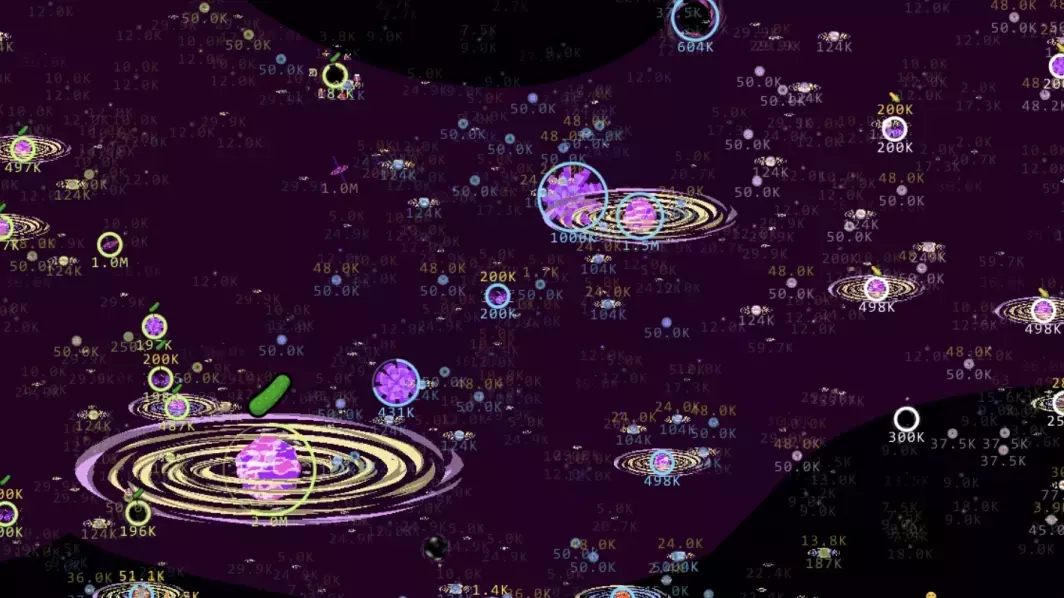
The concept of the metaverse continues to evolve, with innovative projects challenging traditional centralized models. Games like "Dark Forest," a sci-fi blockchain game, exemplify a move towards decentralized virtual universes. By operating independently of typical game servers, such projects offer a glimpse into a metaverse where ownership is distributed and less beholden to large technology corporations, empowering players to build and explore within a truly open digital frontier.
The Realities of Tech Employment and the Human Element
Amidst rapid technological progress, the human impact remains a critical consideration. The frustration expressed by a recent computer science graduate struggling to secure a tech job, finding only an interview offer from a fast-food chain, underscores the competitive and sometimes challenging realities of the tech employment market. This anecdote, widely shared on social media, highlights the gap between academic preparation and industry demand, particularly in an evolving landscape influenced by AI and automation. Moreover, discussions around "nepo babies" in prominent tech companies like Nvidia, where family connections seemingly play a role in career progression, spark conversations about meritocracy and fairness within the industry.
