Microsoft is making a significant stride towards integrating its gaming and operating system ecosystems with the launch of the Xbox Ally handheld devices. These innovative gadgets aim to deliver a seamless, console-like gaming experience by overlaying a dedicated Xbox interface onto Windows 11. This strategic move is expected to simplify the user experience for handheld PC gaming, addressing long-standing complexities associated with the Windows desktop environment. While still in its nascent stages, this integration points towards a future where Windows-powered gaming devices offer a more cohesive and user-friendly platform, potentially bridging the gap between traditional PCs and dedicated gaming consoles.
Unveiling the Future of Handheld Gaming: A Deeper Dive into Microsoft's Xbox Ally
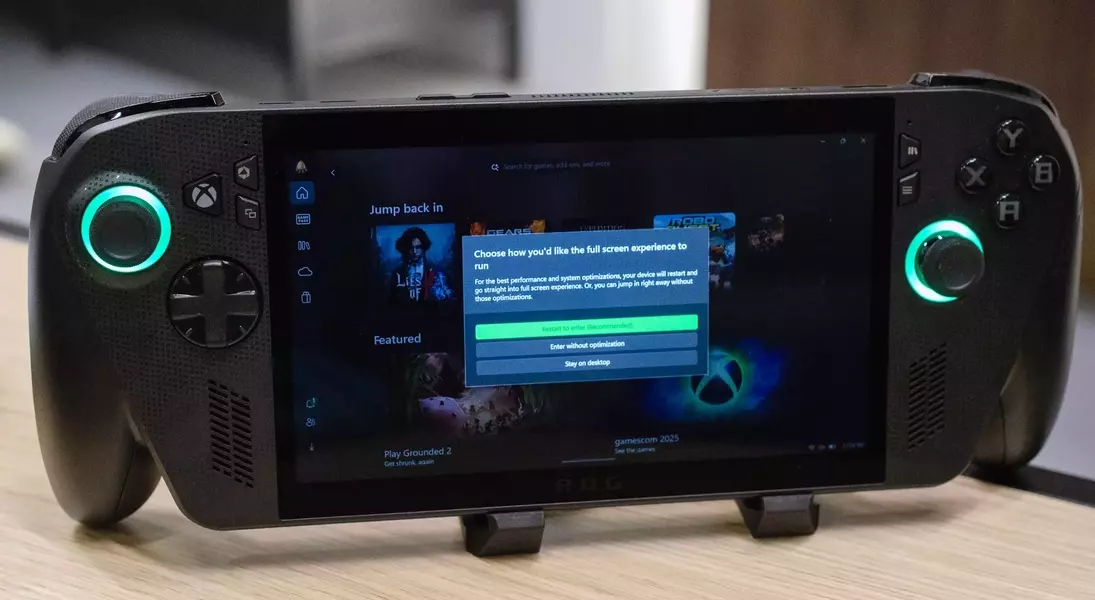
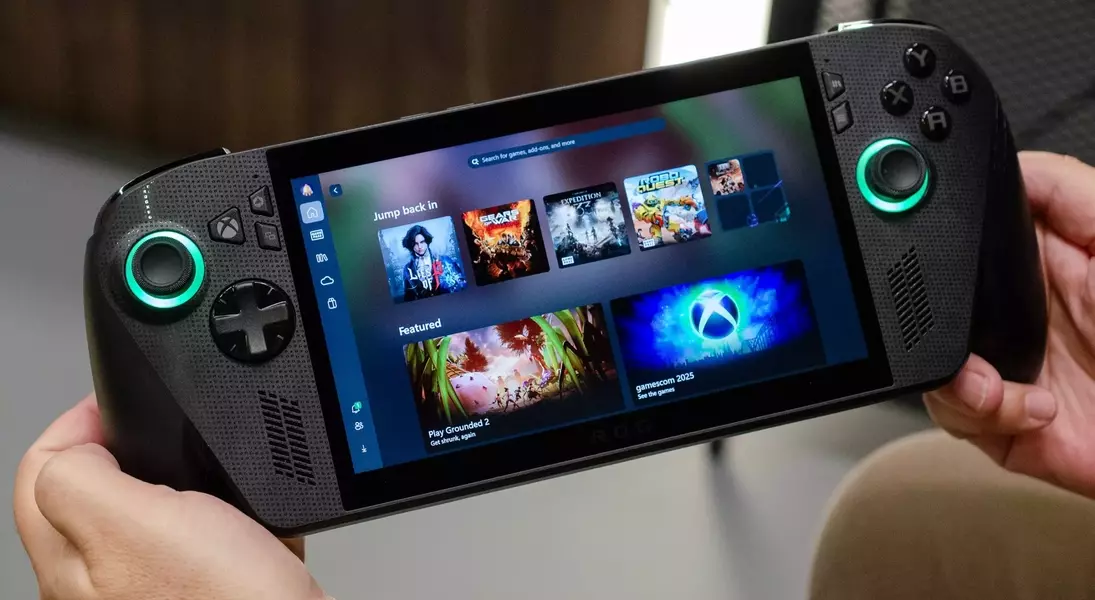
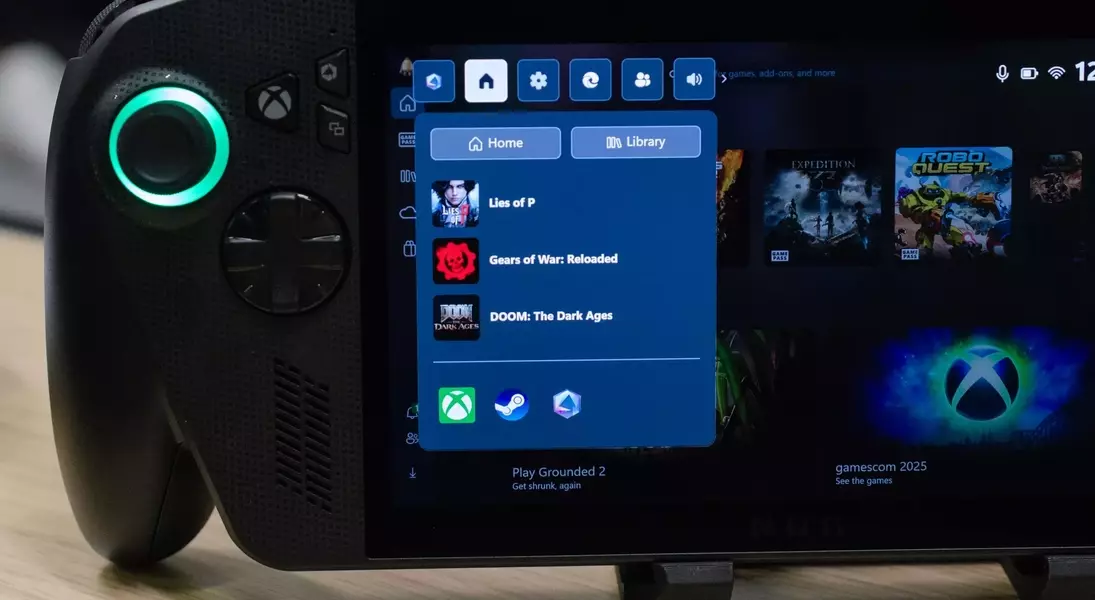
On a significant day for the gaming world, August 21, 2025, Microsoft, in collaboration with Asus, unveiled its groundbreaking Xbox Ally handheld devices. This release signals a pivotal moment for PC gaming, as these devices introduce a refined Xbox full-screen experience that artfully overlays the robust Windows 11 operating system. The core innovation lies in the Game Bar, which, at the touch of an Xbox button, transforms the Windows environment into a dedicated gaming hub, effectively obscuring the complexities of the underlying OS and offering a streamlined, console-like interface.
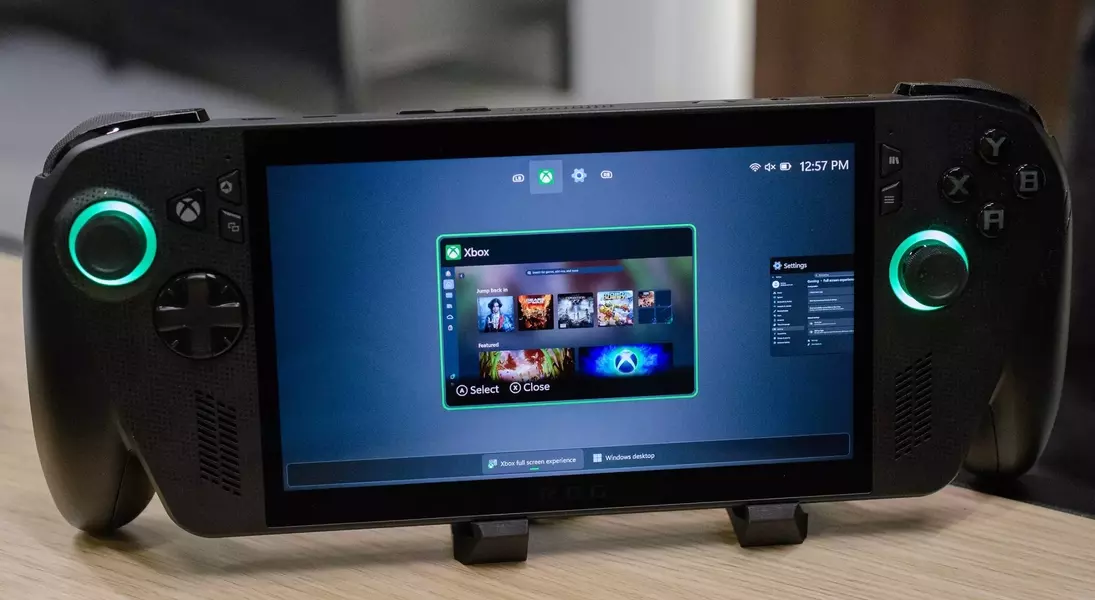
During initial hands-on evaluations, a key observation was the intelligent management of system resources. By not loading unnecessary desktop elements like wallpapers or the taskbar, the Xbox Ally reclaims approximately 2GB of memory, dedicating it to enhance gaming performance. Despite this optimized gaming mode, users retain the flexibility to easily transition back to the full Windows desktop, although this currently necessitates a device reboot to fully benefit from the memory optimization. Microsoft has acknowledged and is actively working on resolving minor bugs and UI inconsistencies, such as the persistent Windows 11 notification center appearing within the Xbox UI, aiming for a polished experience by the official shipping date of October 16th. Moreover, ongoing discussions hint at the possibility for users to set alternative default boot experiences, potentially opening the ecosystem to other popular launchers like Steam, further enriching the gaming options available on these devices. While the device does not yet feature a direct equivalent to Xbox's Quick Resume, its rapid switching capabilities between modes are a promising step towards minimizing interruptions.
The introduction of the Xbox Ally devices marks a crucial evolutionary phase in Microsoft's overarching strategy for its next-generation Xbox ecosystem. This initiative is clearly designed to unify the gaming experience across handhelds, PCs, and future consoles under a single, gaming-centric Windows operating system. By subtly integrating the powerful, yet often overwhelming, Windows platform with the intuitive, user-friendly Xbox interface, Microsoft is setting a new precedent for portable gaming.
From a journalist's perspective, this development is genuinely exciting. The Xbox Ally represents more than just a new piece of hardware; it embodies Microsoft's clear intent to evolve its Windows platform into a more gaming-centric ecosystem. The ambition to create a seamless experience, where the underlying Windows complexities fade into the background, is a monumental undertaking. While current minor software glitches and the absence of a 'Quick Resume' equivalent highlight the journey still ahead, the potential is undeniable. This move could fundamentally reshape how we perceive and interact with PC gaming, pushing it towards a more accessible, integrated, and fluid future. It’s a testament to Microsoft’s commitment to innovation in the gaming space, and I eagerly anticipate how these foundational steps will influence the next generation of console and PC gaming, ultimately offering a more universal and enhanced experience for players worldwide.
