
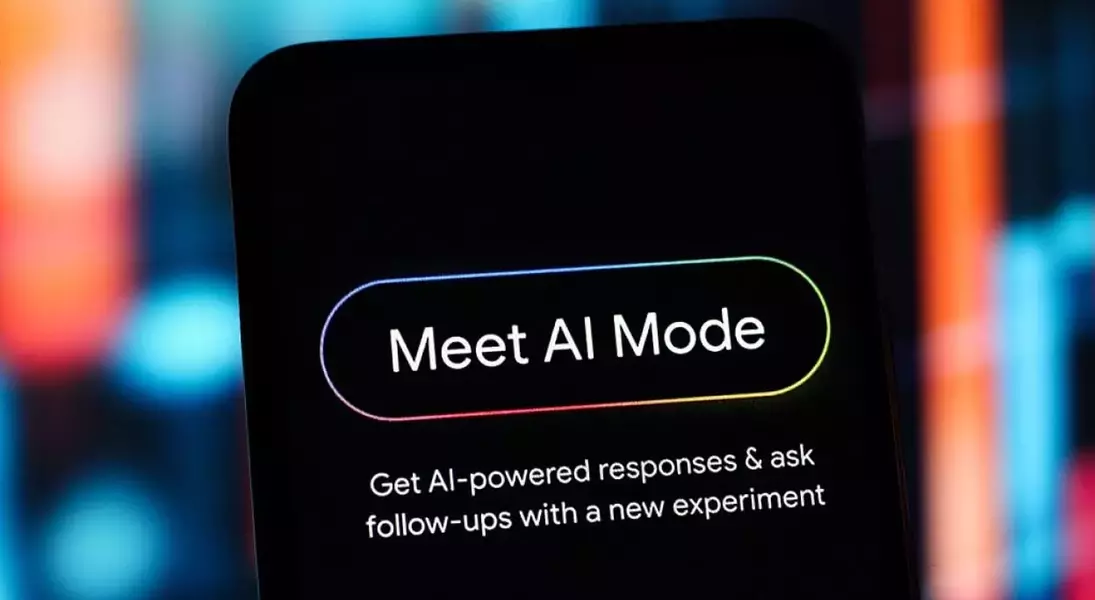
Google Search's advanced AI functionality is evolving, offering users enhanced assistance in securing restaurant reservations. This development sees Google's AI Mode incorporating new \"agentic capabilities,\" designed to simplify the initial steps of the booking process. Although this AI feature is already accessible in several countries, including the U.S., UK, and India, and is expanding to over 180 regions, it currently operates exclusively in English. It's crucial to understand that while the AI streamlines the search for available tables, it doesn't finalize the booking; that still requires human interaction with a third-party service.
When utilizing AI Mode for dinner plans, users can specify detailed preferences, such as the number of guests, any dietary needs, preferred date, time, and culinary style. Google's underlying AI models then intelligently navigate the internet to compile a list of restaurants with suitable availability that align with these criteria. Once a satisfactory option is identified, AI Mode guides the user directly to the respective booking page on external platforms. This innovative feature, initially rolled out in Google's testing environment, Labs, and exclusively for AI Ultra subscribers in the U.S., signifies Google's ambition to introduce more widespread agentic functionalities in the near future, including the ability to book event tickets and schedule local service appointments through collaborations with partners like OpenTable, Resy, and Ticketmaster.
This emerging "agentic web" paradigm, exemplified by Google's latest AI Mode enhancement, aims to significantly reduce the manual effort involved in common online tasks. By leveraging advanced AI to conduct thorough research and aggregate information, the technology promises to transform how individuals interact with digital services. This innovation serves as an early indicator of how AI assistants will increasingly automate tedious processes, thereby fostering a more efficient and user-friendly internet experience. As this technology continues to develop, it holds the potential to profoundly impact daily digital interactions, empowering users with more streamlined and intelligent tools.
This technological leap underscores a positive trend towards creating more intuitive and supportive digital environments. By reducing the complexity of everyday tasks, AI fosters greater accessibility and efficiency for everyone. Embracing these advancements empowers individuals to navigate the digital world with greater ease and confidence, promoting a future where technology serves to enhance human potential and simplify our lives.
