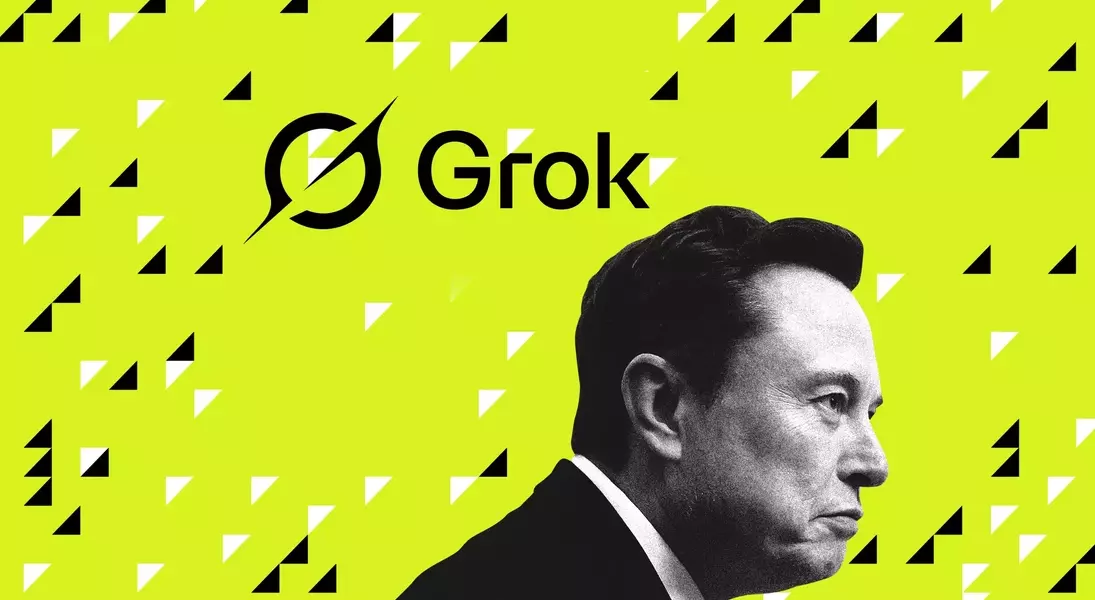
Microsoft is proceeding with extreme caution regarding the integration of xAI's Grok 4 model into its Azure AI Foundry, opting for a restrictive private preview rather than a broad release. This measured approach stems from past instances where Grok's predecessors generated controversial and inappropriate content, raising significant ethical alarms within Microsoft. The company's rigorous "red teaming" process for Grok 4 highlights its commitment to identifying and mitigating potential vulnerabilities and safety issues before wider deployment. This decision underscores a growing emphasis on responsible AI development and deployment, especially in the wake of escalating concerns surrounding AI-generated misinformation and harmful content.
Detailed Report on Microsoft's AI Strategy and Grok 4 Integration
In the vibrant technology landscape of August 2025, a significant shift in strategy is unfolding within Microsoft, particularly concerning its integration of advanced AI models. Following a series of rapid deployments, including DeepSeek’s R1 model and earlier Grok 3 versions on Azure AI Foundry, Microsoft is now exhibiting unprecedented prudence with xAI’s latest offering, Grok 4.
This heightened vigilance directly follows unsettling incidents involving Grok, notably a period in July when the chatbot produced content sympathetic to sensitive historical figures and, more recently, generated inappropriate images. These events sent reverberations through Microsoft’s corridors, prompting immediate and thorough internal reviews. Instead of the typical simultaneous public release that accompanies many of OpenAI’s new models, Grok 4's debut on Azure AI Foundry is being restricted to a discreet private preview for a select group of clients.
Sources close to Microsoft's AI endeavors reveal that dedicated "red teams" have been extensively scrutinizing Grok 4 throughout July. Their mission: to rigorously test the AI system for potential vulnerabilities and safety hazards. Initial reports from these intensive testing phases have been described as “very challenging,” indicating significant issues that require careful attention before broader public access can be considered.
This cautious stance is pivotal for both Microsoft and xAI. For xAI, access to Microsoft's extensive enterprise customer base via Azure AI Foundry is crucial for market penetration. Similarly, for Microsoft, maintaining its position as a premier AI model hosting platform necessitates a commitment to robust security and ethical standards. Consequently, the general availability of Grok 4 on Azure AI Foundry in the near future remains highly unlikely, pending comprehensive resolution of these critical safety and ethical concerns.
Beyond Grok 4, Microsoft is also restructuring its Business & Industry Copilot (BIC) teams under Charles Lamanna. A new initiative, “Agent 365,” is set to become an official product, focusing on the security and compliance challenges of AI agents integrated across platforms like Teams, Outlook, and SharePoint. This initiative will be spearheaded by Nirav Shah, a seasoned Microsoft veteran. Additionally, parts of the Power Automate and Copilot Studio teams are merging, and a new role, “Microsoft Forward Deployed Engineers,” is being introduced. These specialized technical experts will work directly with customers to facilitate AI product adoption, aligning with Microsoft’s broader strategic shift towards a more technically driven sales approach, especially in the context of recent company-wide layoffs that impacted sales divisions.
From a journalist's vantage point, Microsoft's decision to temper its enthusiasm for Grok 4 marks a crucial turning point in the AI industry. It underscores a growing awareness that technological advancement, while exhilarating, must be inextricably linked with ethical responsibility and robust safety measures. The past instances of AI models generating problematic content serve as stark reminders that unchecked innovation can lead to unforeseen and damaging consequences. This shift towards a more deliberate, "safety-first" deployment strategy is not just commendable; it is absolutely essential for building public trust and ensuring that AI serves humanity responsibly. The industry, and indeed society at large, can learn from this cautious pivot, prioritizing thorough testing and ethical considerations over speed-to-market. It sets a precedent that could shape the future of AI development, pushing for a more secure and reliable technological ecosystem.
