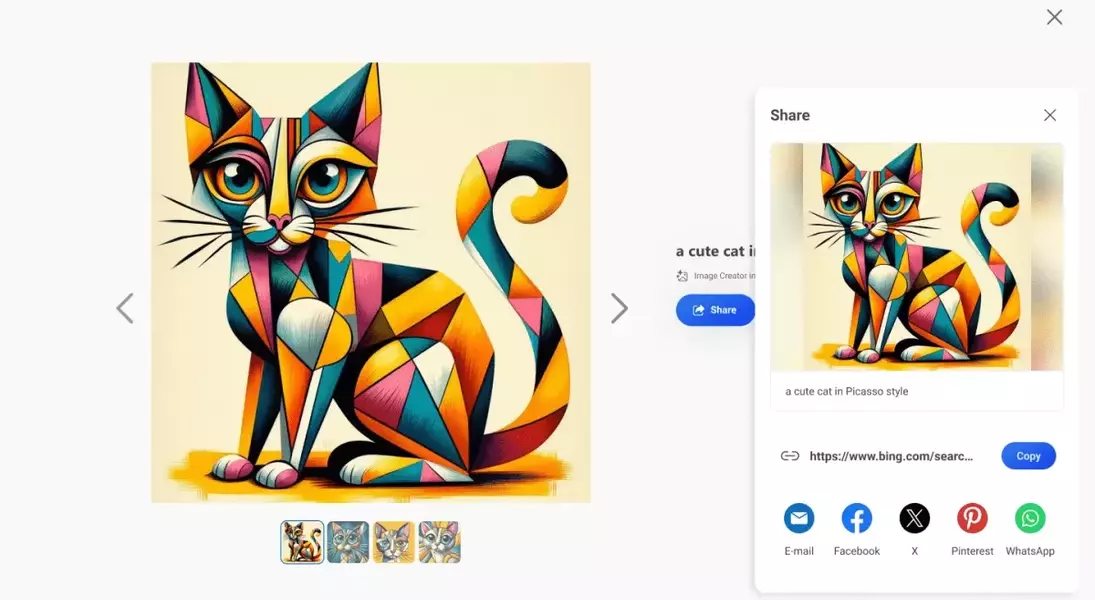
The holiday season brought unexpected challenges for Microsoft as the tech giant rolled out an upgrade to its AI-powered image editing tool, Bing Image Creator. Promising faster and higher-quality image generation, the new model, code-named "PR16," quickly faced a wave of criticism from users who found the updates lacking. In response, Microsoft announced plans to revert to the previous version while addressing the issues.
A Step Back: Why Users Prefer the Old DALL-E 3 Model
User Reactions Flood Social Media
The rollout of PR16 sparked immediate backlash on platforms like X and Reddit. Users expressed disappointment, with many claiming that the quality of images generated by the new model was subpar compared to its predecessor. One Redditor lamented, “The DALL-E we used to love is gone forever.” Another user stated, “I’m now using ChatGPT because Bing has become useless for me.” The sentiment was echoed across social media, highlighting a significant shift in user satisfaction.Microsoft Responds to Criticism
In light of the growing dissatisfaction, Microsoft’s head of search, Jordi Ribas, acknowledged the issues and announced plans to revert to the earlier version of DALL-E 3, known as PR13. Ribas explained, “We’ve been able to reproduce some of the issues reported and plan to revert to PR13 until we can fix them.” He added that the deployment process would take several weeks, emphasizing the complexity involved in rolling back such changes.Comparing Model Outputs: A Closer Look
While anecdotal reports are challenging to standardize, many users pointed out that PR16-generated images lacked the detail and realism present in earlier versions. According to Mayank Parmar from Windows Latest, PR16 images appeared less polished and even cartoonish. This feedback underscores the importance of aligning internal benchmarks with user expectations, a challenge that Microsoft and other tech companies continue to face.Historical Precedents and Lessons Learned
This isn't the first time an AI model has faced public scrutiny despite passing internal checks. Earlier this year, Google had to pause its AI chatbot Gemini’s ability to create images of people due to complaints about historical inaccuracies. These incidents highlight the complexities involved in measuring and improving AI models in real-world applications. Microsoft’s benchmarking indicated that PR16 performed slightly better on average, but it clearly did not meet user preferences.The Road Ahead for AI-Powered Tools
As the demand for advanced AI tools grows, so does the need for rigorous testing and user feedback. Microsoft’s experience with PR16 serves as a reminder that even minor updates can have significant impacts on user experience. Moving forward, companies must prioritize transparency and adaptability to ensure their innovations align with user expectations and maintain trust in their products.You May Like