
Microsoft has recently transitioned the renowned classic text adventure game, Zork, and its subsequent installments, into an open-source format, leveraging an MIT License. This strategic move follows Microsoft's acquisition of Activision, which had previously secured the intellectual property rights for Zork from Infocom. The decision, a collaborative effort involving Microsoft, the Xbox Team, and Activision, also saw input from digital archivist Jason Scott of the Internet Archive, aiming to safeguard the historical significance of these foundational games.
The Zork trilogy, originally conceived as a single expansive game that Infocom later segmented into three distinct parts, represents a pivotal moment in gaming history. By making the source code publicly accessible, Microsoft intends to foster community engagement and preservation, ensuring that future generations of developers and enthusiasts can explore, modify, and learn from these iconic text-based adventures. This initiative builds upon existing unofficial GitHub repositories for Zork, Zork 2, and Zork 3, by formally submitting pull requests to integrate the MIT License and officially document the open-source grant, thus providing a clear legal framework for its use.
However, the announcement has not been without its points of contention. Observers have noted that the language used in Microsoft's official blog post regarding the open-sourcing of Zork exhibits characteristics commonly associated with AI-generated text. Phrases described as 'saccharine' and 'dreamy,' coupled with typical AI sentence structures, have raised questions about the authenticity of the content. This has sparked a debate about the use of AI in crafting communications, particularly for an entity praising Zork's original narrative prowess, which was lauded for creating 'worlds more vivid than most games of their time' through its descriptive text.
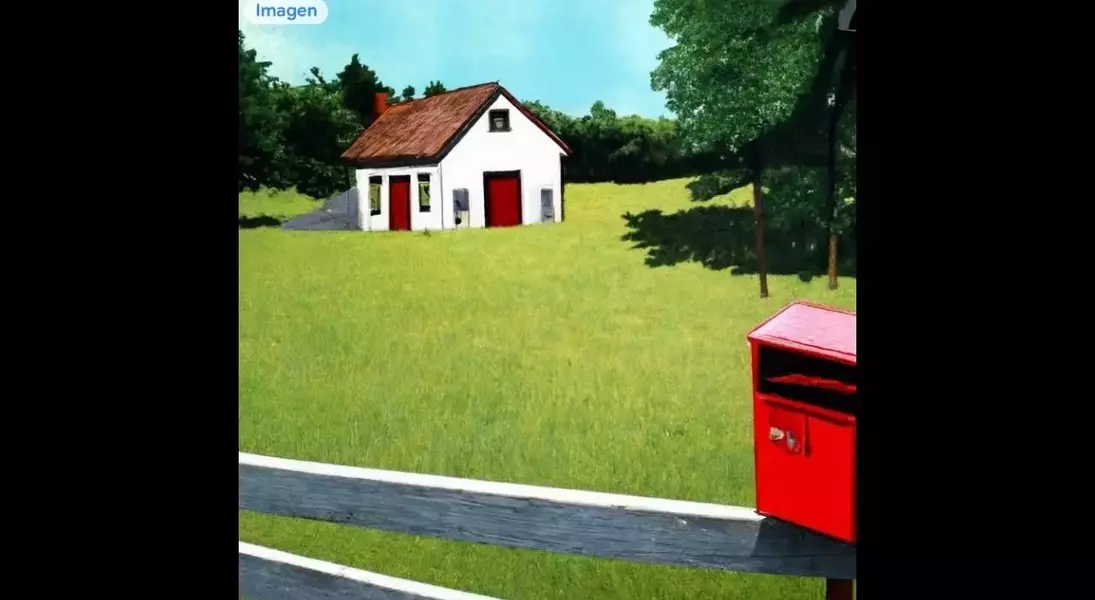
The irony of using a technology often linked to plagiarism to discuss the importance of licensing and preservation has not gone unnoticed. While it's unlikely the entire announcement was AI-generated, the presence of such phrasing suggests AI tools might have been employed in some capacity. This incident draws parallels to previous explorations of Zork and generative AI, such as Google's attempt to visualize Zork's world using an image diffusion model. These discussions underscore the evolving landscape of content creation, intellectual property, and the role of artificial intelligence within the cultural heritage of gaming.
The decision to open-source Zork is a significant step towards ensuring the longevity and accessibility of a beloved classic, inviting developers and fans alike to delve into its intricate code. This move reinforces the importance of preserving gaming history and encouraging innovation, even as it prompts introspection on the methods employed in conveying such announcements in an increasingly AI-influenced world.
