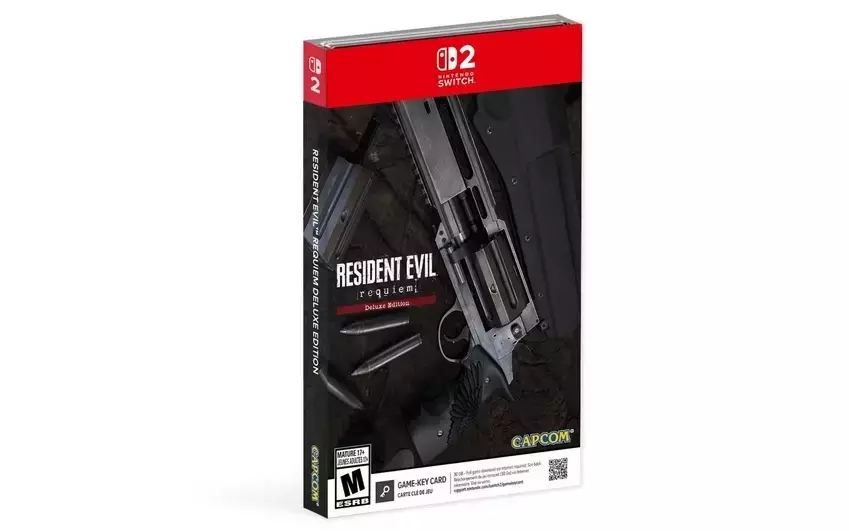

Initial speculation suggested that the Nintendo Switch 2 version of Resident Evil Requiem would feature unique physical cover art compared to its PlayStation 5 and Xbox Series X|S counterparts. This led to considerable discussion among gaming enthusiasts regarding potential platform-specific aesthetic treatments for the upcoming title. However, recent confirmations from Capcom have provided clarity on this matter, revealing a more unified approach to physical releases across all platforms.
As it turns out, the distinctive cover art observed for the Switch 2's physical release is part of a broader offering: "Lenticular Editions" that will be available for all platforms, not just Nintendo's new console. These special editions incorporate a lenticular case sleeve or card, creating a dynamic visual effect where the image shifts depending on the viewing angle. This feature has also been prominently showcased in Capcom's promotional materials for the game's Deluxe Edition, indicating a consistent artistic direction for these premium releases. Additionally, physical copies of the Switch 2 version outside the US feature cover art identical to the PS5 and Xbox versions, further solidifying the cross-platform consistency. The game, including its physical Switch 2 iteration, is set to launch on February 27, 2026, and is expected to deliver the same gameplay experience across all consoles. Players can also anticipate other related merchandise, such as a limited-edition Pro Controller and a themed amiibo.
Beyond the standard release, Capcom is also introducing a 'Generation Pack' for the Switch 2, which will bundle Resident Evil Requiem with Resident Evil 7: Biohazard and Resident Evil: Village. This comprehensive package, also scheduled for a simultaneous release, offers an extensive collection for fans of the franchise. While physical copies for Switch 2 will come as 'Game-Key Cards,' providing a digital code rather than a traditional game cartridge, this move reflects evolving distribution strategies in the gaming industry.
The convergence of physical and digital elements in gaming releases, such as the use of game-key cards, signifies an adaptive approach by publishers to modern consumption patterns. This strategy aims to balance the appeal of tangible collector's items with the convenience of digital distribution, ensuring that players across all platforms can enjoy special editions while also embracing new ways to access their games. Ultimately, the availability of these lenticular editions and game bundles underscores a commitment to delivering diverse options that cater to the preferences of a wide gaming audience.
