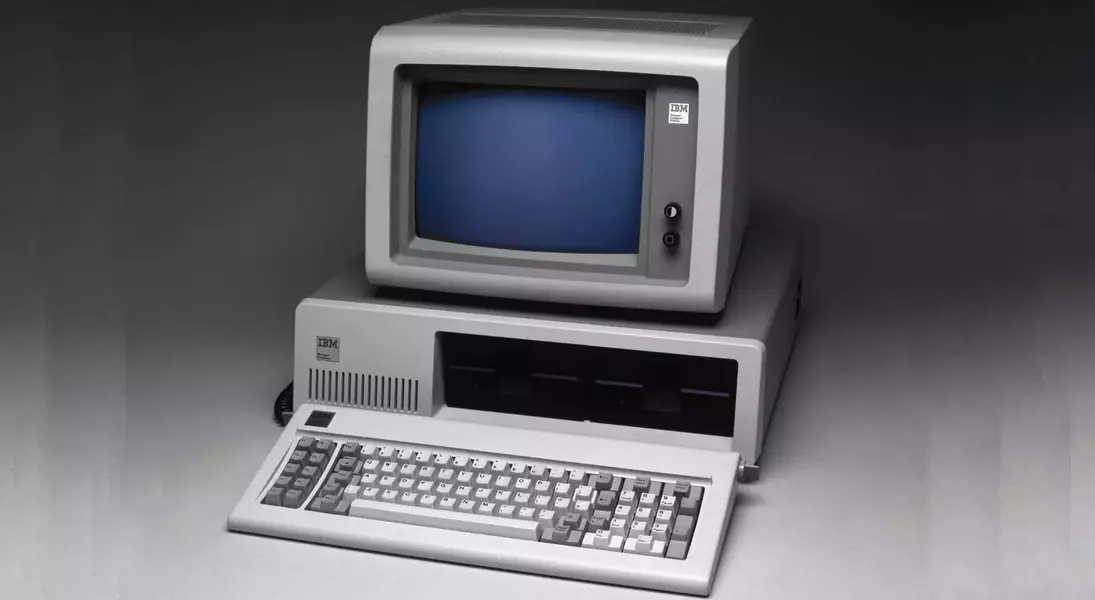
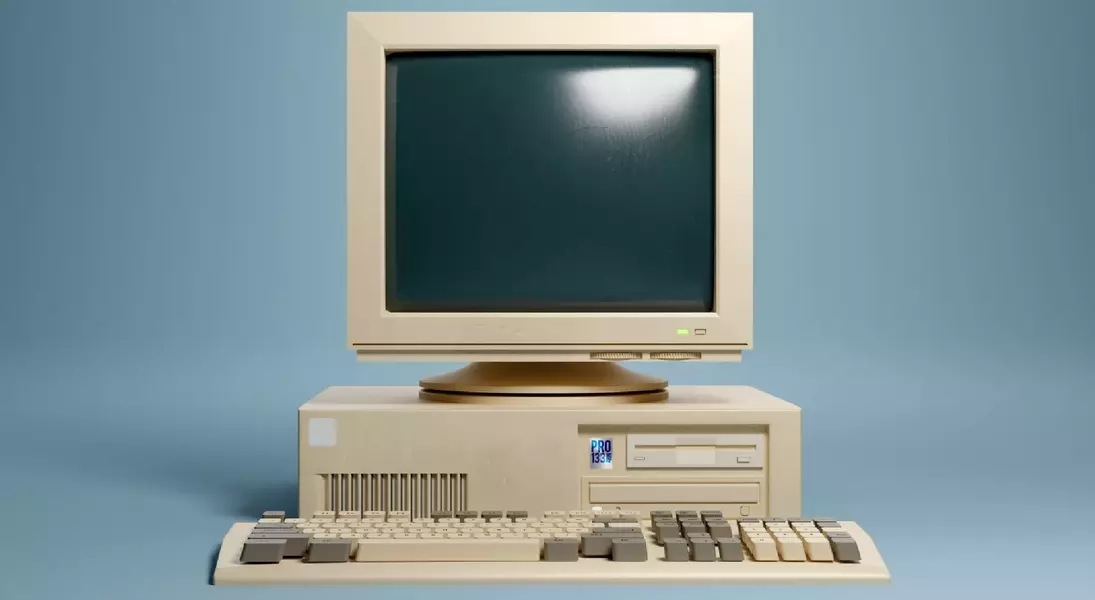
Microsoft has undertaken a remarkable endeavor to preserve and make accessible foundational elements of computing history. This initiative focuses on the early lineage of operating systems, specifically the source code of 86-DOS 1.00, a direct ancestor to the ubiquitous MS-DOS. The story behind this preservation is particularly compelling, involving the painstaking process of digitizing information that was never originally stored in digital format.
Unearthing the Digital Past: From Paper to Open Source
The Genesis of a Digital Archeological Project
The journey to open-source 86-DOS 1.00 commenced on its 45th anniversary, with Microsoft announcing its availability on GitHub. This release is more than a simple file upload; it represents a triumph of historical preservation. Unlike modern software, the initial versions of 86-DOS were not digitally archived, presenting a unique challenge for those seeking to safeguard its legacy.
The Challenge of Non-Digital Archives: Transcribing History
Tim Paterson, the original creator of DOS, possessed the sole remaining copies of the source code for various essential components, including assemblers and critical utilities like CHKDSK. These were not digital files but physical printouts. To transform these paper records into a usable, downloadable format for GitHub, an intensive process of manual transcription and scanning was required.
A Dedicated Team's Commitment to Computing History
The monumental task of digitizing these invaluable historical documents was spearheaded by a committed group of historians and preservationists. Led by Yufeng Gao and Rich Cini, this team meticulously worked to locate, scan, and accurately transcribe Paterson's collection of DOS-era source listings, bridging the gap between paper archives and the digital realm.
The Origins of 86-DOS: A Quick and Dirty Start
For those unfamiliar with its early days, 86-DOS was conceived by Tim Paterson for an Intel 8086-based computer kit marketed by Seattle Computer Products. Pre-dating the version made public, an even earlier iteration of the OS was colloquially known as QDOS, an acronym for "quick and dirty operating system." This origin story humorously colors the perception of the term 'DOS' as 'Dirty Operating System' for some.
Microsoft's Acquisition and Renaming: The Birth of MS-DOS
Microsoft's involvement began when it licensed 86-DOS for the groundbreaking IBM PC 5150. Following this, Tim Paterson was brought on board in 1981 to continue the operating system's development. By 1982, the OS was rebranded as MS-DOS, though it maintained the version numbering established by 86-DOS.
A Growing Repository of Open-Source History
This release is part of a broader effort by Microsoft to make historical operating system source codes publicly available. Previous releases include MS-DOS 1.25, 2.0, and 4.0, all accessible through the same DOS History GitHub repository. For enthusiasts of computing history, this growing collection offers an unprecedented opportunity to explore the foundational code that shaped modern personal computing. A particularly nostalgic addition for some is the open-sourcing of Microsoft 3D Movie Maker from 1995, offering a glimpse into the creative tools of a bygone era.
