

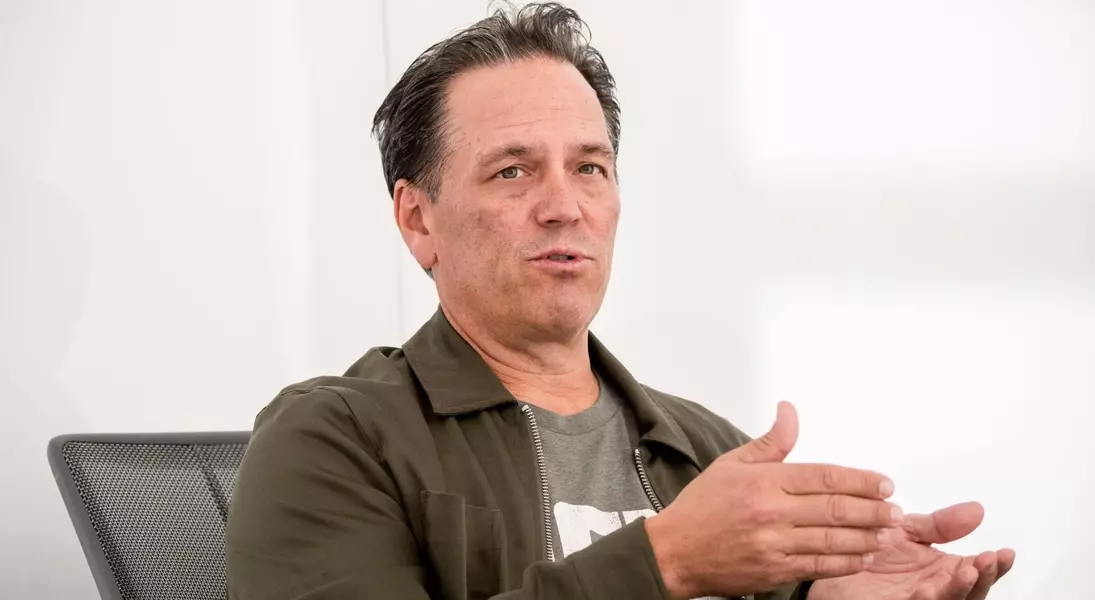

Microsoft's gaming division is at a critical juncture, marked by a recent leadership overhaul. Phil Spencer's unexpected departure as CEO of Microsoft Gaming, overseeing Xbox and its extensive publishing and development portfolio, has paved the way for Asha Sharma, a seasoned executive with a background in tech and services, to take the helm. This leadership change comes amidst a period of strategic questioning for Xbox, grappling with the performance of its console business and the immense scale of its acquired properties, including Activision Blizzard and Bethesda.
The transition is not without its complexities. Sarah Bond, Spencer's second-in-command, also exited, fueling speculation about internal dynamics and the search for a fresh direction. Sharma's appointment, characterized by her expertise in platform building and business model alignment rather than direct gaming experience, suggests a focus on operational efficiency and financial performance. Her prior role at Instacart and her brief tenure with Microsoft's CoreAI project highlight a profile oriented towards large-scale business management, indicating a potential shift in how Microsoft approaches its gaming ventures. This move underscores Microsoft's determination to bring a new perspective to the challenges facing its gaming arm.
Phil Spencer's legacy at Xbox is significant, having been with the company for 25 years. He is widely respected for his deep understanding of the gaming industry and his efforts to steer Xbox away from past difficulties, particularly during his leadership starting in 2014. His initiatives in promoting backward compatibility and cross-platform play significantly influenced the industry. However, his vision for Xbox, which leaned heavily into Game Pass and cloud gaming, did not yield the anticipated broad success, with Game Pass subscriptions plateauing and strategic costs mounting from studio acquisitions aimed at exclusive content for the service.
Beyond Spencer's strategic decisions, larger corporate directives from Microsoft CEO Satya Nadella and CFO Amy Hood played a crucial role in shaping Xbox's current state. The colossal acquisition of Activision Blizzard, a $69.7 billion deal, significantly expanded Microsoft's gaming responsibilities, while Hood's demand for aggressive 30% profit margins led to game cancellations and studio closures. These financial pressures also pushed key Xbox franchises like Forza and Halo onto rival platforms such as PlayStation 5, highlighting a shift in focus towards profitability over platform exclusivity.
Asha Sharma faces substantial challenges in her new role. Despite her commitment to revitalizing Xbox consoles, the strategic direction for the next generation, characterized by a Windows-based, PC-like platform with high-end hardware, appears to be set. This path could potentially limit Xbox's competitiveness in the mass market for years. Her options for immediate impactful changes are limited, though she might explore reversing the stance on platform exclusives or re-evaluating the Game Pass strategy, possibly by scaling back day-one releases, to address financial sustainability.
The continued influence of studios boss Matt Booty, elevated to a key position under Sharma, emphasizes Microsoft's identity as a major third-party publisher. While recognizing this structure is not inherently negative, Booty's past record of managing the wider studio portfolio has seen inconsistencies, including project cancellations and studio closures. This aspect of the business may also require a fresh approach. Sharma's ability to drive meaningful reform will depend not only on her vision and resilience but also on the willingness of Microsoft's senior leadership to grant her the necessary autonomy to implement change.
Ultimately, the current complex situation of Microsoft's gaming division is a culmination of over a decade of strategic choices, involving various key figures. Navigating this intricate landscape demands a leader with exceptional toughness, a clear vision, and unwavering endurance. The success of Asha Sharma in her new role, and consequently the future trajectory of Xbox, hinges on her capacity to embody these qualities and the extent to which Microsoft's top management empowers her to implement the necessary transformations.
