The fiercely competitive video game landscape often forces developers to strategically plan their release windows, especially when facing the imminent launch of industry behemoths. This piece delves into the diverse approaches indie studios adopt when confronted with the challenge of releasing their creations alongside highly anticipated sequels, exploring the tension between cautious delays and defiant perseverance.
Navigating the Storm: Indie Developers and the Clash of Release Dates
The Ripple Effect of Blockbuster Announcements on Indie Game Releases
The gaming industry frequently witnesses a phenomenon where the mere announcement of a major title's release sends tremors through the independent developer community. Studios often find themselves in a precarious position, weighing the risks of directly competing with highly anticipated games. This strategic dilemma is particularly evident when a new iteration of a beloved franchise, such as "Slay the Spire II," enters the market, prompting many smaller outfits to recalibrate their launch plans to avoid being overshadowed.
"Handmancers" Decision: A Strategic Retreat in the Face of Giants
One such game, "Handmancers," a first-person roguelike deckbuilder, initially set for an early March release, made the difficult choice to postpone its launch. The developers at 58Blades expressed concerns about releasing their title simultaneously with "Slay the Spire II," fearing that their game would be "absolutely crushed" in the market. This decision highlights a common strategy among indie studios: a tactical delay to avoid direct competition and allow their game a clearer path to gain visibility and audience attention.
"Grimslair's" Bold Stand: Defying Convention in a Crowded Market
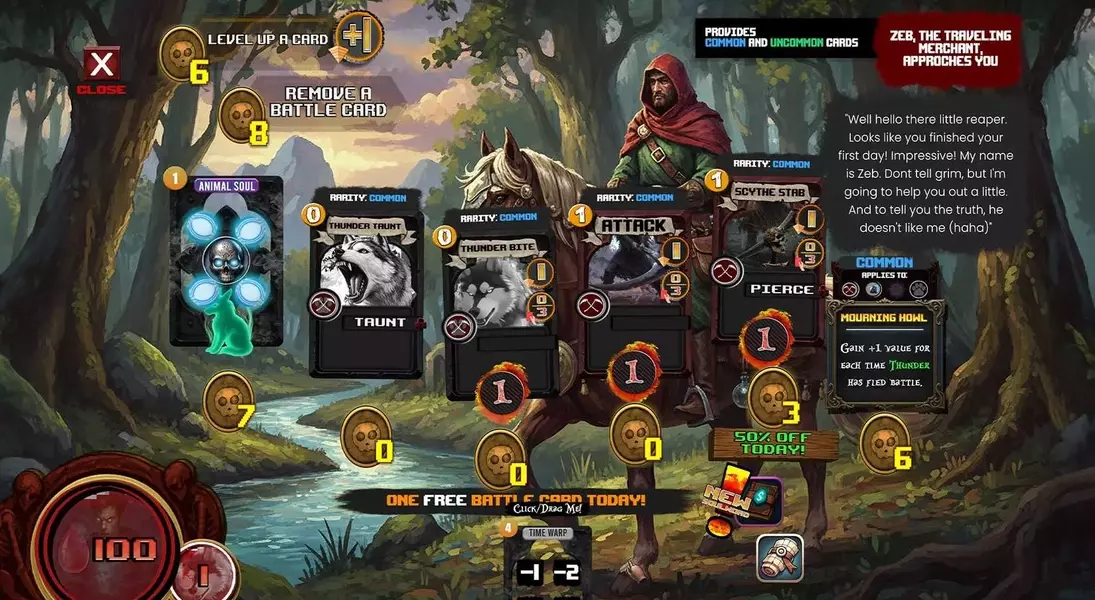
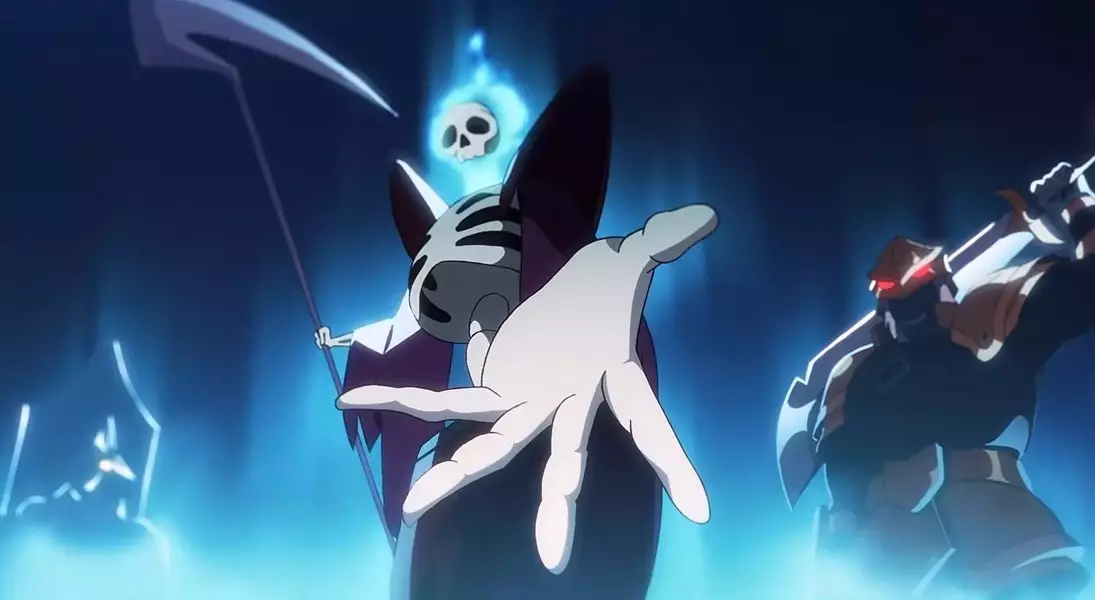
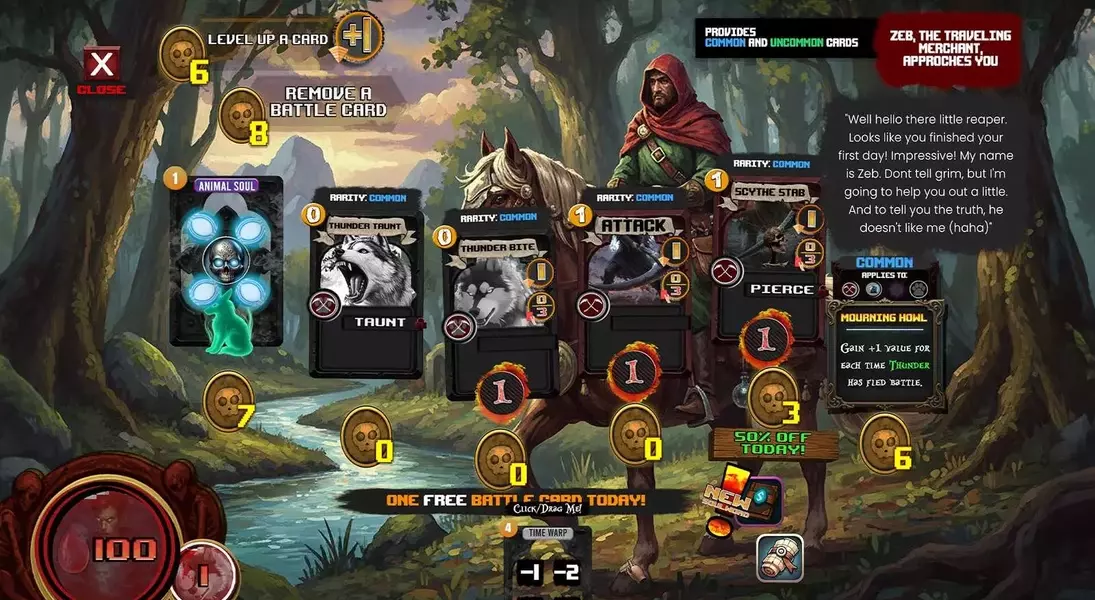
In stark contrast, "Grimslair," a deckbuilder from ThunderRam Studios, adopted a remarkably different stance. Despite the impending release of "Slay the Spire II" and the recent delay of "Handmancers," ThunderRam Studios decided to proceed with its scheduled March 6 launch. The developers articulated a bold commitment to their original release date, viewing it as an opportunity to launch their game with integrity and passion rather than succumbing to the pressure of a crowded calendar. This approach exemplifies a developer's conviction in their product and a willingness to face market challenges head-on.
The Legacy of Influential Titles and Their Impact on Release Schedules
The significant influence of iconic games like "Slay the Spire" extends beyond their direct sequels. Much like the anticipation surrounding "Hollow Knight: Silksong" and "Grand Theft Auto 6" has previously impacted release timelines across various genres, "Slay the Spire" has similarly shaped the release strategies within the roguelike deckbuilder niche. Its groundbreaking mechanics and widespread success have set a high bar, making studios cautious about launching comparable titles too closely to new entries in the franchise.
The Outcome of Courage: "Grimslair's" Path to Success
The unfolding narrative of "Grimslair's" defiant release presents an intriguing case study. The decision to launch alongside a highly anticipated sequel is a testament to the developers' resolve and belief in their game's unique appeal. While the success of such a venture remains to be seen, ThunderRam Studios' willingness to embrace the potential consequences underscores a spirit of independence and confidence that resonates deeply within the indie game development community.
