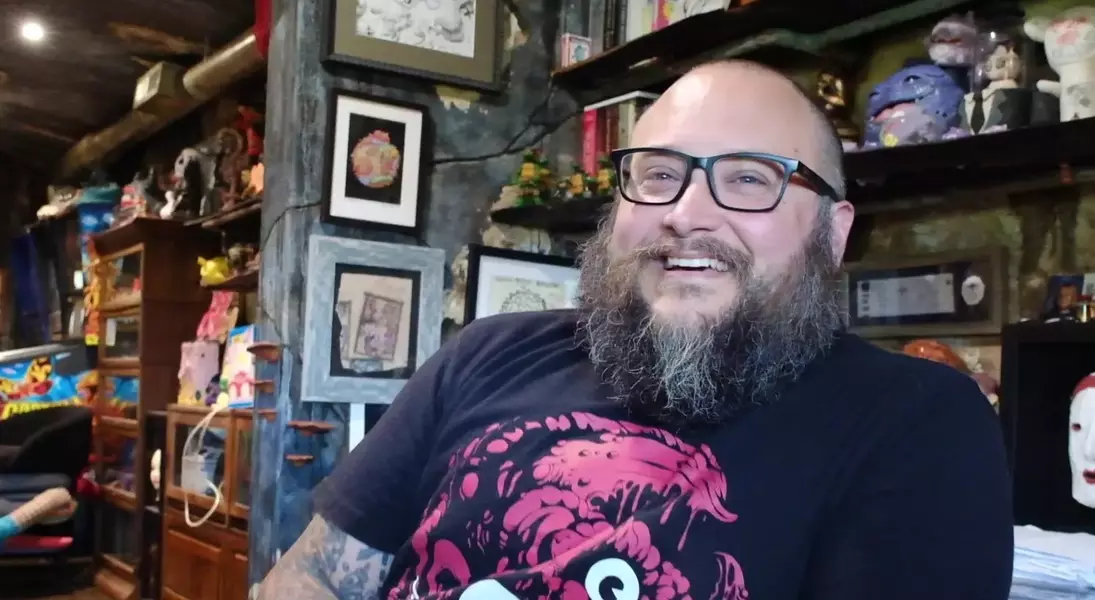
Edmund McMillen, co-creator of the roguelike game Mewgenics, has addressed the recent controversy surrounding the inclusion of certain internet personalities' voice cameos in the game. He acknowledges that some players are upset about the involvement of figures with differing or contentious views, but he maintains that these inclusions were made with a broader artistic vision in mind.
Mewgenics Developer Urges Players to Embrace Creative Discontent Amid Voice Cameo Debate
In a recent development, Edmund McMillen, the visionary behind the upcoming cat-breeding roguelike game Mewgenics, has spoken out regarding the unexpected backlash from players concerning the game's unique voice acting. Unlike traditional games, Mewgenics features human interpretations of cat meows, contributed by a diverse array of internet personalities. This creative choice, while initially intriguing, has sparked considerable debate among the gaming community, particularly on forums like ResetEra.
Specifically, the inclusion of Ethan Klein and Hila Klein of h3h3Productions has drawn criticism due to their public support for Israel. Hila Klein's past service in the Israel Defense Force and Ethan Klein's involvement in related public disputes have led some players to label their inclusion as "problematic." McMillen clarifies that many of these vocal contributions were recorded several years ago, long before some of these figures became subjects of widespread controversy. He noted that Matan Even, known for his appearance at The Game Awards, was also included without full awareness of his controversial status.
McMillen elaborated on his artistic rationale, explaining that he sought to incorporate a broad spectrum of recognizable internet voices. He intentionally included individuals with clashing ideologies, aiming for a sense of counterbalancing perspectives. For instance, the presence of Ethan and Hila Klein is juxtaposed with the contributions of iDubbz and Anisa, who are recognized for their pro-Palestine stances. McMillen emphasized that he facilitated communication between these individuals to ensure mutual comfort with their simultaneous inclusion, highlighting their professional and mature approach to the collaboration.
Despite the criticism, McMillen remains unperturbed, viewing the dissent as an interesting societal reflection. He humorously suggested that if players find a particular cat's meow — and by extension, its real-world contributor — disagreeable, they can creatively dispose of that cat within the game, aligning with the game's core mechanic of feline disposability. He urged his audience to develop more imaginative ways of expressing their "hate," implying that the game's mechanics offer a unique outlet for such sentiments rather than direct engagement with the political views of the voice actors. The full roster of these diverse voice talents can be found on Moby Games, promising a wide range of recognizable figures that are likely to evoke varied reactions from players.
This situation highlights the complexities developers face when integrating public figures into their projects, especially in an era where internet personalities often become embroiled in social and political discussions. McMillen's response, though perhaps unconventional, encourages a form of meta-commentary within the game itself, inviting players to consider the broader implications of digital representation and personal agency in a fictional world. It challenges players to look beyond mere personal preferences and engage with the game's narrative and mechanics as a means of processing real-world disagreements.
