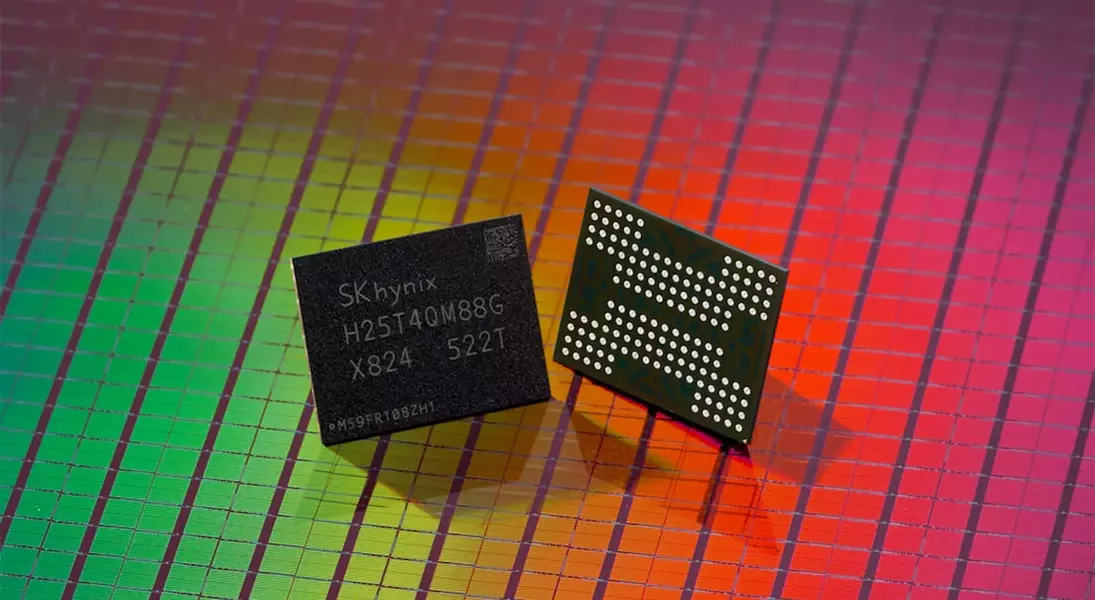
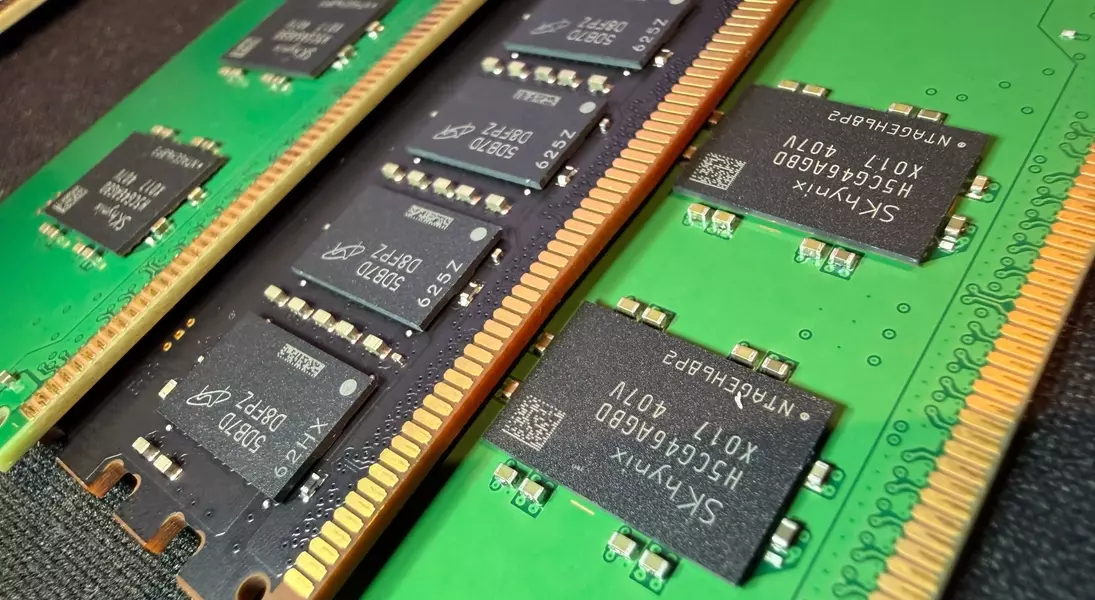
The tech industry is currently experiencing a profound memory shortage, with leading manufacturer SK Hynix struggling to keep up with overwhelming demand. This scarcity has created a challenging environment for businesses worldwide, particularly impacting those reliant on memory chips for their products.
Reports indicate that companies are actively seeking to secure memory supply from SK Hynix, even proposing to finance new equipment to increase production. However, despite these attractive offers, the available capacity remains virtually nonexistent. A source familiar with the situation highlighted that there is no spare capacity that can be allocated to specific customers, underscoring the severity of the supply crunch.
This critical shortage is not a new phenomenon, but it has been exacerbated by the rapid growth in artificial intelligence (AI) technologies, which require vast amounts of high-performance memory. Other major players in the memory market, such as Samsung and Micron, are also in discussions for multi-year contracts, but concrete details about these agreements are scarce.
Micron recently confirmed that demand significantly outstrips available supply for the foreseeable future, signaling that the memory crisis is unlikely to abate soon. The company plans to ramp up production at its new semiconductor facility in Tongluo, Taiwan, aiming for meaningful product shipments by 2028, but this long-term solution offers little immediate relief.
The repercussions of this scarcity are far-reaching. Companies involved in PC manufacturing and consumer electronics are feeling the strain. Wallace Santos, CEO of gaming PC builder Maingear, expressed deep concern, stating that he sees "no light at the end of the tunnel" and anticipates that some businesses may not survive the crisis. Similarly, Phison CEO Pua Khein-Seng predicted that many consumer electronics manufacturers might face bankruptcy or discontinue product lines by the end of 2026.
Even motherboard manufacturers, including industry giants like MSI, Gigabyte, Asus, and ASRock, have reportedly lowered their sales forecasts for the year. The pervasive impact of the memory shortage on various components is diminishing consumer enthusiasm for upgrading, further complicating the market dynamics.
The entire technology ecosystem eagerly awaits any potential relief. While SK Hynix's ability to accept new deals is limited, any increase in production capacity would be a welcome development. The hope is that increased supply can eventually meet the surging demand, mitigating the current crisis and restoring stability to the memory market.
