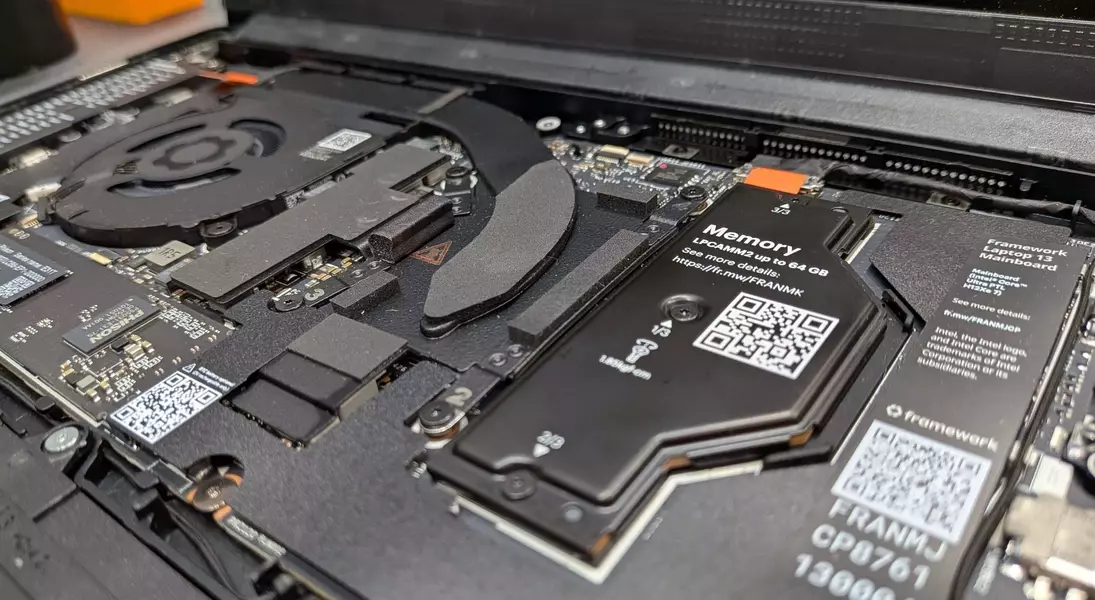
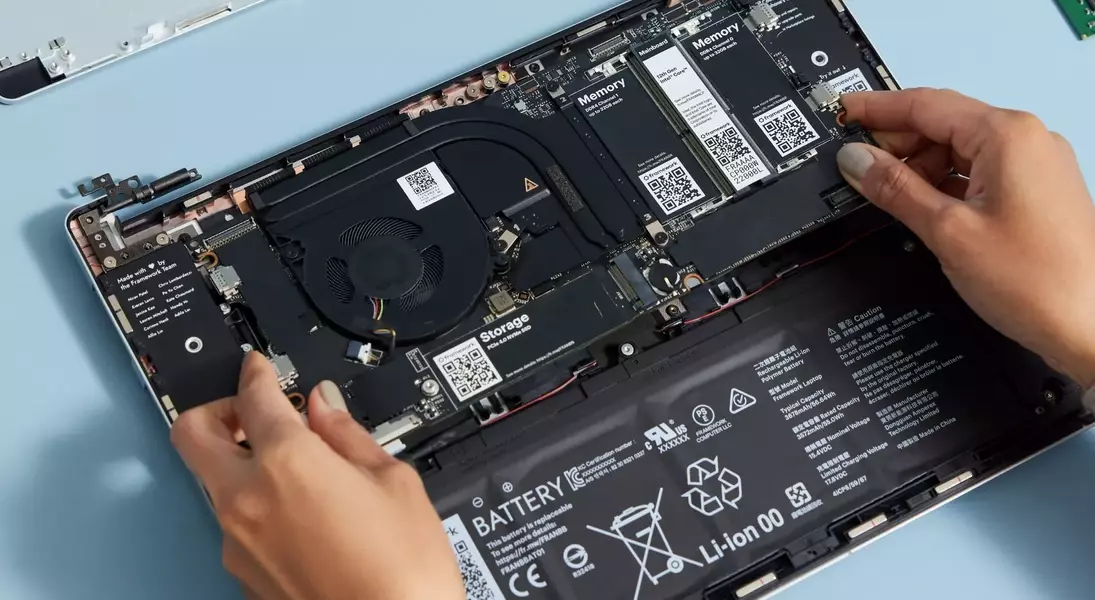
In recent months, Framework, a company renowned for its modular computing devices, has faced an escalating challenge regarding the cost of memory. While they previously managed to largely insulate consumers from rising RAM prices, the situation for storage components had already deteriorated. Now, memory, particularly LPCAMM2 modules, is also experiencing substantial cost surges.
Framework officially reported a dramatic increase in memory module prices from its primary supplier. The company emphasized that these new costs exceed all prior forecasts, making it financially unsustainable for them to absorb the difference without jeopardizing their core operations. Specifically, the price for LPCAMM2 modules has more than doubled compared to previous inventory shipments, a stark contrast to the low-to-mid double-digit percentage increase that had been anticipated from the second to third quarters.
This unforeseen price hike has necessitated adjustments to existing pre-orders. Framework outlined that any remaining 64 GB module stock would be prioritized for existing laptop and mainboard pre-orders. However, once this supply is depleted, subsequent orders will be reconfigured to utilize 32 GB modules at their original pricing. Similarly, pre-orders initially set for 32 GB modules will be fulfilled as long as stock allows, but some will ultimately be re-adjusted to include 16 GB modules at their original cost. Conversely, some positive developments were noted, with price reductions observed for 48 GB DDR5 modules and certain storage capacities like the SN850X 8TB and SN7100 1TB, while other storage variants, such as the SN850X 1TB and SN7100 4TB, saw price increases.
Despite these challenges, Framework is committed to honoring existing pre-order prices for customers, even if current market rates are higher. Furthermore, any pre-orders for components that have experienced price reductions will automatically benefit from the lower cost. This approach underscores Framework's dedication to mitigating the negative impact on its customer base. However, as a smaller device manufacturer, Framework is inherently more susceptible to volatile memory costs compared to industry giants with greater purchasing power, such as Lenovo or Dell. The company’s transparency in providing these regular updates offers valuable insights into how the fluctuating global memory market directly affects consumers and the broader technology sector, even if the overall trend presents a somewhat grim picture. The potential rise of Chinese memory production offers a glimmer of hope for future price stabilization, though such optimism might be considered somewhat naive given the current climate.
