In an era where the gaming industry constantly seeks novelty, Nintendo's strategy of reintroducing its classic titles through remakes has sparked considerable debate. While some gamers question the reliance on past successes, figures like Shigeru Miyamoto argue that this approach serves a crucial purpose: bridging generational gaps and fostering future innovation within the company's vast library.
Nintendo's Remake Philosophy: A New Horizon for Classics
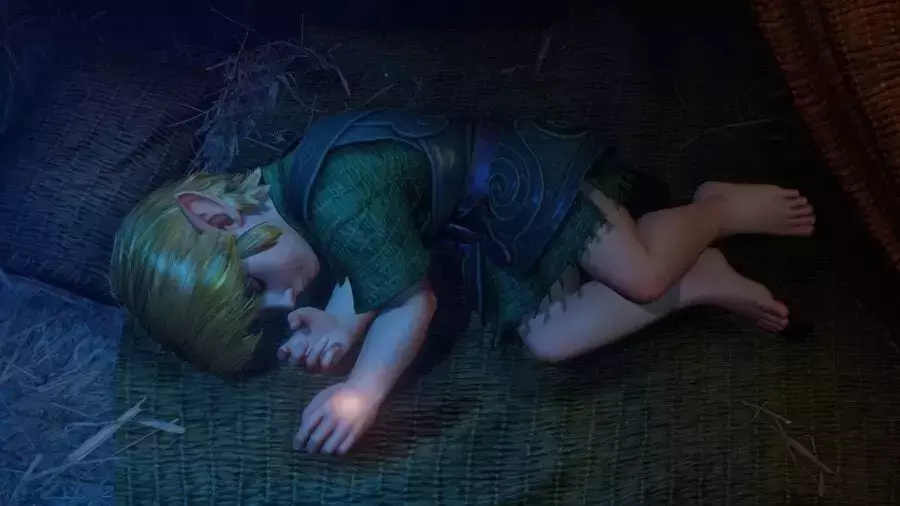
During a recent interview with Famitsu, a renowned Japanese gaming publication, Shigeru Miyamoto, a legendary figure at Nintendo, articulated a clear rationale behind the company's continued production of game remakes. He highlighted that these revitalized versions provide a valuable opportunity for a new generation of players, who might not have access to or awareness of older titles, to engage with foundational works from Nintendo's history. For instance, the recent 'Star Fox' remake and the eagerly anticipated 'The Legend of Zelda: Ocarina of Time' illustrate this commitment to bringing classics to contemporary platforms.
Miyamoto posited that revisiting and updating older games is not merely about nostalgia or maximizing existing intellectual property. Instead, he sees it as a fertile ground for cultivating new ideas and future game concepts. The critical reception of titles like the 'Star Fox' remake, which garnered a 9/10 review from Nintendo Life for its outstanding production quality and enduring gameplay, suggests that this strategy resonates with audiences and critics alike. The hope is that the success of these remakes will pave the way for entirely new installments in beloved series.
Nintendo's 2026 release schedule, featuring a blend of fresh titles such as 'Splatoon Raiders,' 'Rhythm Heaven Groove,' and 'Pokémon Pokopia,' alongside remakes, demonstrates a balanced approach. This careful equilibrium aims to satisfy both long-time fans eager for refreshed classics and newer players seeking innovative experiences. While discussions continue regarding the optimal mix of new versus remade content, Nintendo appears confident in its dual strategy, ensuring its rich gaming heritage remains accessible and inspiring for years to come.
From a journalist's perspective, Miyamoto's defense offers a compelling insight into Nintendo's long-term vision. It suggests a strategic understanding that while innovation is vital, preserving and recontextualizing the classics can be equally important for an industry built on legacies. The debate between entirely new IPs and remakes will likely continue, but Nintendo's approach, as articulated by Miyamoto, attempts to harmonize these two seemingly opposing forces, ensuring both continuity and evolution within its gaming universe. This strategy could be seen as a blueprint for other developers grappling with their own extensive catalogs.
